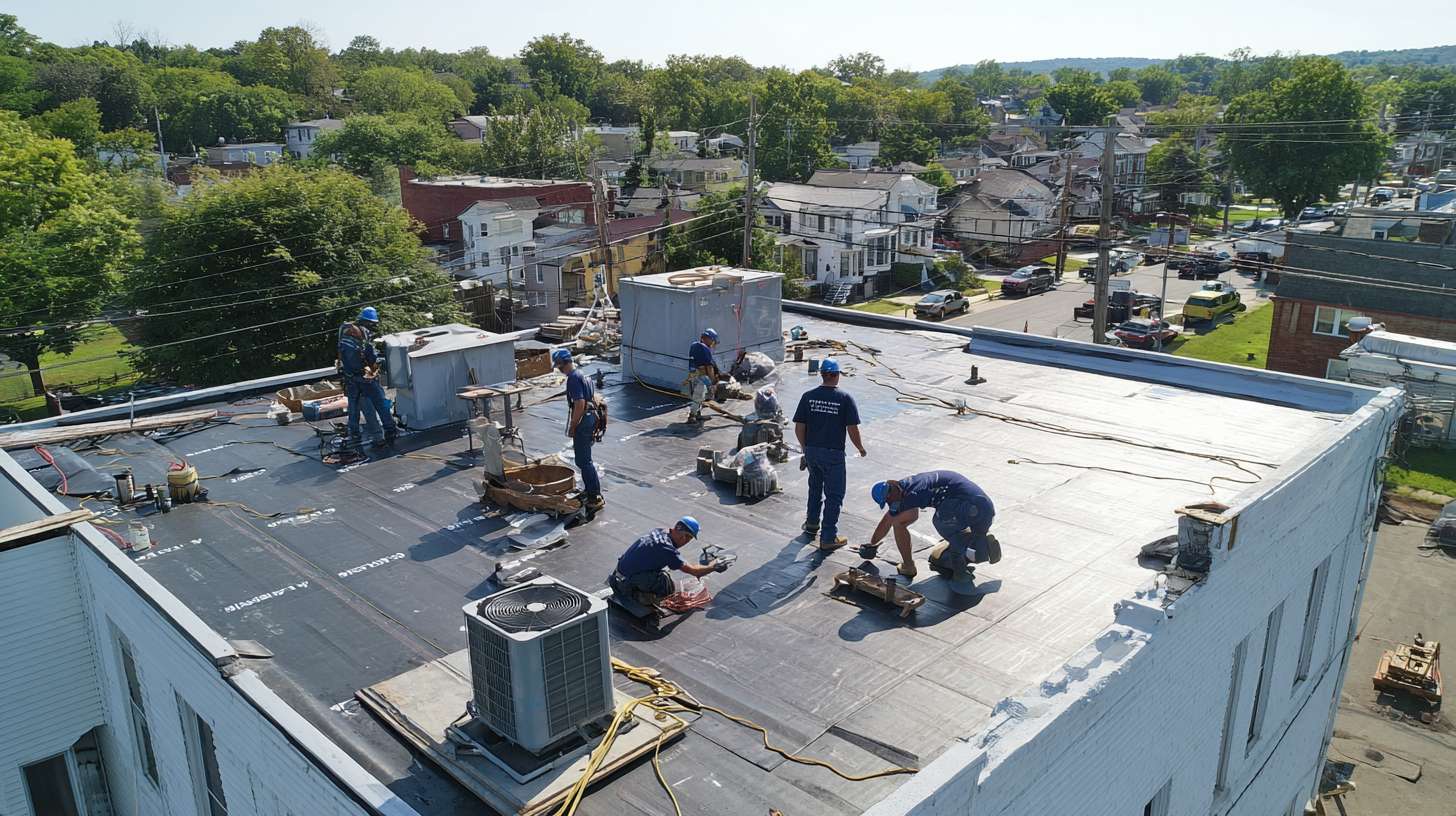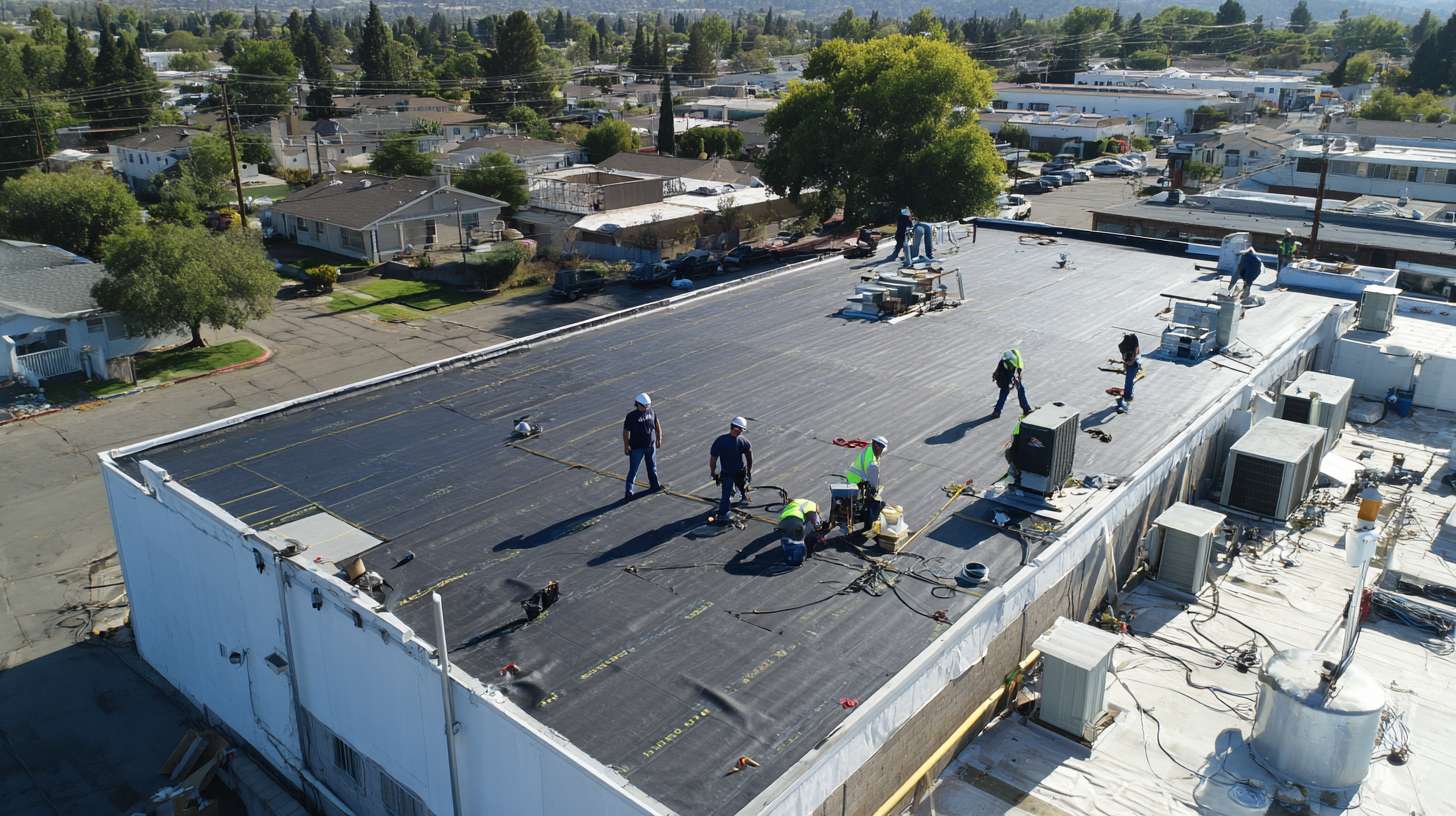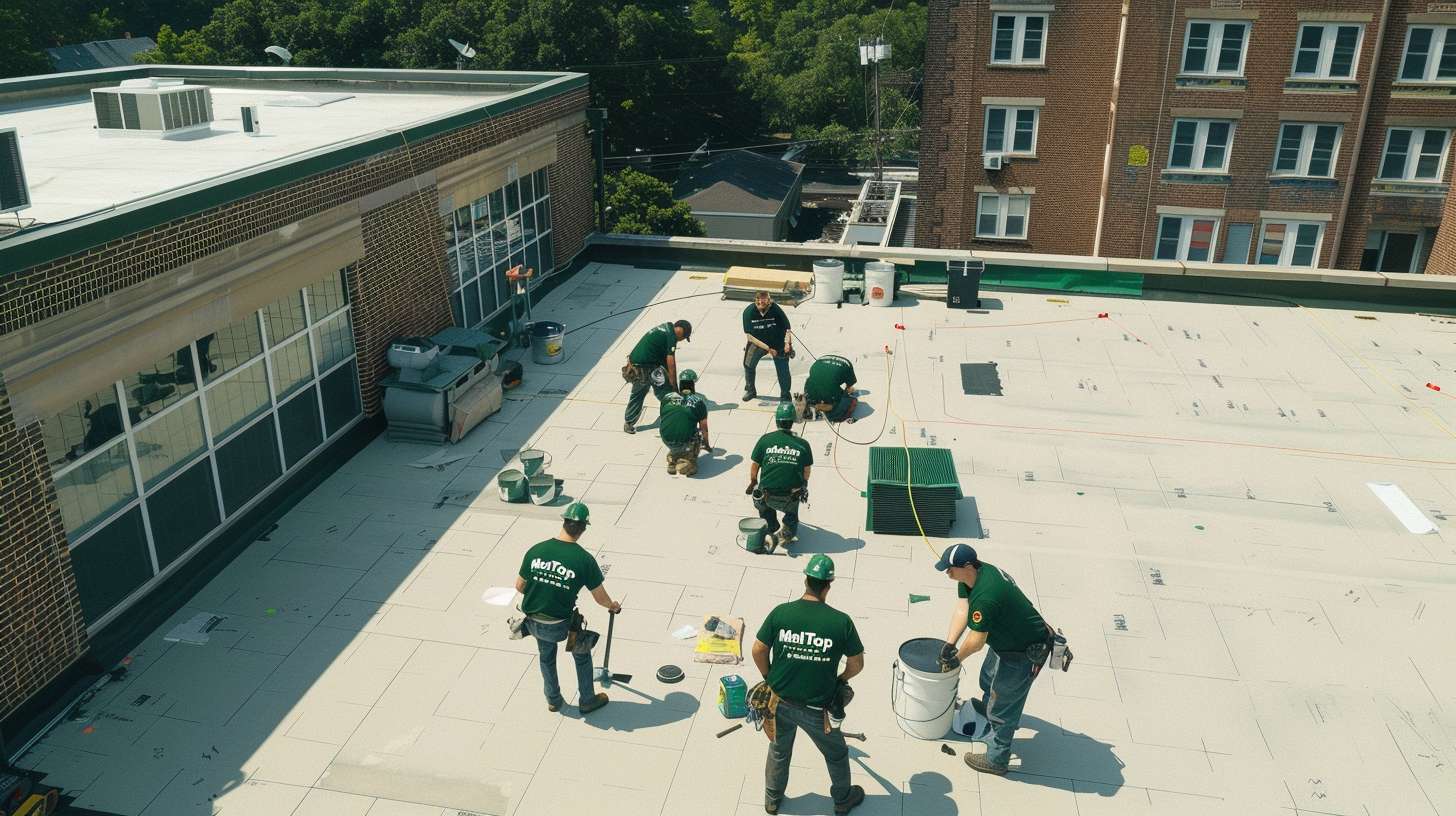
What’s the Average Cost of Flat Roof Extension in Nassau County?
The flat roof portion of a typical single-story extension in Nassau County runs $18 to $34 per square foot, which means that the roof on a 12′ × 18′ kitchen or family-room addition-216 square feet-costs between $3,888 and $7,344 installed. That number is useful for setting your extension budget, but what really matters is understanding the five or six decisions that push you toward the low end (code-minimum, short-term thinking) or the high end (smart spec that keeps the new room comfortable and leak-free for decades). Let’s unpack exactly where your money goes and which upgrades are worth it.
What Makes Up the Flat Roof Extension Cost Line on Your Quote?
When you get a proposal for an extension, the flat roof section isn’t just “one membrane on top.” It’s a layered system, and each layer costs money. Here’s the typical breakdown for a 216-square-foot extension roof in Nassau County:
- Structure and decking (joists, plywood or OSB): $6-9/sq ft
- Tapered insulation package to create slope and meet R-value: $4-8/sq ft
- Membrane system (EPDM, TPO, or modified bitumen): $3.50-7/sq ft
- Flashings, parapet cap, and metal trim: $2-4/sq ft
- Skylights, roof lanterns, or glazing (if included): $800-3,200 each
- New gutters and downspouts for the extension: $18-28/linear foot
Add it up and a straightforward 12′ × 18′ flat roof-warm deck build-up, single-ply TPO, code insulation, basic perimeter flashing, no skylights-lands around $4,800 to $5,600 installed. Bump the insulation to R-30 (smart for Nassau winters), add a powder-coated aluminum coping detail instead of builder-grade drip edge, and include one 4′ × 4′ fixed skylight, and you’re looking at $6,800 to $7,300 for the same footprint. That’s the difference between minimum-that-passes-inspection and smart-spend.
Roof Size and Footprint: The Biggest Driver
Obviously, a bigger extension means more roof area and a higher total. But the per-square-foot price also shifts with size because certain fixed costs-tie-in flashing to the existing house, new gutter runs, permits-spread more efficiently over larger projects. On a very small bump-out-say an 8′ × 10′ powder room-you might pay $28 to $34 per square foot because the percentage of edge detail and flashing is huge relative to field area. Scale up to a 16′ × 24′ family room, and the cost typically drops to $19 to $25 per square foot because you’re covering more roof with proportionally less perimeter trim.
I priced a 10′ × 14′ rear extension in Garden City last spring-140 square feet-and the flat roof came to $4,620 installed, or $33/sq ft. Compare that to a 14′ × 20′ kitchen extension in Wantagh (280 sq ft) where the roof was $5,880, or $21/sq ft. Both were TPO, code insulation, no skylights. The smaller job carried a higher unit cost because the tie-in flashing, the one parapet wall, and the gutter run were nearly the same labor whether we covered 140 or 280 square feet.
Insulation Level: Code Minimum Versus Comfort
Nassau County follows New York State energy code, which currently requires a minimum R-30 for roof assemblies on heated spaces. You can hit R-30 with about 5 inches of polyisocyanurate insulation board-rigid foam panels that also create the tapered slope for drainage. That’s the baseline. Budget roughly $4 to $5 per square foot for a code-minimum tapered insulation package (materials and install).
But here’s the insider piece: R-30 is the floor, not the ceiling. If your extension is directly under the flat roof-no attic cavity-every winter you’ll feel the difference between R-30 and R-40 or R-50. I always show clients two insulation options: the code minimum and a “comfort upgrade” to R-40 or R-49 using thicker tapered ISO or a hybrid of rigid foam plus spray foam at the perimeter. That upgrade typically adds $3 to $4 per square foot to the roof cost, so for our 216-square-foot example, you’re looking at an extra $650 to $860. It pays back in lower heating bills and a more even room temperature, especially if you’re building a home office or family room that gets used all winter.
One more thing about insulation: if you’re doing a warm roof build-up-insulation above the deck, which is standard for flat roof extensions-the entire assembly sits outside the structural deck, so there’s no condensation risk. You can push R-value as high as budget allows without worrying about dew point. That’s different from a vaulted ceiling where you have to balance inside and outside layers. On a flat roof extension, more insulation is always better, and the only trade-off is upfront cost.
Membrane Choice: EPDM, TPO, or Modified Bitumen
The waterproof skin on top-the membrane-has three common options for residential extensions in Nassau County, and each comes with a different price point and lifespan.
EPDM (rubber membrane): The budget-friendly standard. Black, durable, proven track record. Fully adhered or mechanically fastened. Installed cost runs $3.50 to $5 per square foot for the membrane layer alone (not counting insulation or structure). Expect 20 to 25 years of service life if seams are done right and the roof is inspected every few years. EPDM is still a solid choice for a straightforward extension with no foot traffic and no skylights.
TPO (thermoplastic polyolefin): White or tan, heat-welded seams, slightly higher upfront cost but better reflectivity and longer warranty coverage. Installed cost is $4.50 to $7 per square foot for the membrane. TPO has become the go-to for new extensions because it reflects summer sun (cooler room, lower AC load) and the welded seams are more reliable than glued EPDM joints. I specify TPO on probably 70 percent of the flat roof extensions we price now.
Modified bitumen: Two-ply torch-down or cold-applied system, typically tan or gray granule surface. Installed cost is $5 to $8 per square foot for the membrane. Modified bitumen is tougher underfoot if you plan to use the roof as a deck or need to access HVAC equipment regularly. It’s overkill for a typical family-room extension, but if you’re adding a flat roof over a garage and want to walk on it occasionally, mod-bit makes sense.
On a 216-square-foot extension, switching from EPDM to TPO adds roughly $215 to $430 to the total flat roof cost. For a room that’s part of your everyday living space, I think the reflectivity and seam durability of TPO are worth the bump. But if budget is tight and the extension is a mudroom or back entry, EPDM is perfectly fine.
Drainage and Slope: Tapered Systems Versus Joisted Pitch
Flat roofs aren’t actually flat-they need at least ¼” per foot of slope so water doesn’t pond. You can achieve that slope two ways, and the method affects cost.
Tapered insulation: The most common approach on modern extensions. You buy insulation boards that are pre-cut with varying thickness (crickets and slopes designed by the manufacturer), and when installed they create the drainage plane automatically. The insulation does double duty-thermal performance and slope. Tapered systems cost $4 to $6 per square foot more than flat insulation, but you avoid the carpentry labor of pitching the joists, and the result is clean and predictable.
Sloped framing: The old-school method. The carpenter builds the joist system with a built-in pitch-maybe ¼” per foot running toward one edge or toward an internal drain. Then you lay flat insulation on top. This saves money on insulation but adds framing labor. Total cost is usually a wash, maybe $1 to $2 per square foot cheaper than tapered ISO, but you have less control over drainage patterns, and if the carpenter gets the slope wrong, you’re stuck with ponding.
I almost always specify tapered insulation on Nassau County extensions. The precision is worth it, especially when you’re tying into an existing house and dealing with window head heights, door thresholds, and ceiling planes that don’t give you much room for trial and error. A tapered package shows up on a pallet, labeled “A1, B2, C3,” and the roofer follows the layout plan. Done.
Skylights and Roof Lanterns: Light and Cost
Natural light transforms an extension. A flat roof without any glazing can feel like a cave, especially if one or two walls are interior (sharing walls with the existing house). Adding a skylight or roof lantern costs money upfront but makes the new space usable and pleasant.
Fixed flat skylight (no-opening): A simple double-glazed fixed unit, 2′ × 4′ or 4′ × 4′, with a factory curb and flashing kit. Installed cost runs $800 to $1,400 per unit, including the curb, flashing, and integration into the roof membrane. This is the budget option for bringing in daylight.
Venting skylight: Same idea but the unit opens (manual crank or electric motor) for ventilation. Installed cost is $1,200 to $2,200 per unit. Worth it if the extension is a kitchen or bathroom where you want the option to vent steam or cooking odors without running a fan.
Roof lantern: A raised glazed structure-essentially a mini pyramid or ridge skylight-that sits above the roof plane. These became popular in the UK and have crossed the Atlantic. A small lantern (3′ × 5′) costs $2,400 to $4,000 installed, including the aluminum frame, double glazing, structural curb, and all flashings. Lanterns flood the room with light from multiple angles and add architectural interest, but they’re a premium feature.
On a 12′ × 18′ kitchen extension in Merrick, we included two 4′ × 4′ fixed skylights and the total flat roof cost jumped from $5,200 (no skylights) to $7,600 (with skylights). The homeowner said afterward it was the best money they spent on the whole project-the kitchen went from dim to bright, and they rarely turn on lights during the day.
Parapet Walls and Edge Details
How your flat roof meets the sky-or meets the existing house-has a big impact on long-term performance and cost. If the extension has a parapet (a short wall that extends above the roof surface), you need coping and counterflashing. If it has an open eave, you need a drip edge and fascia. Each option costs differently.
Parapet with aluminum coping: The membrane runs up the inside face of the parapet, over the top, and then a custom-bent aluminum cap (coping) covers the wall top and sheds water outward. This is the cleanest, most durable detail. Material and labor for powder-coated aluminum coping run $28 to $45 per linear foot. For a 12′ × 18′ extension with three parapet sides (the fourth side ties into the house), you have 42 linear feet of coping-call it $1,180 to $1,890 just for that metal trim. But it’s worth every dollar. A well-installed coping lasts 30+ years and prevents the number-one leak point on flat roofs: the top of the wall.
Drip edge and fascia: If the design has no parapet-roof membrane runs to the edge and over a cant strip, then terminates at a drip edge-the metal cost is lower, around $12 to $20 per linear foot. But you lose the visual weight of a parapet, and the roof edge is more exposed to wind and ice. I usually recommend a small parapet (12″ to 18″ high) for any heated extension in Nassau County. The extra $800 to $1,200 in coping cost is cheap insurance.
Tie-In to the Existing House
Where the new flat roof meets the existing house wall is critical. You need a two-part flashing system-base flashing (membrane or metal turned up the wall) and counterflashing (metal embedded into or surface-mounted over the siding or brick)-to keep water from running down the wall and under the new roof.
If the existing house has vinyl siding, the roofer can usually remove a course of siding, install through-wall counterflashing, and reinstall the siding. Labor for a tie-in wall runs $18 to $28 per linear foot. If the house is brick, the counterflashing has to be cut into a mortar joint (reglet) or surface-mounted with sealant. Cutting a reglet adds $8 to $12 per linear foot because it’s masonry work. For a typical extension with a 12-foot tie-in wall, budget $220 to $480 for that flashing detail alone.
One project in Massapequa last fall: the homeowner added a 14′ × 20′ flat roof extension to the back of a 1960s brick ranch. The rear wall was full brick, no ledger access, so we had to cut a reglet 14 feet wide and install copper counterflashing. That piece of the job cost $420 (materials and mason time). Not huge, but it’s an example of how existing-house conditions affect the flat roof cost even though that work happens at the wall, not on the roof surface.
Sample Flat Roof Extension Cost Scenarios
| Extension Size | Spec Summary | Flat Roof Cost | Per Sq Ft |
|---|---|---|---|
| 10′ × 12′ (120 sq ft) | EPDM, R-30 tapered ISO, basic drip edge, no skylights | $3,240-3,960 | $27-33 |
| 12′ × 18′ (216 sq ft) | TPO, R-30 tapered ISO, aluminum coping, one 4×4 skylight | $5,400-7,100 | $25-33 |
| 14′ × 20′ (280 sq ft) | TPO, R-40 tapered ISO, aluminum coping, two venting skylights | $7,200-9,520 | $26-34 |
| 16′ × 24′ (384 sq ft) | TPO, R-30 tapered ISO, aluminum coping, roof lantern, brick tie-in | $9,600-12,480 | $25-32.50 |
These numbers include all flat roof components-structure, insulation, membrane, metal, skylights/lanterns, and tie-in flashing-but do not include foundation, walls, windows, doors, interior finishes, or mechanical/electrical rough-in. The flat roof is typically 15 to 22 percent of the total extension budget.
Where to Spend and Where to Save
After pricing hundreds of extensions, here’s my two-tier recommendation for Nassau County homeowners:
Minimum that passes code: EPDM membrane, R-30 tapered insulation, powder-coated aluminum drip edge (no parapet), basic through-wall flashing, no skylights. This gets you a watertight, code-compliant flat roof for $18 to $22 per square foot. It’s fine for a garage extension, workshop, or mudroom where you’re not spending a lot of time and energy bills aren’t a big concern.
Smart spend: TPO membrane (white, welded seams), R-40 tapered insulation, 12″ parapet with powder-coated aluminum coping on three sides, reglet counterflashing at the house tie-in, and at least one skylight or small roof lantern. Total cost $26 to $34 per square foot. This spec keeps the room comfortable year-round, minimizes long-term maintenance, and floods the space with natural light. If the extension is a kitchen, family room, home office, or primary suite, this is the tier I recommend to every client.
The upgrades that matter most, in order: (1) bump insulation from R-30 to R-40 or R-49, (2) add at least one skylight, (3) spec TPO instead of EPDM, (4) include a parapet with proper coping. Those four moves add roughly $2,400 to $3,200 to the flat roof cost on a typical 216-square-foot extension, and they deliver measurable comfort, energy savings, and resale value.
Permits, Engineering, and Hidden Costs
Don’t forget that a flat roof extension isn’t just roofing-it’s a structural addition to your house, and Nassau County requires a building permit, stamped drawings, and inspections. The permit and engineering package for a single-story extension typically costs $1,800 to $3,500, depending on size and complexity. That’s separate from the flat roof installation cost but part of your total extension budget.
Some towns in Nassau also have zoning setback rules that affect how close you can build to the property line, and if your extension needs a variance, add legal and application fees-another $1,200 to $2,800. These aren’t roof costs, but they’re real money that comes out of the same pot, so factor them in when you’re deciding whether to upgrade the insulation or add a second skylight.
Working with Platinum Flat Roofing
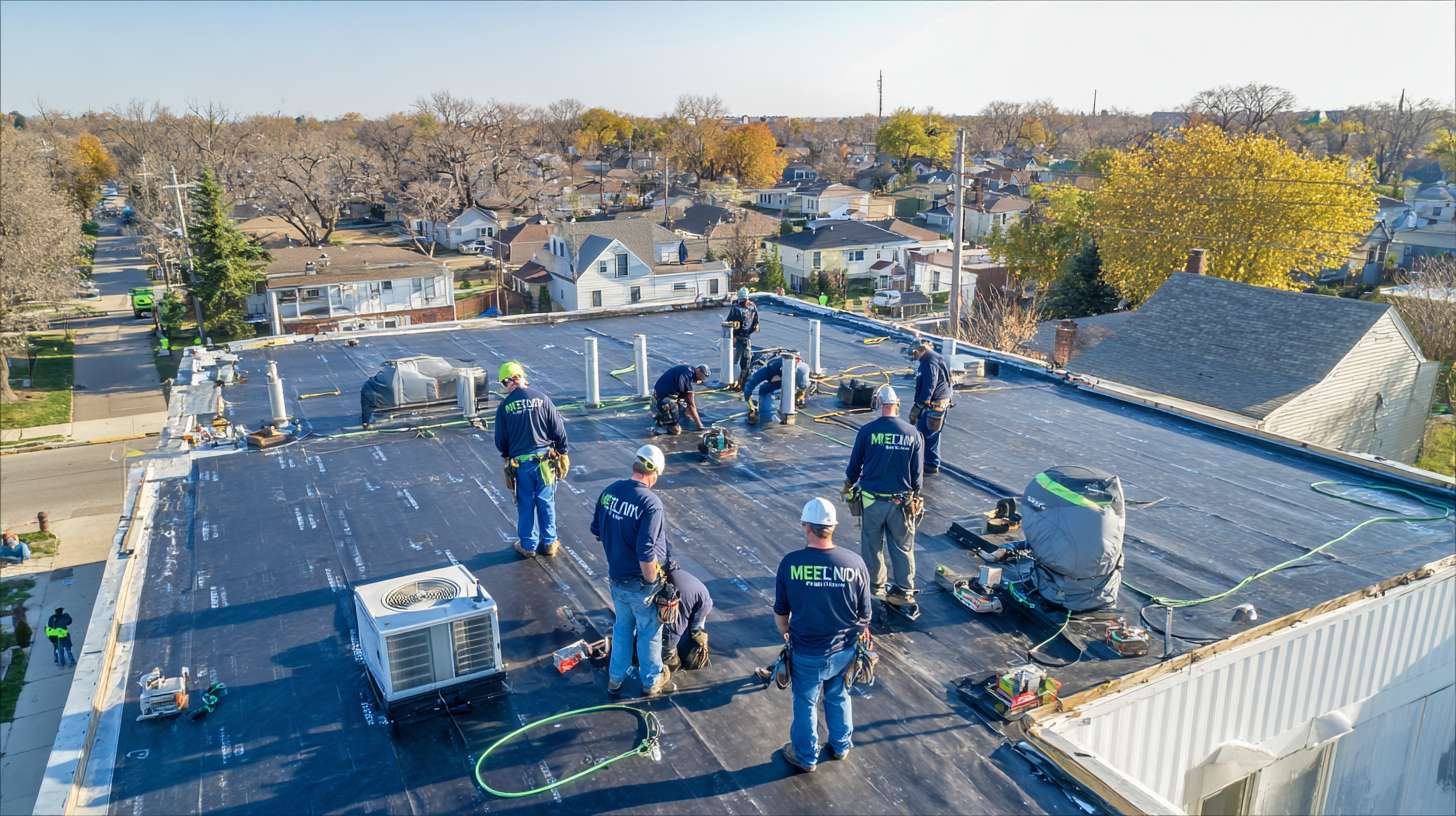
At Platinum Flat Roofing, we handle flat roof extensions across Nassau County every month-from small bump-outs in Baldwin and Bellmore to large open-plan kitchen additions in Manhasset and Roslyn. We price every job with two options: the code-minimum spec and the smart-spend spec, so you can see exactly what each upgrade costs and make an informed decision. Our estimators sit down with your architect or builder, review the plans, and break out the flat roof cost line by line-structure, insulation, membrane, metal, skylights, tie-in flashing-so there are no surprises when the invoice comes.
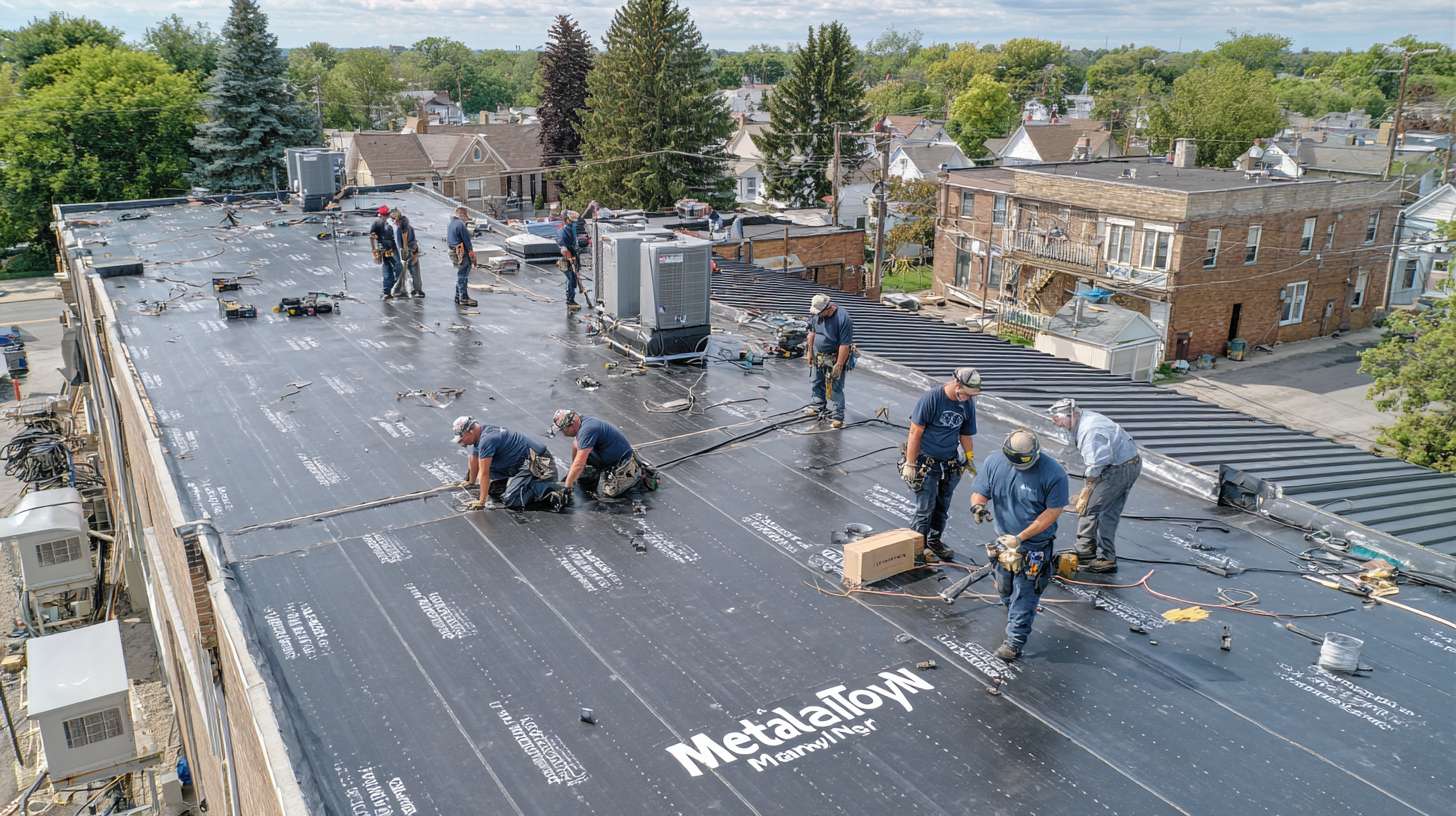
We also coordinate timing with your general contractor. Flat roof work on an extension happens after framing and sheathing but before interior insulation and drywall, so scheduling matters. We’ll lock in a two- to three-day window, show up with materials staged, install the tapered insulation and membrane, flash all penetrations and edges, and leave you with a watertight roof ready for the next trade. Then we come back at the end for final gutters and touch-up once siding and trim are complete.
If you’re planning a flat roof extension in Nassau County and want a detailed, line-item estimate that shows where your money goes and which upgrades make sense for your project, reach out to Platinum Flat Roofing. We’ll walk the site, measure the footprint, discuss insulation and skylight options, and deliver a proposal that gives you both the “minimum that works” and the “spec we’d build on our own house.” Because the best flat roof extension isn’t the cheapest or the most expensive-it’s the one that fits your budget, meets your needs, and performs flawlessly for the next 25 years.