Expert Repairing Felt Flat Roof Leaks in Nassau County, NY
Repairing a leaking flat felt roof in Nassau County typically costs between $425 and $1,850 depending on the size of the damaged area, the age of the felt system, and whether you need a simple patch or a reinforced overlay. But here’s the mistake I see every winter: homeowners grab a tub of wet patch from the hardware store, slather it across a crack during a January thaw, and think they’ve solved the problem. Two freeze-thaw cycles later, that patch has curled off like a potato chip, water is now trapped under the felt, and what could have been a $600 torch-on repair now requires a $1,400 section replacement because the deck underneath has started to delaminate. After 27 years working on torch-on and built-up felt roofs across Nassau County, I can tell you this: the wrong DIY patch in our climate doesn’t just fail-it often makes the eventual professional repair more difficult and more expensive.
The biggest problem homeowners face with a leaking flat felt roof isn’t the leak itself. It’s not knowing whether they’re dealing with one fixable problem spot, or whether the entire felt system is at the end of its serviceable life and every “repair” is just postponing the inevitable. I’ve walked onto roofs in Baldwin and Merrick that have six different layers of patch-cold cement, aluminum coating, fiberglass mesh, rubberized paint-and underneath it all, the original felt is so brittle it crumbles when you press it. At that point, we’re not repairing a roof; we’re managing a countdown.
Finding the Real Source of Your Felt Roof Leak
On a 20-year-old felt roof over a Merrick garage last fall, the homeowner called me because water was dripping near the back corner every time it rained. He’d already patched three different spots where he saw cracks, but the drip kept coming. When I got up there, the actual leak was eight feet away-at a seam where two felt sheets overlapped. Water was running sideways under the top layer, traveling along the deck, then dropping through a nail hole nowhere near the entry point. That’s the first thing you need to understand about how to repair a leaking flat felt roof: the drip inside is rarely directly below the leak outside.
Here’s my inspection sequence for locating felt roof leaks in Nassau County:
- Start at the highest point and work down-water always enters above where it exits, and on a low-slope felt roof it can travel 10 to 15 feet before finding a way through
- Look for compromised seams first-the overlaps between felt sheets are the most common failure points, especially on roofs older than 15 years where the adhesive or torch bond has weakened
- Check every flashing and penetration-chimneys, vents, roof edges, and wall transitions are where felt systems leak most often, not in the middle of an open field
- Press the felt surface gently-soft spots, spongy areas, or sections that move independently indicate water has gotten under the felt and damaged the deck or insulation below
- Use a hose test carefully-on suspect seams or flashings, run water slowly and methodically while someone watches inside; flooding the whole roof just confuses things
The other technique I use on older felt roofs is looking for “pathways.” If I find one leak source, I trace that same condition across the rest of the roof. For example, if the south-facing seam at the garage edge has failed, I immediately check every other south-facing seam, because they’ve all experienced the same UV exposure and thermal cycling. Nine times out of ten, if one seam is leaking, two or three others are about six months behind it.
Assessing Whether Your Felt Roof Is Worth Repairing
This is where honest triage matters. I’ve been on roofs in Valley Stream where the felt is so far gone that any repair I make is purely temporary-a way to buy six months or a year until the homeowner can budget for replacement. And I tell them that upfront. Here’s the decision framework I use:
Good candidates for repair (5+ year life expectancy): Felt roofs under 12 years old with localized damage-a torn seam from a falling branch, a blister from trapped moisture, a failed flashing detail. The surrounding felt is still pliable, the surface granules are intact, and there’s no widespread alligatoring or cracking. When you press on the roof, it feels solid, not spongy. These roofs can be reliably patched with torch-on repairs or reinforced liquid systems, and if done correctly, those repairs will outlast the original felt in that spot.
Marginal candidates (2-3 year repair life): Felt roofs 15 to 20 years old showing moderate aging-some surface cracking, granule loss in high-traffic areas, maybe one or two previous patches that are holding. The leak is clear and contained, not diffuse. For these roofs, I’ll do a sectional repair (replace a 4×8 or 6×10 area with new torch-on felt) rather than just patching, because the surrounding material is fragile enough that a small patch often just shifts the stress to the next weak spot. Homeowners need to know they’re buying time, not solving the problem permanently.
Poor candidates (stop throwing money at it): Felt roofs over 20 years old, or any age roof where the felt has gone brittle and crumbly across most of the surface. If I can peel up an edge and it tears like paper, if there are multiple existing patches that have already failed, if there’s widespread ponding and the insulation below is compressed and wet-that roof is done. I’ll still patch it if the homeowner needs six months to plan and budget, but I’m very clear: this is a band-aid, and the leak will probably come back in a different spot before the year is out.
How to Repair a Leaking Flat Felt Roof: Patch Methods That Actually Work
The right repair method depends entirely on what type of damage you’re fixing and the condition of the surrounding felt. Cold patch and wet patch have their place-extremely limited, short-term emergency situations-but they are not reliable repairs in Nassau County’s freeze-thaw climate. Here are the methods I actually use:
Torch-On Felt Patches for Tears, Punctures, and Localized Damage
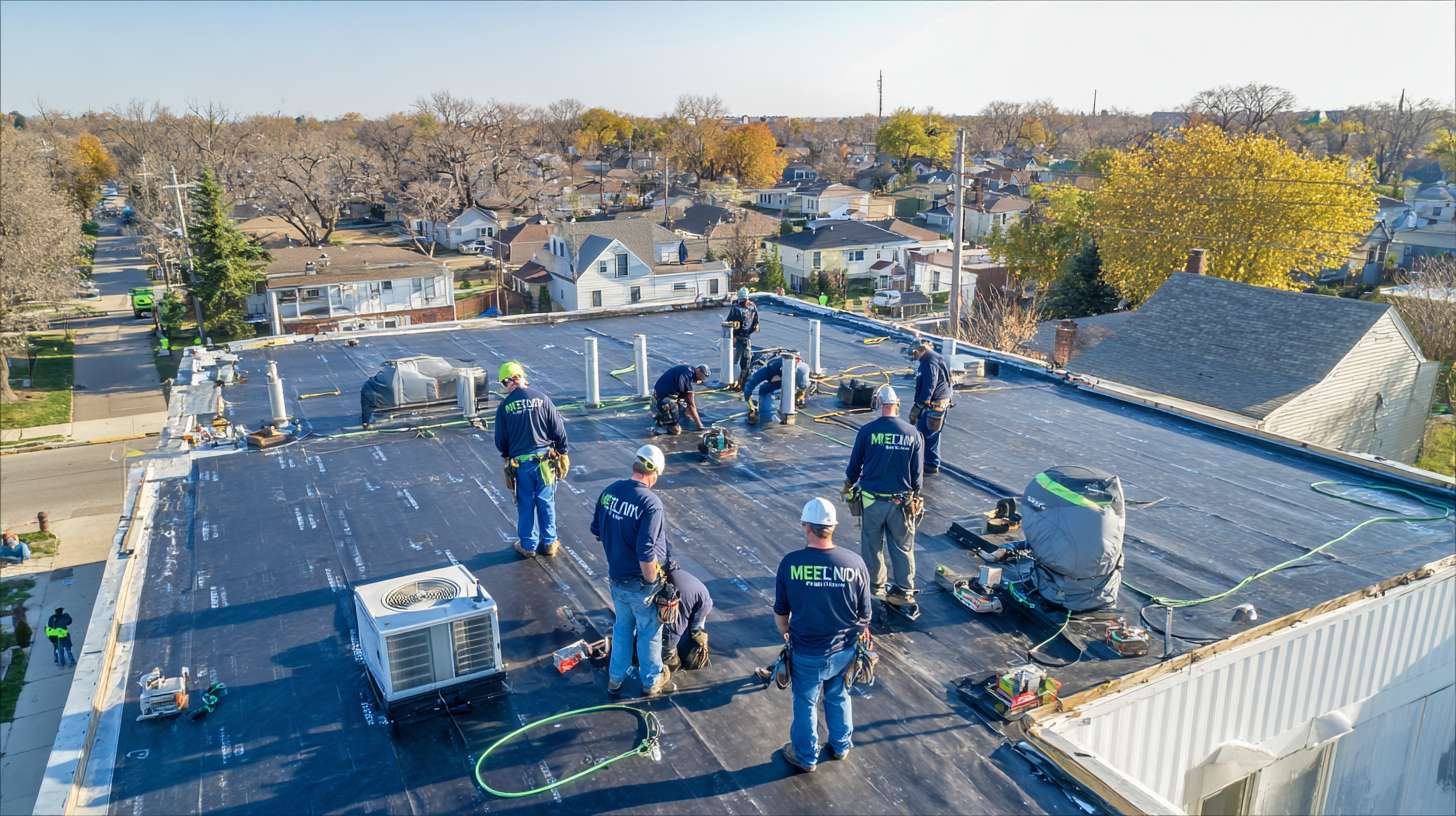
This is my go-to method for repairing a single damaged area on an otherwise healthy felt roof. I cut out the damaged section (usually a rectangle about 12 inches beyond the visible damage in all directions), prep the deck, and torch down a new piece of modified bitumen felt with at least 4 inches of overlap on all sides. The torch melts the bitumen on the underside of the new felt and fuses it to the old felt and deck below, creating a waterproof bond that’s actually stronger than the original installation if done correctly.
On a cracked felt roof over a Valley Stream porch last spring-where a heavy branch had torn a 2-foot gash-this method gave us a repair that’s now 18 months old with zero issues. The key is surface prep: the existing felt around the patch area has to be absolutely clean and dry, and I mean bone-dry. If there’s any moisture in the felt or deck, the torch won’t bond properly and you’ll have a patch that looks good for three months, then lifts at the edges and lets water underneath.
Reinforced Liquid Repairs for Seams and Blisters
When the leak is at a seam or the damage is a blister (a bubble where water or air has gotten between felt layers), I use a liquid-applied system with embedded reinforcement fabric. I cut open blisters, dry them out completely-sometimes that takes two sunny days-then fill with roofing cement, embed polyester fabric, and top-coat with liquid rubber or modified bitumen coating. This creates a flexible, seamless repair that moves with the felt as it expands and contracts.
The mistake most people make with blisters is just cutting an X and sealing it down. That works for about six weeks. Then the felt around the blister starts to lift because you haven’t addressed the underlying separation. On a garage roof in East Meadow, the homeowner had “fixed” the same blister three times before calling me. When I cut it open, there was a half-inch of standing water trapped under the top layer of felt. I dried it out, replaced the saturated insulation underneath, and did the reinforced repair. That was four years ago; it’s still holding.
Sectional Overlays for Widespread Cracking
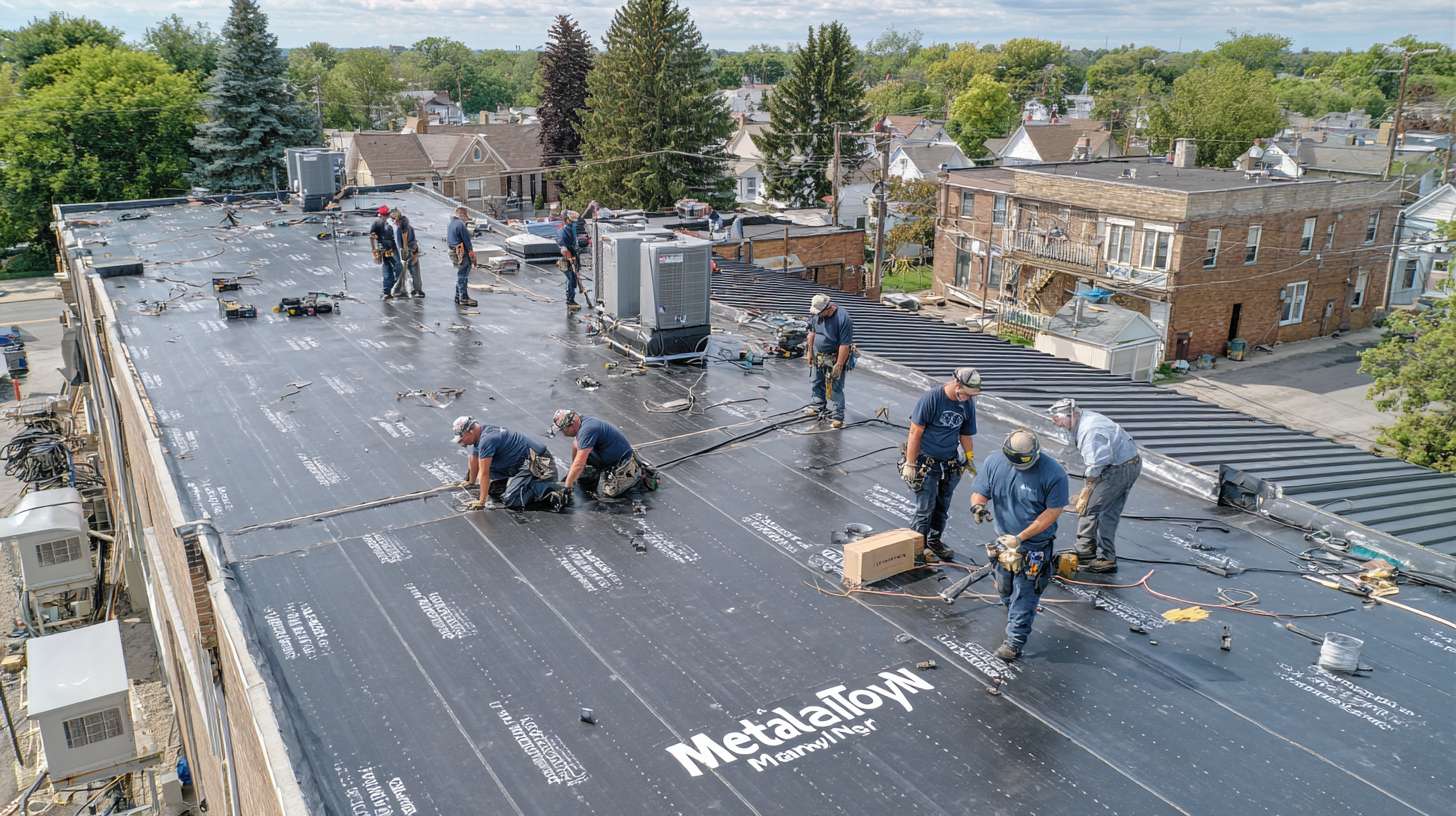
When a section of felt roof-say a 10×12 area-shows multiple cracks, age-related brittleness, or several small leaks in close proximity, patching each individual spot doesn’t make sense. Instead, I do a sectional overlay: install a full layer of new torch-on felt over the damaged section, extending well beyond the problem area into sound felt. This essentially gives you a new roof in that zone, and it’s the most cost-effective approach when the felt is aged but the deck underneath is still solid.
I did this on a Baldwin ranch house last year where the back 15 feet of a 30-foot felt roof was cracked and leaking in four spots, but the front half was fine. Rather than replace the whole roof, we overlaid the back section with new modified bitumen, feathering it into the good felt at the midpoint. Cost was $1,680 versus $4,200 for a full replacement, and it gave the homeowner a realistic 8 to 10 years before needing to address the whole roof.
Flashing and Edge Details: Where Most Felt Roof Repairs Fail
If I had to guess where your felt roof is actually leaking without even looking at it, I’d say: at a wall flashing, a roof edge, or around a penetration. That’s where probably 70% of felt roof leaks originate, and it’s also where most DIY repairs and even some professional repairs fail within a year.
The problem is that these transition points require both mechanical attachment and waterproof sealing, and they’re moving independently of the main roof surface. A wall flashing expands and contracts with temperature; the felt roof moves differently; the wall moves differently. If you just slap some roof cement at the joint, it cracks within six months. Here’s how to fix a leaking flat felt roof at these critical details:
Wall flashings: The felt has to run up the wall at least 8 inches, covered by metal counter-flashing that’s mechanically fastened to the wall and sealed at the top. The bottom edge of the metal must not be sealed-it needs to be able to move-but the top edge where it meets the wall gets a bead of high-quality sealant (I use Tremco Dymonic or equivalent). If the felt has pulled away from the wall, I cut it back, install a cant strip, torch new felt up the wall, and then re-install or replace the metal flashing.
Roof edges and drip edges: Felt systems need a properly secured edge strip and metal drip edge to prevent wind uplift and water wicking under the edge. If your roof edge is leaking, it’s usually because the felt was never properly terminated-it just stops at the deck edge with no metal protection-or the drip edge has come loose. The repair is to mechanically fasten a new drip edge (screws every 8 inches), torch the felt edge to the vertical leg of the drip edge, and seal the top corner with a reinforced detail.
Penetrations (vents, pipes, chimneys): Every pipe or vent needs a two-part seal: a base flashing (either metal or torch-on felt boot) that’s integrated into the felt layers, and a storm collar at the top if it’s a tall penetration. Most leaks happen because someone just gooped sealant around the pipe, which dries out and cracks. The correct repair is to cut back the felt around the penetration, install a proper boot or flashing piece that’s either torched or mechanically fastened, overlap the felt onto the base, and seal the very top of the penetration with a storm collar and sealant. It’s more work, but it actually lasts.
When to Stop Repairing and Plan for Replacement
Here’s a conversation I had three months ago on a patched-to-death garage roof in Rockville Centre. The homeowner had spent about $2,400 over four years on various repairs-patches, coatings, edge work, flashing repairs. The roof was still leaking. When I got up there, I could see why: the felt was 24 years old, brittle across 80% of its surface, with compression damage to the insulation underneath. I told him: “I can patch this again for $750, and it’ll probably hold for six to eight months. But you’re going to be calling me or someone else again next year. You’ve already spent $2,400 when a new roof would have cost $3,800. At this point, you’re not maintaining the roof-you’re on a subscription plan for leaks.”
He appreciated the honesty and scheduled a replacement. Here’s my rule of thumb: if the cost of repairs over a two-year period exceeds 60% of the replacement cost, stop repairing. And if the felt roof is over 20 years old and showing multiple failure points, even if this repair works, you’re likely 12 to 18 months from needing another one.
The other situation where I steer people away from more repairs: when interior damage has started. If your leaking flat felt roof has caused ceiling staining, insulation damage, or worse-mold growth or structural concerns-the cost equation changes completely. At that point, you’re not just paying for the roof repair; you’re paying for interior restoration too. And if you repair the felt but don’t replace the system, there’s a decent chance it’ll leak again and you’ll be doing that interior work twice.
Realistic Expectations: How Long Will Your Felt Roof Repair Last?
This is the question every homeowner asks, and the answer depends on three factors: the type of repair, the age and condition of the surrounding felt, and Nassau County weather (which is not gentle on flat roofs).
| Repair Type | Expected Lifespan | Best Used For |
|---|---|---|
| Torch-on felt patch (localized) | 8-12 years | Single tears, punctures, or damage on felt roofs under 15 years old |
| Reinforced liquid repair (seams/blisters) | 5-8 years | Seam failures, blisters, or small cracked areas on moderately aged felt |
| Sectional overlay (large area) | 10-15 years | Widespread damage in one section, when surrounding roof is still good |
| Flashing repair/replacement | 12-18 years | Wall flashings, edge details, penetrations (when main roof is sound) |
| Cold patch or wet patch (emergency) | 3-9 months | Emergency temporary seal only; plan for proper repair immediately |
Those numbers assume professional installation and a roof that’s otherwise in reasonable condition. If your felt roof is already at the end of its life, even the best repair is temporary. And here’s something most contractors won’t tell you: repairs on south-facing or west-facing sections of felt roof typically last 20-30% less time than repairs on north or east sections, because UV exposure and thermal cycling are much more aggressive on those exposures.
Why DIY Felt Roof Repairs Usually Make Things Worse
I’m not against homeowners doing their own work-I’ve taught plenty of people how to maintain their roofs between professional services. But felt roof repairs are one area where DIY attempts often create more problems than they solve, especially in Nassau County’s climate. Here’s what I see:
Most hardware store “roof repair” products-the tubs of wet patch, the rolls of aluminum tape, the spray-on rubber coatings-are designed for emergency temporary fixes, not permanent repairs. They don’t bond properly to aged felt, they can’t handle our winter temperatures without cracking, and they often trap moisture underneath, accelerating rot in the deck below. I’ve cut out dozens of failed DIY patches where the plywood underneath was black with mold because the patch sealed water in, not out.
The other issue is that homeowners can’t see what’s happening under the felt surface. When you patch a visible crack, you might be covering a much larger separation or water intrusion that’s spreading laterally. A professional inspection would catch that; a DIY patch just hides it until it becomes a bigger, more expensive problem.
If you’re determined to do a temporary repair yourself-because it’s leaking right now and you can’t get a contractor out for three days-here’s the least-harmful approach: clean and dry the area completely, apply a thin layer of cold patch to fill the crack, embed a piece of fiberglass mesh, apply another thin layer, and then call a professional within two weeks for a proper repair. Do not use thick applications, do not use aluminum coating in cold weather, and do not assume it’s fixed permanently.
Working with Platinum Flat Roofing on Your Felt Roof Leak
When you call us about a leaking flat felt roof in Nassau County, the first thing we do is schedule an honest assessment-not a sales pitch, an assessment. I’ll tell you if your roof can be reliably repaired, how long that repair should last, and what it’s likely to cost. More importantly, I’ll tell you if it can’t be reliably repaired, and why throwing more money at patches doesn’t make sense.
We’ve built our reputation on giving homeowners realistic repair-versus-replace timelines. If your 16-year-old felt roof has one fixable problem and the rest of the roof is solid, we’ll repair it and you’ll get years of service. If your 22-year-old felt roof has been patched four times and is showing its age across the whole surface, I’ll tell you that a $900 repair is a short-term solution and help you plan for the inevitable replacement instead of pretending it’s a permanent fix.
After 27 years working on torch-on and built-up felt roofs across Long Island, I’ve learned this: the best repair is the one that’s appropriate for the roof you actually have, not the repair that sounds cheapest or easiest. A $1,400 sectional overlay that lasts 10 years is a much better investment than three $500 patches over three years. And sometimes, the most honest answer is: “Your roof has given you good service, but it’s time.”
If you’re dealing with a leaking flat felt roof in Nassau County and you’re not sure whether to repair, overlay, or replace-call us. We’ll walk the roof with you, show you exactly what we’re seeing, explain your options in plain language, and give you a realistic picture of what each choice means for the next 5, 10, or 15 years. No pressure, no games-just honest advice from someone who’s been patching and replacing felt roofs since before most of today’s “flat roof coatings” even existed.