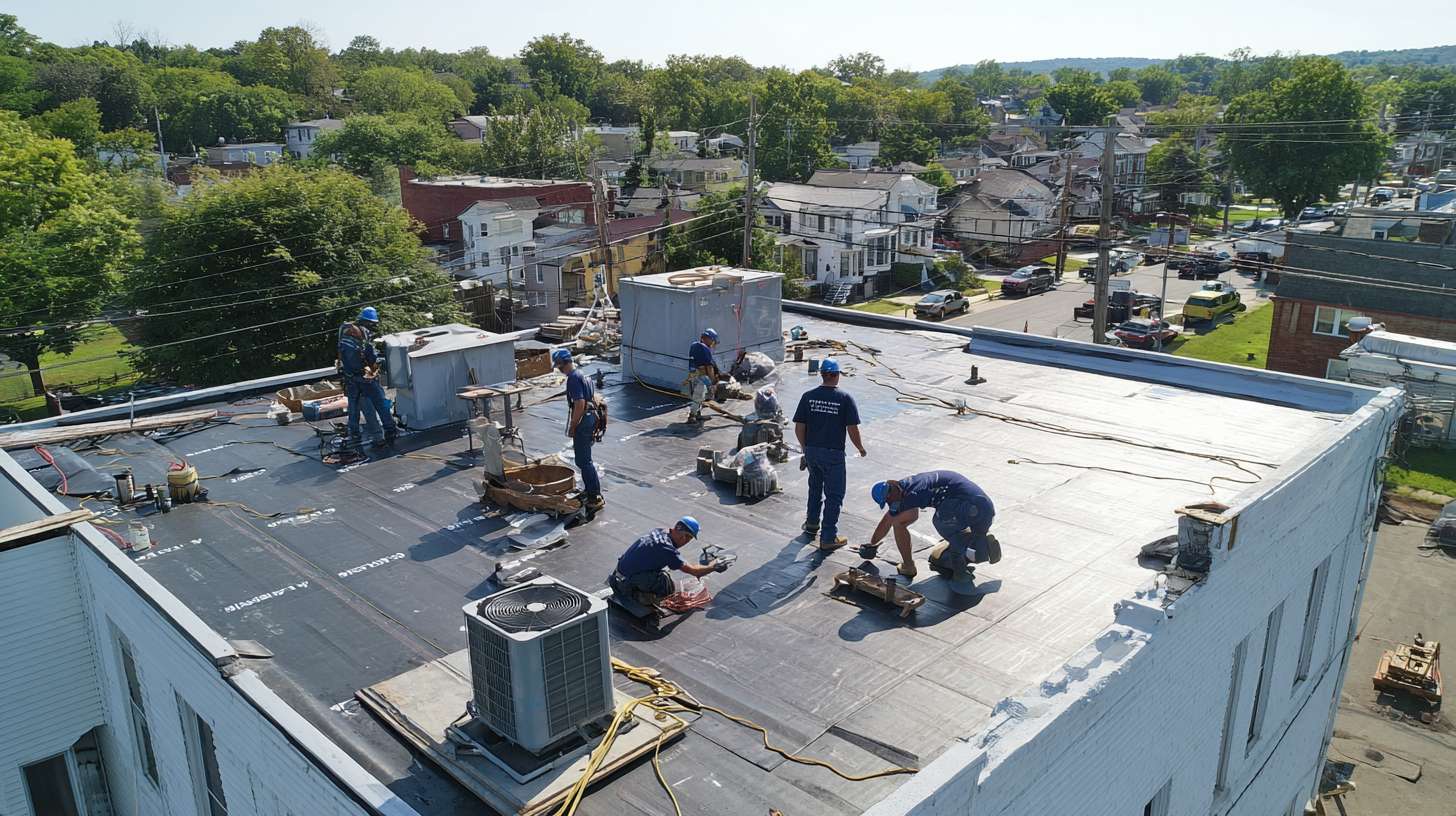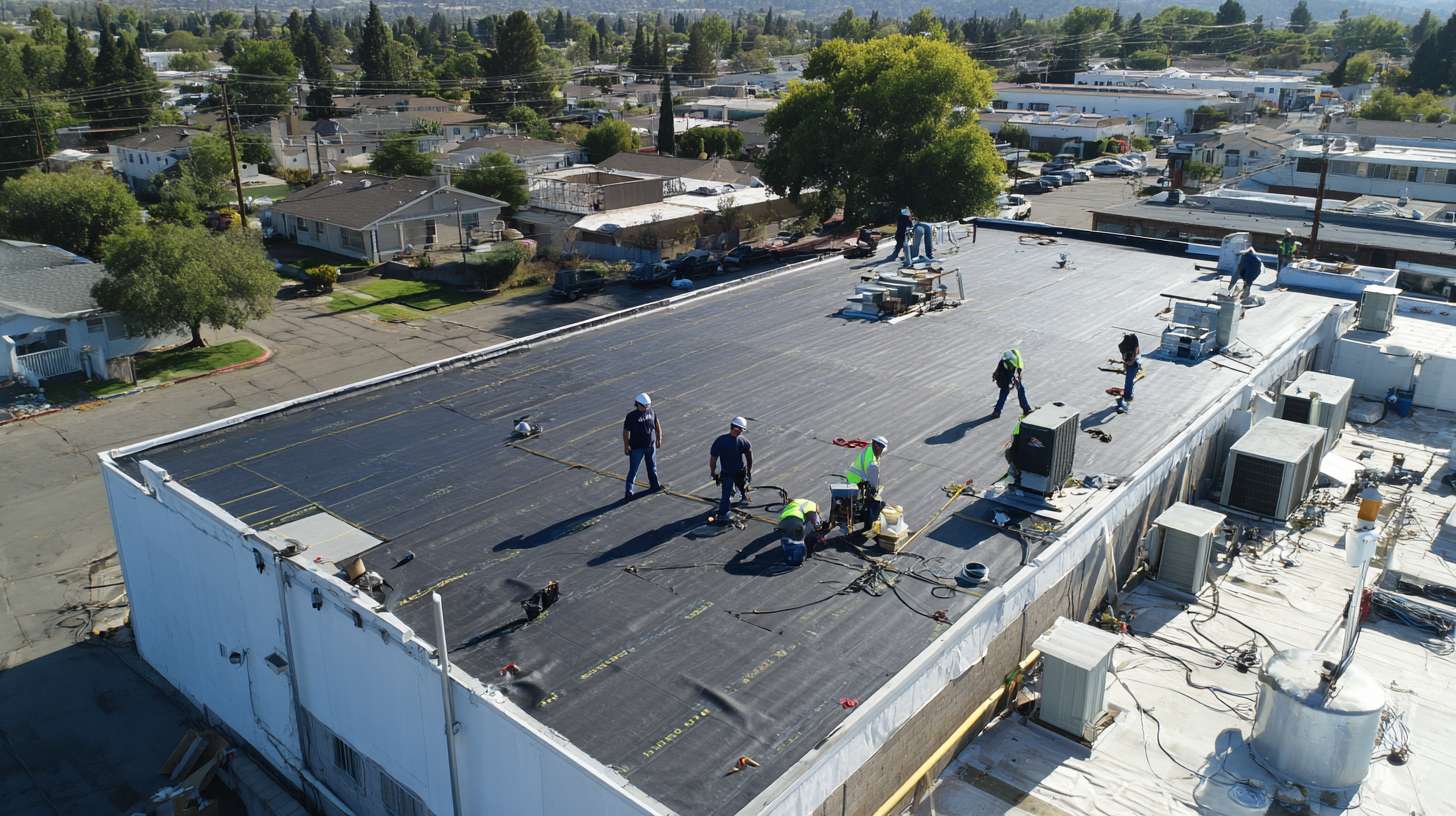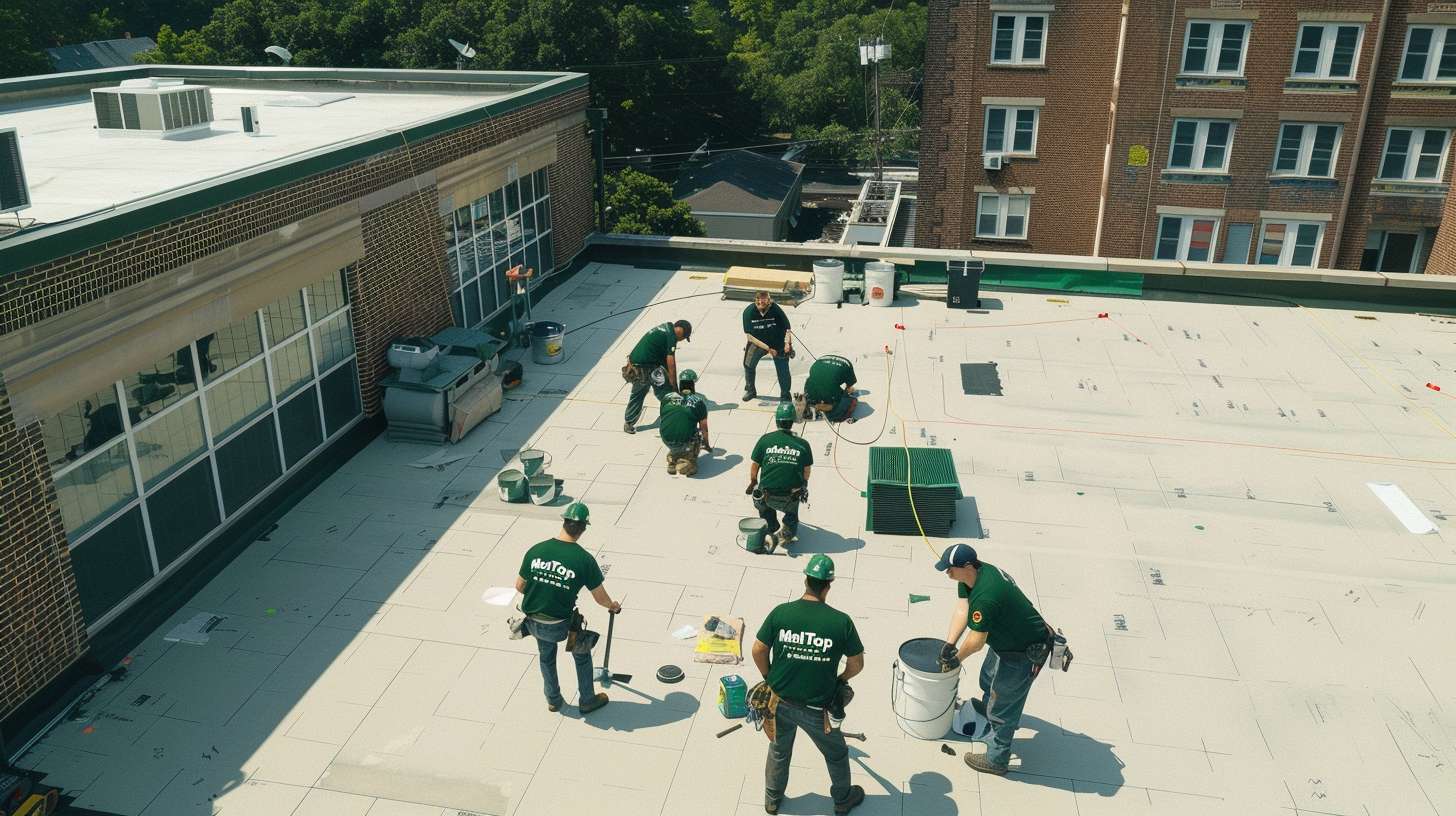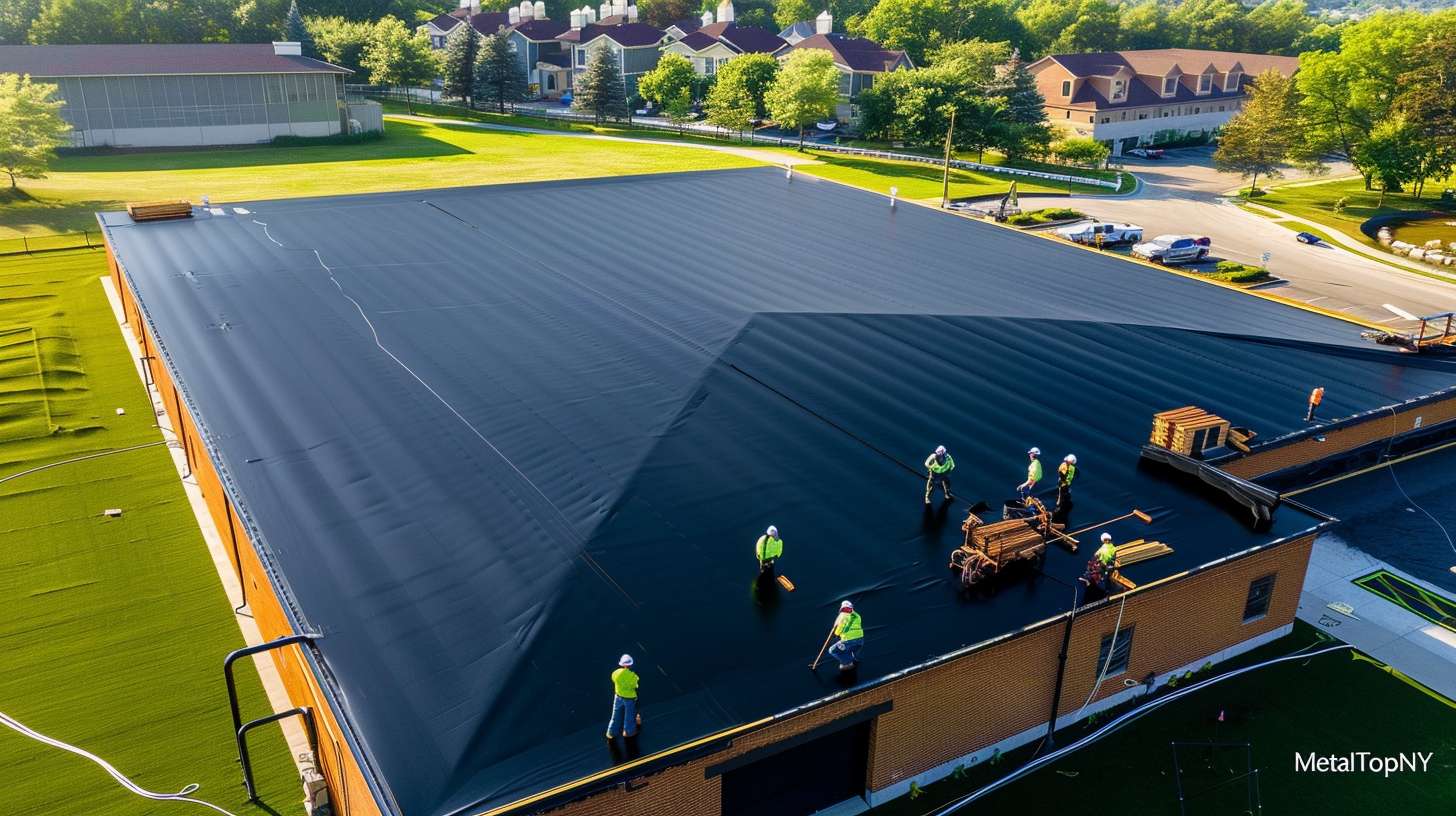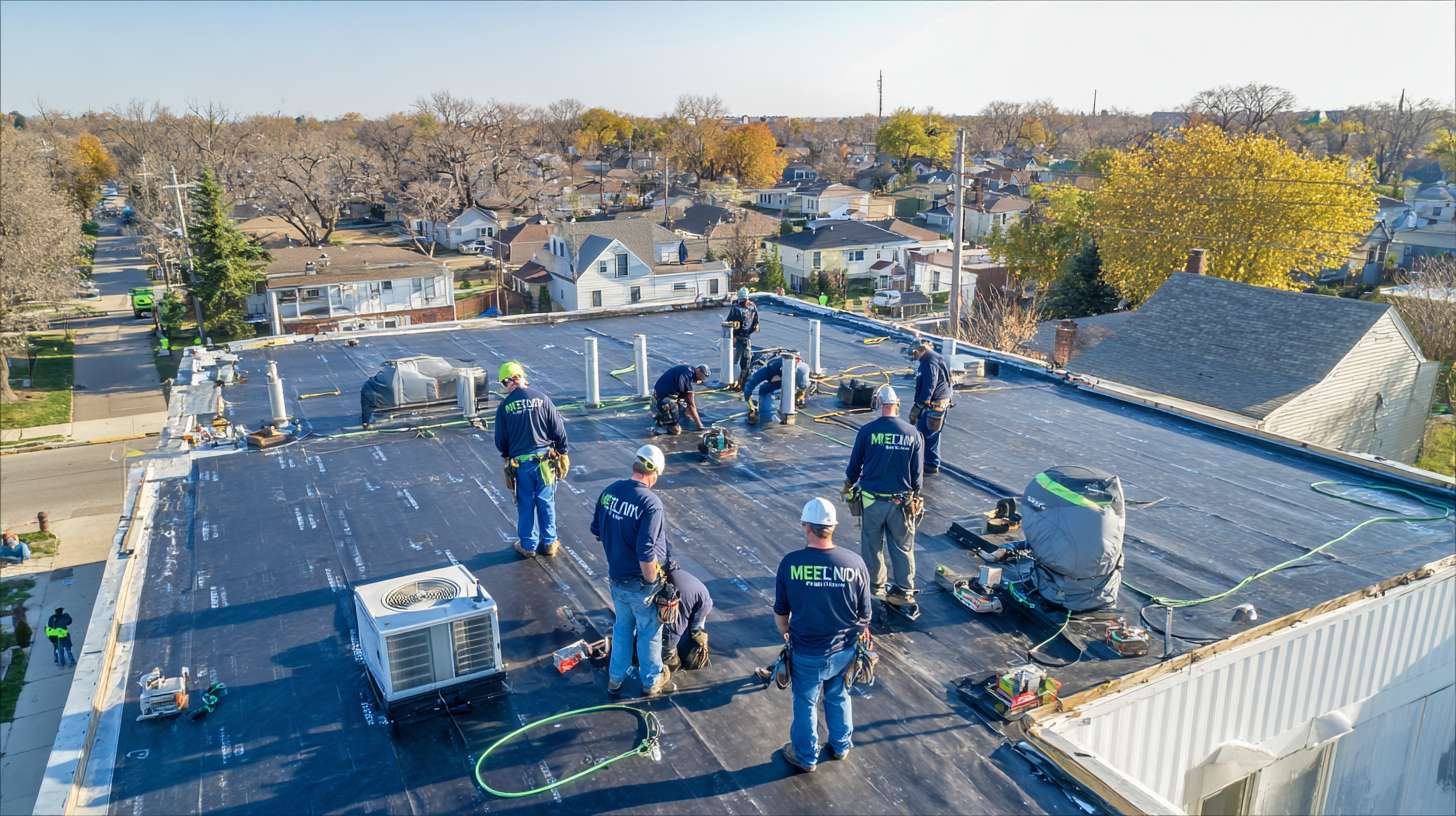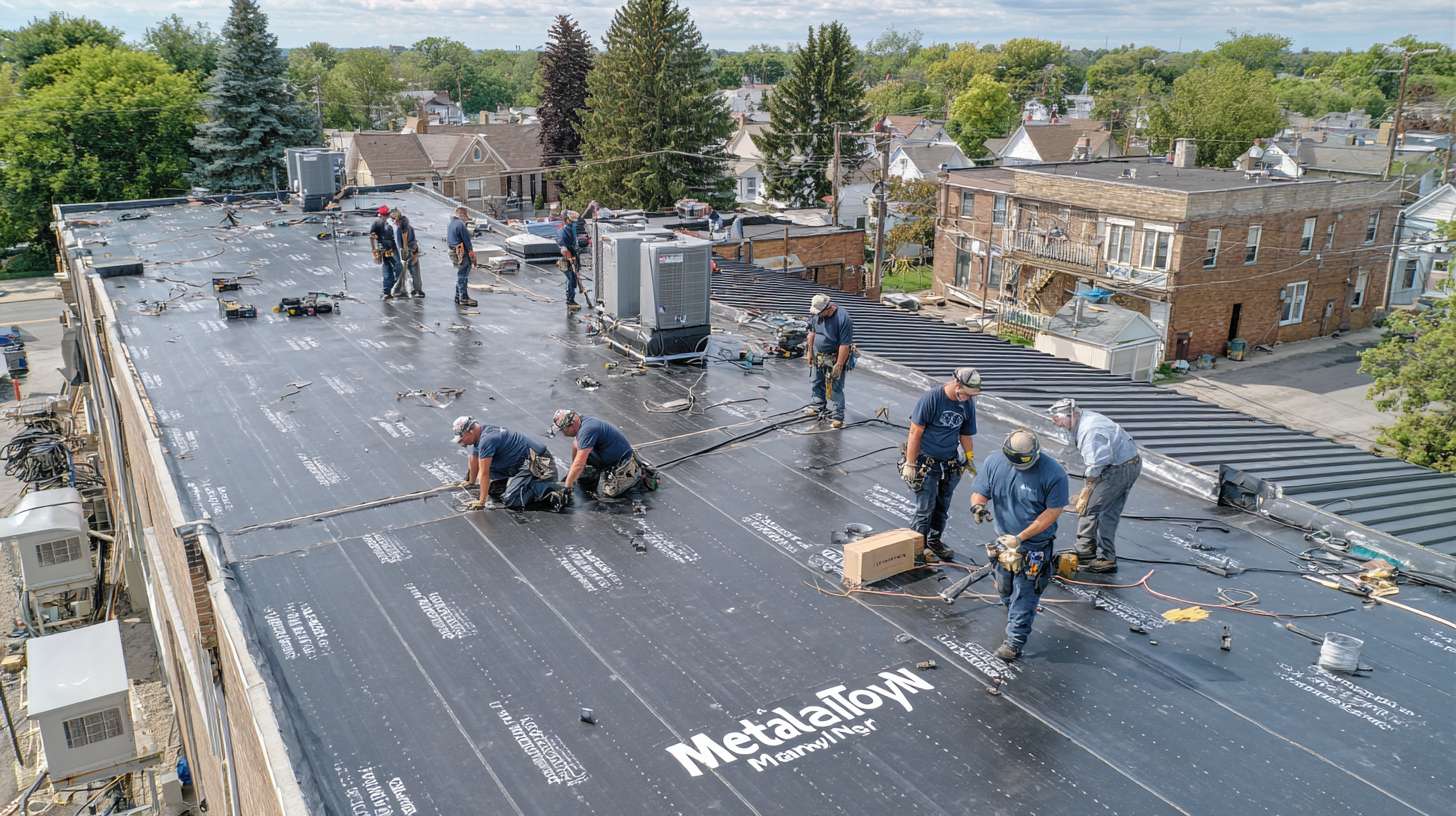
Expert Repairing Sagging Flat Roofs in Nassau County, NY
Here’s something most Nassau County homeowners don’t realize until it’s too late: a sagging flat roof isn’t just an aesthetic problem or a sign your membrane is old-it usually means the framing underneath is overloaded, undersized, rotted through, or all three. And every gallon of water that pools in that low spot adds another 8.3 pounds of dead weight sitting on already-compromised joists. I’ve seen sagging flat roofs on garages, additions, and small apartment buildings all over Nassau County, and in 25 years I’ve learned one non-negotiable rule: fixing a sagging flat roof only at the surface-by laying new EPDM or TPO over the dip-is like painting over a cracked beam. The real repair has to start underneath, or you’re just buying yourself a few seasons before the next sag appears.
Repairing a sagging flat roof properly in Nassau County typically costs $3,200-$9,500 depending on the size of the sag, whether structural reinforcement is needed, and the condition of the existing deck and framing. A minor deflection that only needs tapered insulation and re-roofing might fall on the low end; a full joist sistering or replacement project with new decking and a complete membrane will be higher. The key is understanding what you’re actually fixing-and that requires opening the roof or inspecting from below to see what’s going on with the structure.
Why Flat Roofs Sag: It’s Almost Always a Structural Issue
Most people call me when they notice a visible dip in the roofline or find standing water that won’t drain after a rain. What they don’t see is the underlying cause, which in Nassau County flat roofs usually falls into one of three categories:
- Undersized or improperly spaced joists – Older garages and additions were sometimes framed with 2×6 joists on 24-inch centers spanning 12 or 14 feet, which is fine for a light roof in 1965 but marginal once you add rooftop AC units, snow load (we’re in the 30 psf snow-load zone), and decades of water absorption.
- Rot and decay in the framing – Flat roofs that pond water for years eventually leak at the seams or flashing, and that moisture migrates into the joists and deck. I’ve pulled back roofing on Levittown Cape additions and found the center joist rotted halfway through, leaving a 3-inch sag right down the middle.
- Deck failure or delamination – Plywood or OSB decking that gets wet loses its structural integrity. A sheet that was rated for roof loads when dry can sag between joists once it’s been soaked and dried repeatedly, creating a wavy, ponding surface even if the joists are sound.
On a 1960s detached garage in East Meadow I worked on two years ago, the homeowner thought he just needed new roofing because the rubber was cracked. When I climbed up, the center of the roof had a 2-inch dip and was holding about 40 gallons of water-roughly 330 pounds sitting on joists that were already sagging. We opened a section and found the middle joist was a full 2×6 spanning 13 feet with no intermediate support, and it had compression cracks along the top edge. That’s not a roofing problem; that’s a framing problem that requires either sistering a new joist alongside the old one or adding a beam and posts to shorten the span.
How to Tell If Your Sagging Flat Roof Is Dangerous
Not every sag is an emergency, but some are. Here’s the decision tree I walk homeowners through when they call:
Red flags that mean you need immediate attention (and probably an engineer):
- Visible sag of more than 1.5-2 inches over a 10-foot span
- Cracks in interior ceilings below the roof, especially running parallel to the joists
- New or worsening deflection after a heavy snow or rain event
- Soft, spongy feeling when you walk on the roof deck
- Water stains or active leaks on the ceiling below the sag
Less urgent (but still needs repair within 6-12 months):
- Shallow, gradual deflection (less than an inch) with no interior cracking
- Ponding water that drains within 48 hours but leaves a visible low spot
- Old roof with minor waviness but no soft spots or bounce when you walk
If you’re seeing interior cracks or rapid worsening, stop using the space below and call a structural engineer before you call a roofer. In Nassau County, a PE’s site visit and letter typically runs $600-$1,200, and that engineer’s stamp is required by code if you’re doing significant structural work anyway. For less severe sags, a contractor like me can usually diagnose and design the fix without engineering, but we’ll tell you up front if we think you need that stamp.
How to Fix a Sagging Flat Roof: The Real Process
Here’s what a proper repair looks like when we’re addressing both structure and waterproofing. I’m going to walk through the most common scenario: a residential flat roof (garage, porch, addition) with a 1-3 inch sag caused by undersized joists and some deck damage.
Step 1: Inspect from Below and Above
If there’s access from below-a garage ceiling, a basement, an unfinished porch-we start there. I’m looking at joist size, span, spacing, and condition. I measure deflection with a string line or laser level. If the joists are accessible, I can usually tell you right away whether we need to sister new lumber, add a beam, or if the joists are fine and the problem is all in the deck.
From above, we remove a test section of roofing (usually 4×4 feet near the sag) to inspect the deck. Plywood that’s delaminated, soft, or black with mold has to be replaced. If the deck is solid but the framing is sagging, we know the fix is structural.
Step 2: Reinforce or Replace the Framing
This is where the real work happens. The most common repairs I do in Nassau County:
Sistering new joists: When the existing joists are undersized or have minor rot, we run new 2×8 or 2×10 lumber alongside the old joists, bolted or nailed together every 16 inches. This effectively doubles the load capacity and straightens the sag. On a typical 12×20 garage roof, sistering three or four center joists takes a day and costs about $1,800-$2,800 in labor and materials.
Adding a center beam and posts: If the span is too long (14+ feet), the code-compliant fix is often to add a flush beam down the center of the roof, supported by posts that bear on a footing or the foundation below. This cuts the joist span in half. It’s more invasive-you’re adding structure inside the garage or below the roof-but it’s the only way to bring a badly undersized roof up to current load standards. Typical cost: $3,500-$6,000 depending on access and footing work.
Full joist replacement: If rot is severe or the joists are truly failed, we remove the old framing and install new joists to current code (usually 2×8 or 2×10 on 16-inch centers for spans up to 12 feet). This is the most expensive option-$5,000-$9,000+ for a small roof-but it gives you a brand-new structural system with a full lifespan ahead of it.
Step 3: Replace Damaged Decking and Build in Positive Slope
Once the framing is straight and strong, we re-deck. Any plywood or OSB that was wet, soft, or sagging gets replaced with new ⅝-inch or ¾-inch CDX plywood, fastened every 6 inches along the edges and 12 inches in the field.
Here’s the part most roofers skip: a flat roof should never actually be flat. Code requires a minimum ¼ inch per foot slope to drainage. If your roof was built dead-flat or now has reverse slope from the sag, we build slope into the repair. The most common methods:
- Tapered insulation: We install rigid polyiso insulation in tapered sheets (starting at ½ inch on the high side and increasing to 2-3 inches at the drain) to create positive slope without touching the framing. This works well when the framing is now level and we just need to direct water.
- Furring or sleepers: On smaller roofs, we sometimes run treated 2× sleepers at a slight angle across the joists, then deck over them. This is old-school but effective.
- Framing the slope in: If we’re replacing joists anyway, we can rip the tops at an angle or hang them at slight elevation differences to create built-in slope. More labor, but it’s permanent and doesn’t rely on insulation staying in place.
On that East Meadow garage I mentioned earlier, we sistered three joists, replaced 60 square feet of rotted deck, and then installed tapered ISO to create a ½-inch-per-foot slope toward the existing scupper. Once we re-roofed with 60-mil EPDM, the owner had a roof that shed water in under 24 hours instead of holding a pond for a week. Total cost was $4,700.
Step 4: Re-Roof with Proper Drainage Details
With structure and slope corrected, we install new roofing. In Nassau County I typically use:
- EPDM (rubber membrane): 45-mil or 60-mil, fully adhered, seams lapped and sealed. Cost: $4-$7 per square foot installed.
- TPO: Heat-welded seams, more UV-resistant than EPDM, slightly higher cost. $5-$8 per square foot.
- Modified bitumen: Torch-down or cold-applied, two-ply system. More old-school but very durable. $6-$9 per square foot.
We also confirm or add drainage: scuppers, interior drains, or edge gutters, all sloped and flashed to code. A roof that used to pond because of a sag should never pond again if the slope and drainage are designed correctly.
DIY vs. Professional Repair: Where the Line Is
I get asked all the time: “Can I fix this myself?” The honest answer depends on the severity and your skills.
You can reasonably DIY:
- Minor ponding fixes using tapered insulation or roof coatings if the structure is sound
- Replacing small sections of damaged decking from above (if you can access and support the area safely)
- Applying a new membrane over a roof that’s been structurally repaired by a pro
You should not DIY:
- Any repair involving joist sistering, replacement, or beam installation-this is structural work that needs to meet code and be done safely
- Opening and re-decking more than 10-15% of the roof area
- Any repair on a roof where you’re seeing interior cracking or rapid deflection
Flat roof framing is load-bearing structure. A mistake doesn’t just mean a leak; it can mean a collapse, especially under snow load or if someone goes up on the roof. In Nassau County, any structural work over $500 officially requires a permit, and structural framing repairs always require inspection. Most homeowners I work with are comfortable doing finish work or even re-roofing, but they bring me in for the framing and deck repair because they know it has to be right.
What a Complete Sagging Flat Roof Repair Costs in Nassau County
Here’s a breakdown of typical costs for a sagging flat roof project on a residential structure (garage, addition, or porch) in Nassau County as of 2025:
| Repair Scope | Typical Size | Cost Range |
|---|---|---|
| Minor sag, tapered insulation & re-roof only (structure sound) | 200-400 sq ft | $2,200-$3,800 |
| Sister 3-4 joists, replace deck sections, re-roof | 300-500 sq ft | $4,200-$6,500 |
| Add center beam & posts, full re-deck, tapered insulation, re-roof | 400-600 sq ft | $6,500-$9,800 |
| Full joist replacement, new deck, slope correction, premium membrane | 500-800 sq ft | $9,000-$14,000+ |
| Structural engineering consultation (if required) | Site visit & letter | $600-$1,200 |
These numbers assume standard access, no hazardous material abatement (old roofing is non-asbestos), and work that can be done from above and/or with reasonable access from below. If we need a crane, scaffolding around a two-story building, or significant interior demolition to access framing, costs go up. Permits in Nassau County towns run $150-$400 depending on scope and municipality.
Long-Term Prevention: Why Slope and Maintenance Matter
Once you’ve invested in repairing a sagging flat roof properly-framing corrected, deck replaced, slope built in-the last thing you want is for it to sag again in ten years. The two biggest factors in keeping a flat roof structurally sound long-term are positive drainage and regular maintenance.
Positive drainage means water moves off the roof within 24-48 hours. When we design slope into a repair, we’re aiming for ¼ inch per foot minimum, and in practice I like to see closer to ½ inch per foot if we can build it in without creating a noticeable pitch. That ensures even heavy rain clears quickly, and snow melt doesn’t sit in low spots refreezing every night.
Maintenance means clearing drains and scuppers twice a year (spring and fall), inspecting seams and flashing annually, and addressing any small issues before they become leaks. A flat roof that drains well and stays dry will easily outlast its warranty. A flat roof that ponds and leaks will start the rot-and-sag cycle all over again, no matter how well we built the structure.
I’ve worked on buildings in Nassau County where a $5,000 structural repair and re-roof in 2010 is still going strong in 2025 because the owner keeps the drains clear and patches small cuts before they leak. And I’ve seen roofs where we did similar work, but the owner never cleared the scuppers, ponding returned, leaks started, and now we’re back sistering joists again fifteen years later. The structure we install will carry the load-but only if you keep the water moving off it.
When to Call Platinum Flat Roofing
If you’ve noticed a sag, a low spot, or ponding water on your flat roof in Nassau County, the best first step is a professional inspection. At Platinum Flat Roofing, we’ll tell you whether you’re looking at a simple re-roof with tapered insulation or a full structural repair-and we’ll give you a clear scope and price before any work starts. We don’t hide problems under new roofing; we fix them at the framing level so the roof is code-compliant, properly sloped, and ready for another few decades of Long Island weather.
Most of our sagging flat roof projects take 3-7 days depending on size and structural scope, and we handle permits, inspections, and all the coordination with engineers if your project requires one. Call us for a free assessment, and we’ll walk you through exactly what’s happening under your roof-and what it takes to fix it right.