Expert Bathroom Vent Installation on Flat Roofs in Nassau County
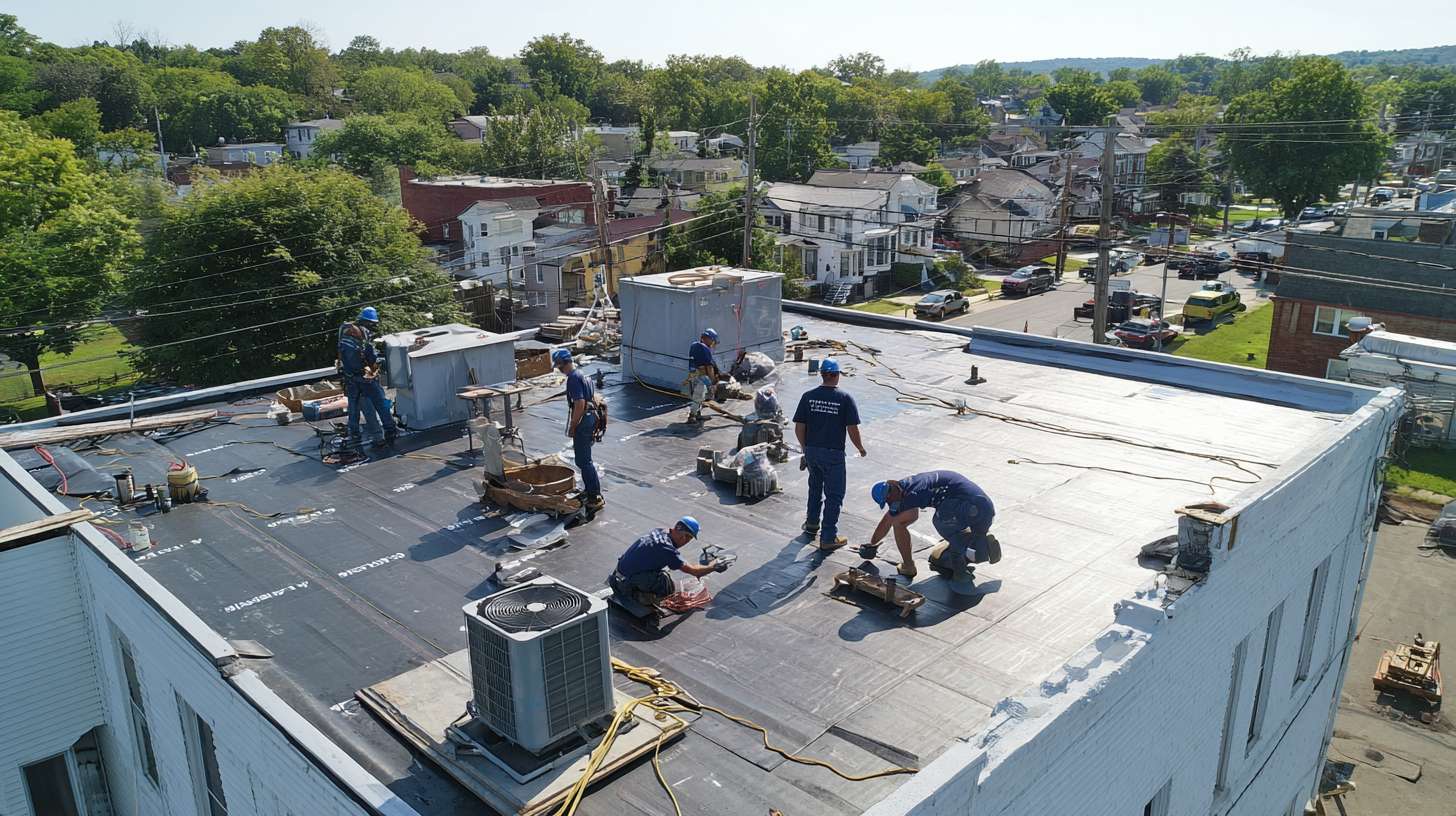
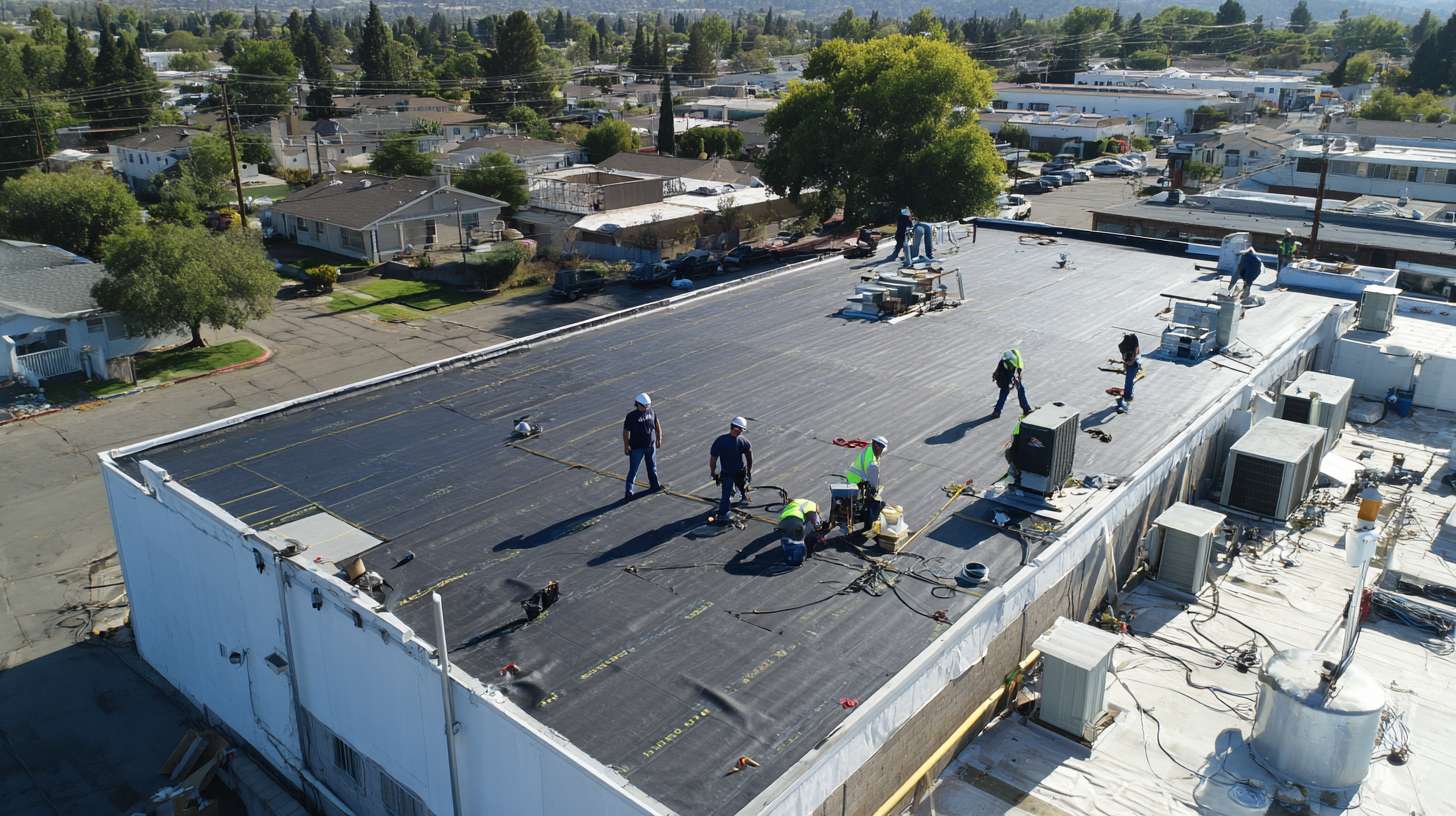
Installing a bathroom vent on a flat roof in Nassau County costs between $625 and $1,450 for a complete system, depending on the duct run length, roof membrane type, and whether you need a simple roof-mount hood or a prefabricated curb detail. The biggest mistake I see every week? Contractors who terminate bathroom fan ducts into the ceiling space or “attic” beneath a flat roof instead of running them all the way outside. Homeowners assume there’s adequate ventilation up there and that steam will just disappear-but on a flat roof, there’s usually only a few inches of joist space, no real airflow, and the moisture condenses on the cold roof deck all winter long. Six months later, you’ve got black mold on the ceiling below, insulation rotting inside the cavity, and in the worst cases, actual wood rot that compromises roof sheathing. The only correct bathroom vent installation on a flat roof is one that exhausts 100% of the moist air through a properly flashed penetration in the roof membrane itself.
Why Flat Roofs Demand a Different Approach to Bathroom Venting
When you’re working on a pitched roof with a vented attic, you can sometimes get away with sloppy vent routing-the attic ventilation system bails you out. But flat roofs in Nassau County, especially the EPDM and TPO systems we see on Long Island ranches, attached garages, and second-floor master suite additions, have zero margin for error. Most of these assemblies use a “compact roof” design: structural deck, tapered insulation, and a single-ply membrane with no attic space underneath. Any moisture that doesn’t make it all the way outside stays trapped in the insulation or against the roof deck.
I learned this the hard way fifteen years ago when I was still doing HVAC-only work. I installed a perfectly good 110-CFM bath fan in a Hicksville ranch, ran the flex duct up into what I thought was an attic space, and left it there with a little soffit vent nearby. Three months later-middle of January-the homeowner called about water dripping from the bathroom ceiling fixture. When I pulled the ceiling panel, the entire joist cavity was black with mold and the duct was dripping like a garden hose. The “attic” was really just sixteen inches of unconditioned space under a flat EPDM roof, and every bit of shower steam was condensing on the cold aluminum flex duct and pooling. That’s when I realized bath vent installation on flat roofs isn’t an HVAC job or a roofing job-it’s both, done at the same time, or you fail.
Planning the Duct Route and Roof Penetration Location
On a Valley Stream ranch with a flat roof over the main bath and two bedrooms, the homeowner wanted a new 150 CFM fan to handle the steam from daily showers. The existing fan vented nowhere-just blew into the ceiling. My first step wasn’t buying the fan; it was standing in the bathroom, looking at the ceiling joist direction, and mapping the shortest possible duct run to the roof surface. Shorter is always better: less duct means less friction loss, less surface area for condensation, and less chance you’ll sag the duct or create a water trap.
I walked the flat roof with a tape measure and marked three potential penetration spots. I ruled out the first because it was in a low spot where water ponds after rain-any roof penetration there is asking for trouble. The second was near an HVAC condenser that would blow hot exhaust across the vent hood. The third spot was eighteen feet from the bathroom, required one ninety-degree elbow, and landed in a section of roof with positive drainage and clear access from below. That’s where we put it.
Here’s what I check every time before I commit to a roof penetration location:
- Joist direction and cavity access: Can I run a duct without cutting structural framing? If I have to cross joists, I’ll box around them, but each turn adds resistance and installation time.
- Roof drainage pattern: Never penetrate in a ponding area or valley. Even a perfect flashing detail will age faster when it sits in standing water.
- Distance from roof edges and other penetrations: I keep bath vents at least three feet from parapet walls, HVAC curbs, and other roof equipment to avoid turbulence and re-entrainment of exhaust air.
- Interior ceiling layout: If there’s a light fixture, ceiling fan, or recessed can in the way, I’ll shift the roof penetration a foot or two rather than complicate the rough-in.
- Exterior hood clearance: The vent hood needs to sit above the roof surface high enough that snow, membrane granules, and debris can’t block the damper-minimum four inches for a low-profile hood, six to eight inches if you’re in a high-snow area or using a curb-mount cap.
Choosing Between Roof Hoods, Curbs, and Vent Pipe Kits
There are three basic ways to terminate a bathroom vent through a flat roof, and the one you choose depends on your roof membrane type, duct size, and how much weather exposure the roof gets. I’ll walk through what I actually install on Nassau County flat roofs, not what looks good in a catalog.
Low-profile roof vent hoods: These are my default for residential bath vents on TPO and EPDM roofs. They’re powder-coated aluminum or plastic caps with an integral flange that sits flat on the roof membrane, a built-in backdraft damper, and a short collar (usually four or six inches tall) that connects to rigid duct from below. The flange gets adhered or heat-welded into the membrane, and the damper prevents wind-driven rain and cold air from blowing back down the duct. I’ve installed hundreds of them-they’re code-compliant, low-cost ($85-$140 for the hood itself), and if the flashing is done right, they never leak. The catch: you must use rigid duct for the last section before the hood, and you need a clean, flat area of membrane to bond the flange.
Prefabricated roof curbs with vent caps: If you’re working on a modified-bitumen roof, a gravel-surfaced BUR, or a situation where you need more height (like a roof that gets heavy snow or has minimal slope), a curb-mount system is the better call. The curb is a wood or plastic box-typically 12×12 or 14×14 inches-that gets flashed into the roof membrane using the same detail you’d use for an HVAC curb: base flashing, counterflashing, and cant strips if it’s a built-up roof. The vent cap sits on top of the curb and bolts down. This gives you eight to twelve inches of clearance above the roof, which is critical if you’re in an area like Massapequa or Seaford where nor’easters dump wet, heavy snow. The curb also gives you a nailer for the duct connection and makes it easy to replace the cap later without disturbing the roof. Cost for the curb assembly runs $175-$290 depending on size and whether it’s factory-made or job-built.
Vent pipe boots and rigid stack terminations: Occasionally I’ll use a standard plumbing-style pipe boot (EPDM or TPO-compatible) with a rigid PVC or metal duct that extends eight to ten inches above the roof and gets a mushroom cap or gooseneck on top. This works well when you’re adding a bath vent to a roof that already has multiple pipe penetrations and you want a consistent look, or when the duct run is unusually long and you need smooth interior walls to preserve airflow. The boot flashing is reliable, but you lose the integrated damper, so I always install a separate backdraft damper in the duct line inside the building.
| Roof Termination Type | Best For | Installed Cost Range | Key Advantages |
|---|---|---|---|
| Low-Profile Vent Hood | EPDM, TPO, PVC single-ply roofs; minimal snow | $625-$950 | Fast install, integral damper, low wind resistance |
| Curb-Mount Cap | Modified-bit, BUR, high-snow areas, need extra height | $890-$1,450 | Maximum weather protection, easy cap replacement |
| Pipe Boot + Rigid Stack | Long duct runs, matching existing roof penetrations | $710-$1,075 | Smooth airflow, proven flashing method, flexible height |
Cutting the Roof and Framing the Duct Penetration
Once the location is locked in and the materials are staged, I start inside. From the bathroom ceiling, I drill a pilot hole up through the roof deck at the exact center of the planned penetration, then head up to the roof and mark a cut line around that pilot. For a six-inch duct, I’m cutting a seven-inch hole in the roof deck to leave room for the duct collar and a small gap for spray foam air sealing. I use a reciprocating saw from the top and work carefully-you don’t want to catch a wire or plumbing line hidden in the joist bay.
With the membrane temporarily pulled back and the roof deck open, I can see the joist cavity and confirm there are no obstructions. If the joists run parallel to the duct, I’m in luck-the duct drops straight down between them. If I’m crossing joists, I frame a support box using 2x4s to carry the duct and transfer the load to adjacent joists. This isn’t structural engineering-it’s just common sense-but I’ve seen too many duct installations where someone cut a joist without adding a header and the ceiling below eventually sags.
The duct itself is rigid metal for the final run to the roof-I use 28-gauge galvanized if it’s a short straight shot, or insulated rigid duct if the attic space is unconditioned and I need to control condensation. Flex duct is fine for the horizontal run inside the conditioned space, but once you’re in the cold zone under a flat roof, you need the smooth interior and structural integrity of metal. I secure the duct to the framing with metal strapping every four feet and seal every seam and joint with mastic and foil tape. The top end of the duct gets collared into the roof hood from below, with the damper in the hood facing up so gravity helps it close when the fan is off.
Flashing the Penetration Into the Roof Membrane
This is where bathroom vent installation on a flat roof separates the pros from the hacks. The roof hood flange must be integrated into the roof membrane, not just laid on top and caulked. How you do that depends entirely on what membrane you’re working with.
For EPDM rubber roofs: I clean the membrane around the penetration with EPDM primer, then apply a layer of lap sealant or peel-and-stick EPDM flashing around the duct collar. The hood flange goes down onto that sealant, and I roll it hard with a three-inch seam roller to push out any air bubbles. Then I cut a patch of EPDM membrane (usually a 24×24-inch square for a standard bath vent) and bond it over the top of the flange using more primer and lap sealant, shingling it so water flows away from the penetration. Some installers use a prefabricated EPDM pipe boot and stretch it over the duct collar-that works too, but I get a flatter, more UV-stable detail with the flange-and-patch method.
For TPO or PVC single-ply roofs: These are thermoplastic membranes, which means you heat-weld the seams instead of gluing them. I use a prefabricated TPO or PVC vent flange that matches the roof membrane chemistry, slip it over the duct collar, then heat-weld the flange to the field membrane using a hot-air welder set to 500-550°F and a silicone roller. The weld creates a molecular bond that’s stronger than the membrane itself. After the flange is welded, I’ll often add a termination bar around the collar and mechanically fasten it to the deck for extra wind uplift resistance, then seal the fasteners with more membrane or mastic. Nassau County gets 40+ mph gusts off the Atlantic several times a year-heat welds hold, but mechanical attachment keeps the detail from flapping.
For modified bitumen or built-up roofs: These are torch-applied or hot-mopped systems, and the flashing is integrated using the same material. I set the curb (if using one) or the pipe boot flange onto a bed of hot asphalt or cold adhesive, then apply base flashing strips up the sides of the curb or around the collar, torching each layer into the one below. Counterflashing goes over the top, and the whole assembly gets a flood coat of asphalt and a granule-surface cap sheet. It’s more labor-intensive than single-ply, but it’s also bombproof-I’ve seen thirty-year-old built-up roof vent flashings still perfect because every layer is fused together.
Insulating and Air-Sealing the Duct Under the Roof
On a Garden City project last winter, the homeowner called me three weeks after we installed a new bath fan and roof hood. She said the fan worked great-steam cleared fast, no more mirror fog-but now she had cold air blowing into the bathroom when the fan was off. I went back and found the problem immediately: the duct installer had left a quarter-inch gap where the metal duct collar met the drywall ceiling, and cold air from the unconditioned joist space was leaking down around the fan housing. We sealed it with spray foam and the problem disappeared.
Air sealing is just as important as waterproofing when you’re installing a bathroom vent on a flat roof, especially in Nassau County where winter nights drop into the teens and summer humidity climbs into the eighties. Here’s my sealing checklist:
- Spray foam (closed-cell, low-expansion) around the duct collar where it passes through the roof deck, filling the gap between the duct and the rough opening completely.
- Mastic and foil tape on every duct seam and joint, even if the duct is crimped together-crimps leak.
- Insulated duct or duct wrap (R-6 minimum) for any portion of the duct that runs through unconditioned space, which on a flat roof is basically everything above the ceiling.
- Weatherstripping or a foam gasket between the fan housing and the ceiling drywall to stop conditioned air from leaking into the duct path.
- A functioning backdraft damper in the roof hood to prevent wind-driven air from flowing backward into the building.
The insulation and air sealing serve two purposes: they stop warm, moist air from the bathroom from condensing on cold duct walls (which causes dripping and mold), and they prevent outdoor air from infiltrating the building when the fan is off (which wastes energy and makes the bathroom uncomfortable). Both matter year-round, but the condensation risk is highest in winter and the infiltration problem is most noticeable in summer when you’re running AC.
Testing Airflow and Checking for Backdrafts
Once the roof hood is flashed, the duct is sealed, and the fan is wired and installed, I don’t just flip the switch and walk away. I test the system with a flow hood or at minimum an anemometer at the grille to confirm the fan is moving the CFM it’s rated for. A 110 CFM fan should pull at least 95-100 CFM when you account for duct friction-anything less means you’ve got a blockage, an undersized duct, or too many elbows.
Then I check the backdraft damper. With the fan off, I go up on the roof and look at the hood-the damper flaps should be fully closed and not rattling in the wind. I’ve found dampers stuck open because installers didn’t remove shipping clips, or dampers that were bent during installation and won’t seat properly. If outdoor air can blow down through the duct, you’ll feel a cold draft at the bathroom grille on windy days and your heating bills will climb. A simple fix-bend the damper flaps back into shape or replace the hood-but it won’t happen if you don’t test.
Nassau County Code and Compliance Notes
Nassau County follows the New York State Residential Code, which references the IRC and IMC for mechanical ventilation. The key requirements for bathroom vent installation on flat roofs are:
- All bathroom exhaust must terminate outdoors, not into attics, soffits, or crawl spaces (IRC M1507.2).
- Exhaust duct must be at least four inches in diameter for fan capacities up to 200 CFM (most residential bath fans are 50-150 CFM).
- Duct must be insulated to R-value 6 or greater where it passes through unconditioned spaces to control condensation (IMC 504.4).
- Roof penetrations must be flashed and sealed in accordance with the roof membrane manufacturer’s installation instructions and NRCA or RCI guidelines.
- A backdraft damper is required when the duct terminates at a roof or wall cap (IMC 504.5).
I mention this because every few months I run into a bathroom vent installation that was done without a permit, usually by a handyman or HVAC tech who didn’t realize the roof penetration part of the job requires a building permit in Nassau County. If you’re cutting a new hole in your roof for a vent, you need a permit and you need the flashing detail inspected before it’s covered. It’s not a big deal-the permit costs $150-$275 and the inspection takes twenty minutes-but skipping it means your homeowner’s insurance can deny a leak claim if something goes wrong, and you’ll have to redo the work to sell the house.
What Makes a Bathroom Vent Installation on Flat Roof Last Twenty Years
I installed a curb-mount bath vent on a Levittown flat roof in 2009, during a full EPDM roof replacement. The homeowner called me last month because he was selling the house and the buyer’s inspector flagged the roof for “potential penetration issues.” I went to look at it expecting to find a leak or a failed flashing, but when I pulled myself up on that roof, the vent curb looked like I’d installed it last week. The EPDM flashing was still bonded tight, no cracks, no lifted seams. The cap was weathered but the damper worked and the fasteners were solid. That installation will outlast the membrane itself-and it’s lasted this long because we did five things right the first time.
First, we planned the penetration location during the roof tear-off so the curb could be flashed into the new membrane as it went down, not cut in afterward. Second, we used a factory-made curb with integral cant strips and a nailing flange instead of job-building one from scrap lumber-the factory curb came with engineered flashing details and a twenty-year warranty. Third, we ran insulated rigid duct all the way from the fan to the curb, with zero flex and zero sags, so condensation never pooled. Fourth, we air-sealed every penetration and seam with spray foam and mastic-not caulk, which shrinks and fails in five years. And fifth, we followed the EPDM manufacturer’s flashing instructions exactly, using their primer and their lap sealant, so the warranty stayed in place.
That’s what it takes. Bathroom vent installation on flat roofs isn’t hard, but it’s unforgiving. If you skip the planning, cheap out on materials, or rush the flashing, you’ll get a leak or a mold problem within two years. If you treat it like the precision detail it is-duct, flashing, and air sealing all done to the same standard-it’ll work perfectly and never need service.
Platinum Flat Roofing handles bathroom vent installations across Nassau County with the same care we bring to full roof replacements: permits pulled, manufacturer specs followed, and every detail tested before we leave. If you’re adding a bathroom vent to a flat roof and you want it done right the first time, call us for a site visit and estimate.