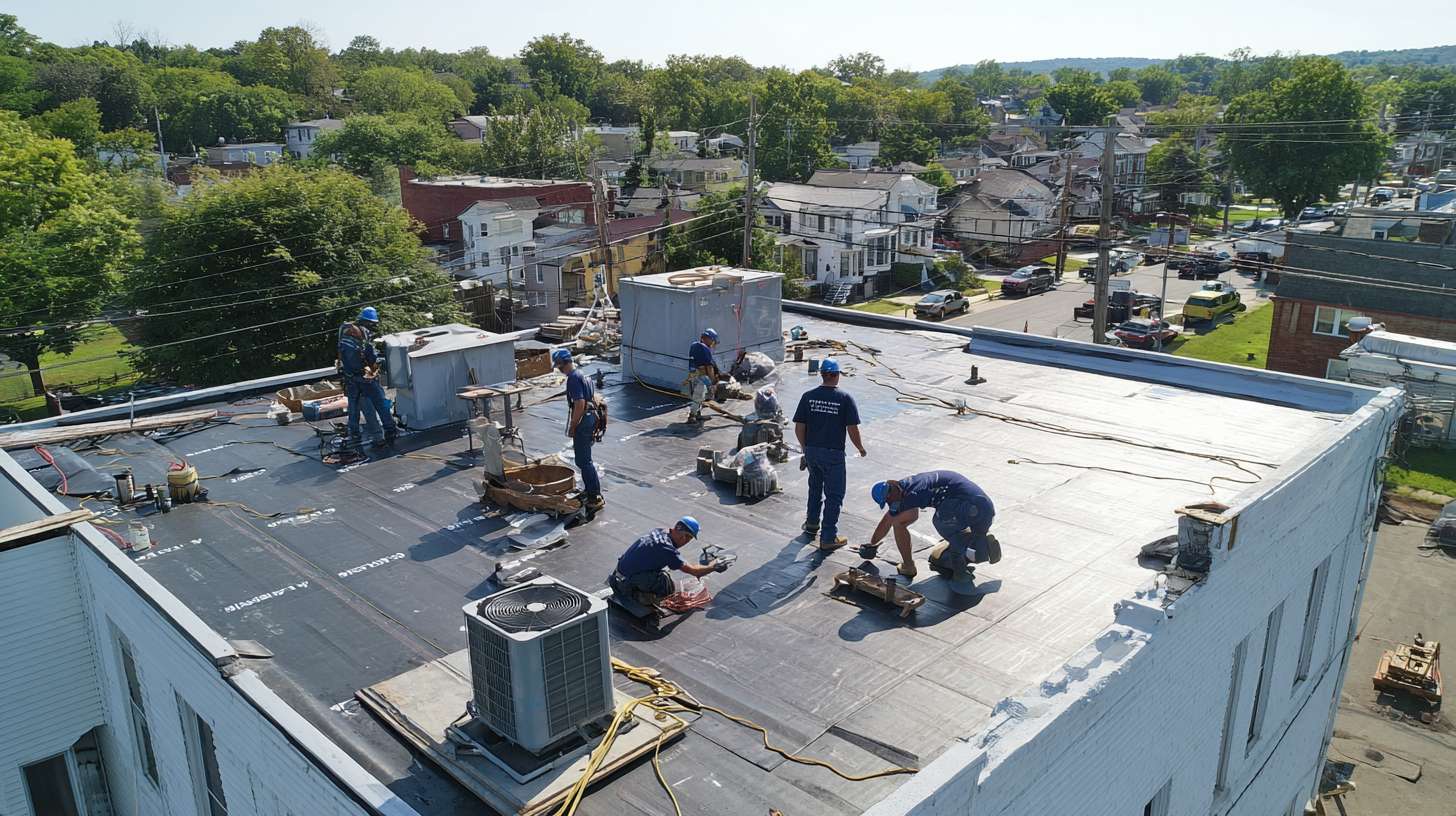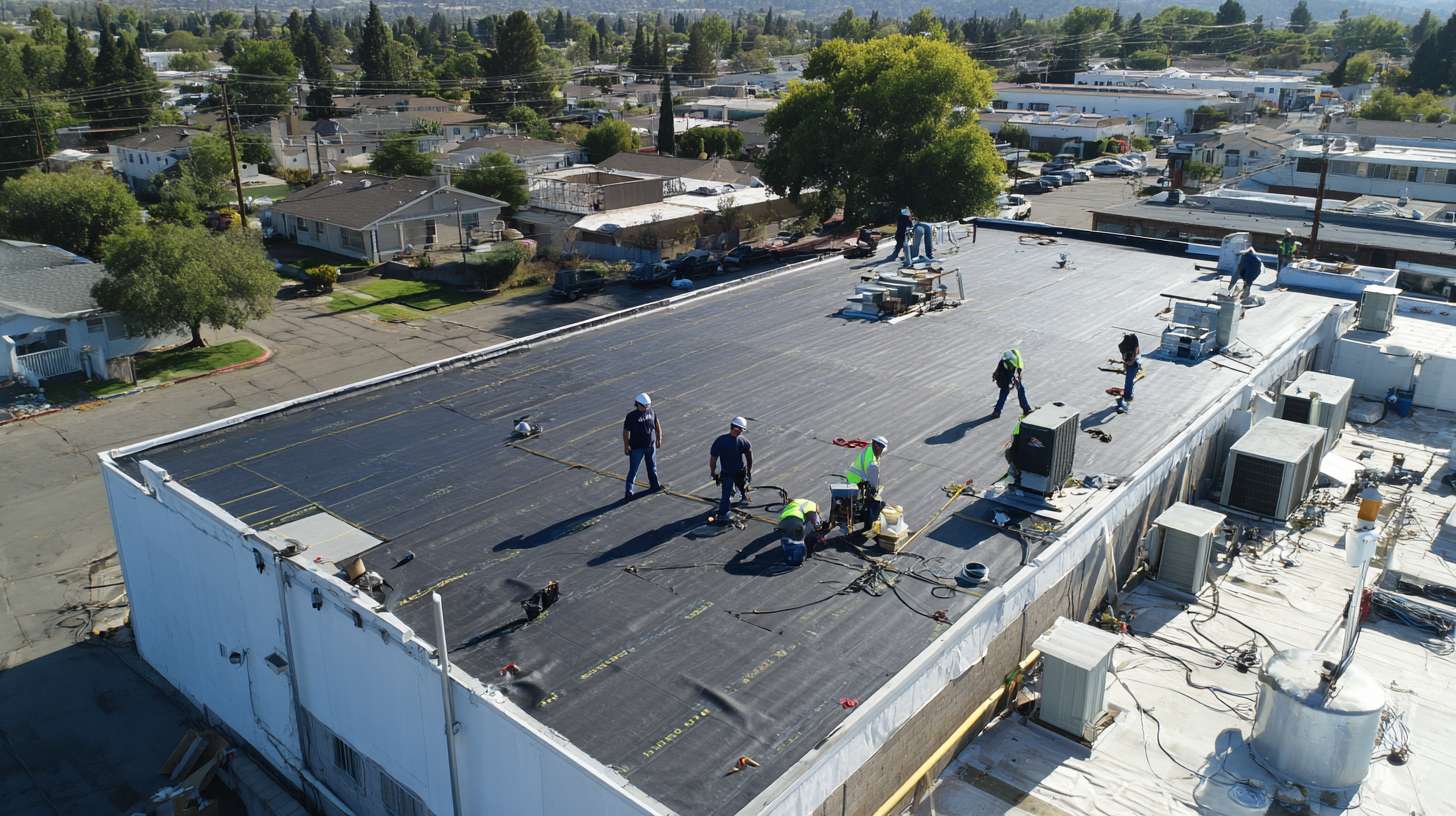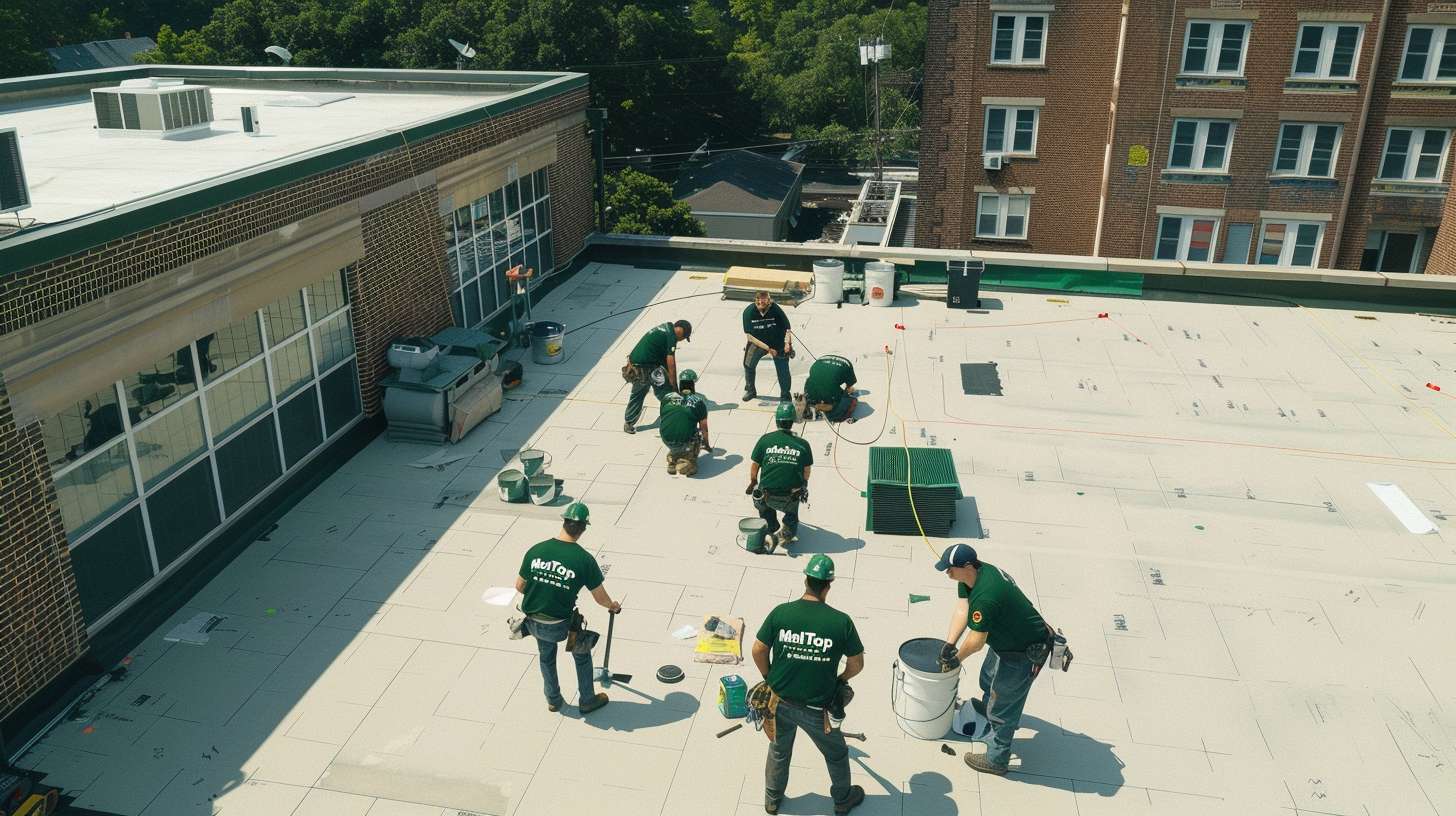
Expert Installing Breather Vents on Flat Roofs in Nassau County
Here’s something most commercial building owners in Nassau County don’t realize: when your flat roof is covered in bubbles and blisters, the problem often isn’t water leaking in from above-it’s moisture trapped underneath the membrane trying to push its way out. That vapor and trapped moisture behaves like a tea kettle on low simmer, slowly lifting your roofing layers from the deck, creating those distinctive “spongy” spots that make you wince when you walk on them. Breather vent installation on a flat roof gives that trapped moisture an escape route, functioning like tiny controlled chimneys for vapor-but only when they’re placed correctly, flashed into the system without creating new leak paths, and installed at the right stage of a roof’s lifecycle. After 18 years installing breather vents across every kind of flat roof in Nassau County-modified bitumen in Oceanside, built-up roofs in Garden City, overlays in Hempstead-I can tell you that these vents are neither magic fixes nor snake oil; they’re targeted moisture-management tools that work brilliantly in specific scenarios and accomplish nothing in others.
If you’ve got blisters showing up between your old roof and a new coating, if you’re planning an overlay and worried about trapped vapor, or if your infrared moisture scan lit up like a Christmas tree but your budget won’t stretch to a full tear-off, understanding whether flat roof breather vent installation makes sense for your building is the difference between a smart salvage project and throwing money at the wrong problem.
When Breather Vents Actually Solve the Problem (And When They’re Useless)
On a 20-year-old built-up roof in Oceanside with big blisters near the parapet, we cut into one of the bubbles during a roof inspection and found bone-dry gravel and felt-no ponding water, no saturated insulation, just air pockets where vapor had separated the plies. The building was a heated warehouse with minimal insulation and no vapor barrier, which meant every winter the warm interior air was pushing moisture up into the cold roof deck. That moisture would condense, get trapped between felts, and when spring sun hit the roof the next season, it would vaporize and try to escape, lifting the membrane layers as it went. That roof was a textbook candidate for breather vent installation.
Contrast that with a modified-bitumen roof in Garden City where the owner saw similar blisters but our moisture meter and infrared scan revealed the insulation underneath was completely saturated-we’re talking water you could wring out. The blisters weren’t from vapor pressure; they were from actual bulk water that had leaked through failed seams and was now trapped in the assembly. Installing breather vents on that roof would be like putting exhaust fans in a sinking boat: you’re not addressing the fundamental problem. That roof needed a tear-off, new tapered insulation, and a proper drainage redesign.
Breather vents work when you have vapor and light moisture trapped within the roofing layers-typically between plies or under an overlay-and they work best when:
- You’re installing a new membrane over an existing roof system that might hold trapped moisture or off-gas as it ages
- You have blisters or ridging from vapor drive but the underlying deck and insulation are structurally sound
- Your building has high interior humidity (pools, commercial kitchens, laundromats) with inadequate vapor barriers below the roof
- You’re coating or restoring a roof and need to allow existing moisture to escape without compromising the new waterproofing layer
- You’ve confirmed through testing that trapped vapor-not bulk water-is the issue
They don’t work when the underlying insulation is wet, when active leaks are introducing bulk water, when the deck itself is rotted, or when you’re trying to vent a brand-new single-ply membrane that was installed correctly over dry substrate (that system doesn’t need venting-it needs proper edge termination and seam integrity).
How I Decide Where Breather Vents Go on Your Nassau County Flat Roof
There’s no magic formula that says “one vent per 200 square feet” or “space them exactly ten feet apart.” Anyone who tells you that is selling vents, not solving your moisture problem. The real answer depends on where the moisture is concentrated, where your existing blisters or problem areas sit, and how vapor naturally wants to migrate through your specific roof assembly.
I start every flat roof breather vent installation project with a walk-up survey, ideally on a warm day after the roof has had sun exposure for a few hours. I’m looking for:
- Active blisters and bubbles – These mark vapor concentrations; vents typically go near or directly through the worst areas
- Spongy zones – Where your foot sinks slightly when you walk, suggesting delamination or trapped moisture underneath
- Ridges between fastener rows – On mechanically attached systems, these often indicate vapor pushing up between fastener lines
- Problem zones near parapets and penetrations – Moisture often gets trapped where the field membrane transitions to vertical flashing
If the budget allows, I strongly recommend an infrared moisture scan, especially on larger commercial roofs. It shows you exactly where moisture is concentrated-sometimes in patterns you’d never guess just from visual inspection. On a 12,000-square-foot modified-bitumen roof in Westbury, the IR scan revealed moisture wasn’t evenly distributed but clustered in three distinct zones near HVAC curbs where the insulation had gotten wet years ago and never fully dried. We installed 14 breather vents concentrated in those zones rather than scattering 30 vents across the entire roof, saving the owner money and targeting the actual problem.
Generally, I place breather vents:
- In or immediately adjacent to visible blister areas
- At high points in the roof field where vapor naturally migrates
- Spaced 8 to 15 feet apart within problem zones, not necessarily across the entire roof
- Away from ponding areas or low spots where water collects (you don’t want a vent sitting in standing water)
- Where flashing details can tie into the existing membrane system cleanly
For overlay projects where I’m installing a new membrane over an old roof, I’ll add vents preemptively in areas where the old roof shows signs of past vapor issues or where building use suggests high humidity loads below.
The Installation Process: Cutting, Flashing, and Keeping Weather Out
Here’s where most DIY attempts and low-bid contractors create more problems than they solve: every breather vent you install is a deliberate penetration through your waterproofing system, so if the flashing and sealing aren’t done correctly, you’ve just added a dozen potential leak points to your roof. The goal is to create a one-way moisture escape-vapor can get out, but water absolutely cannot get in.
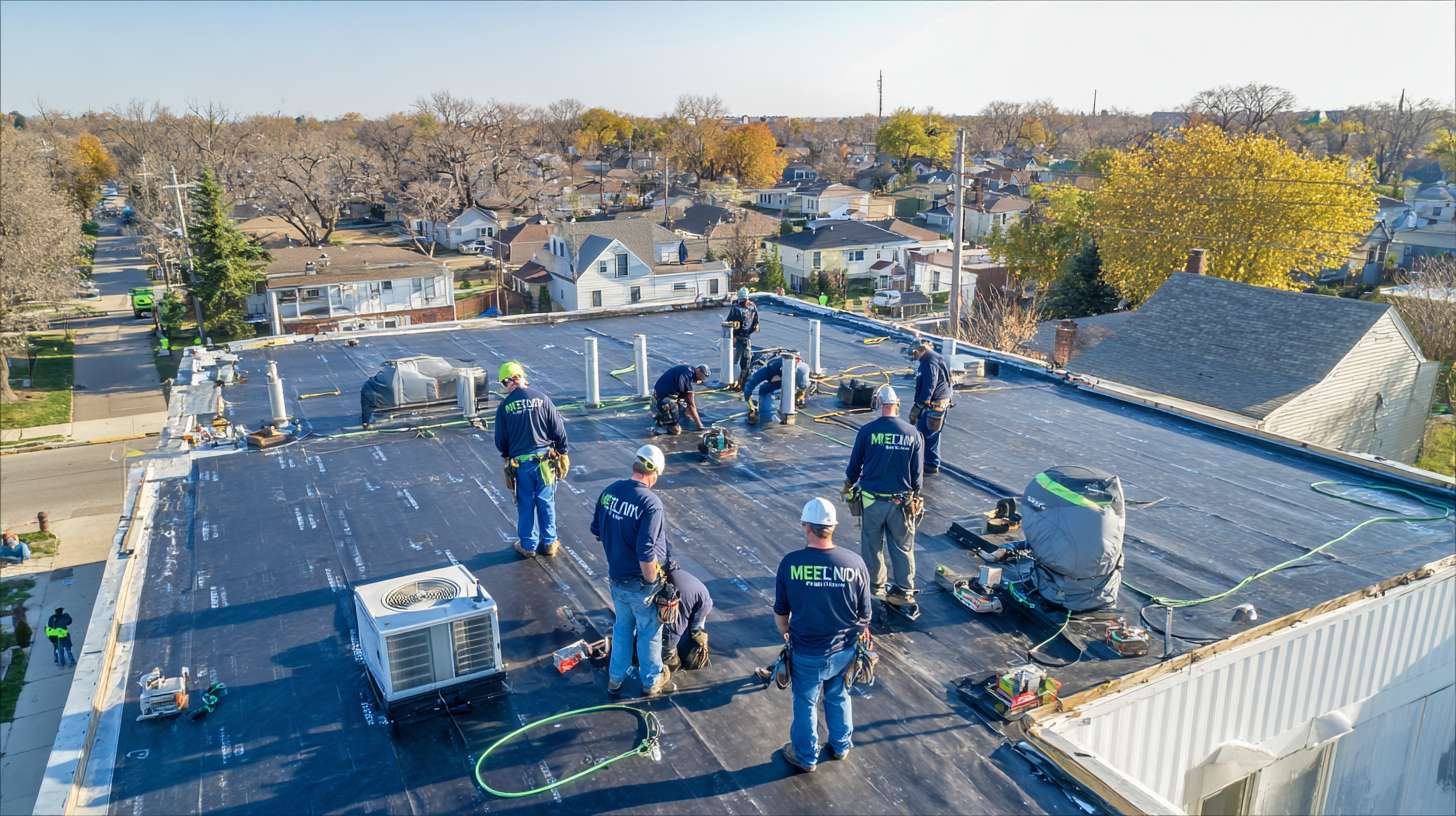
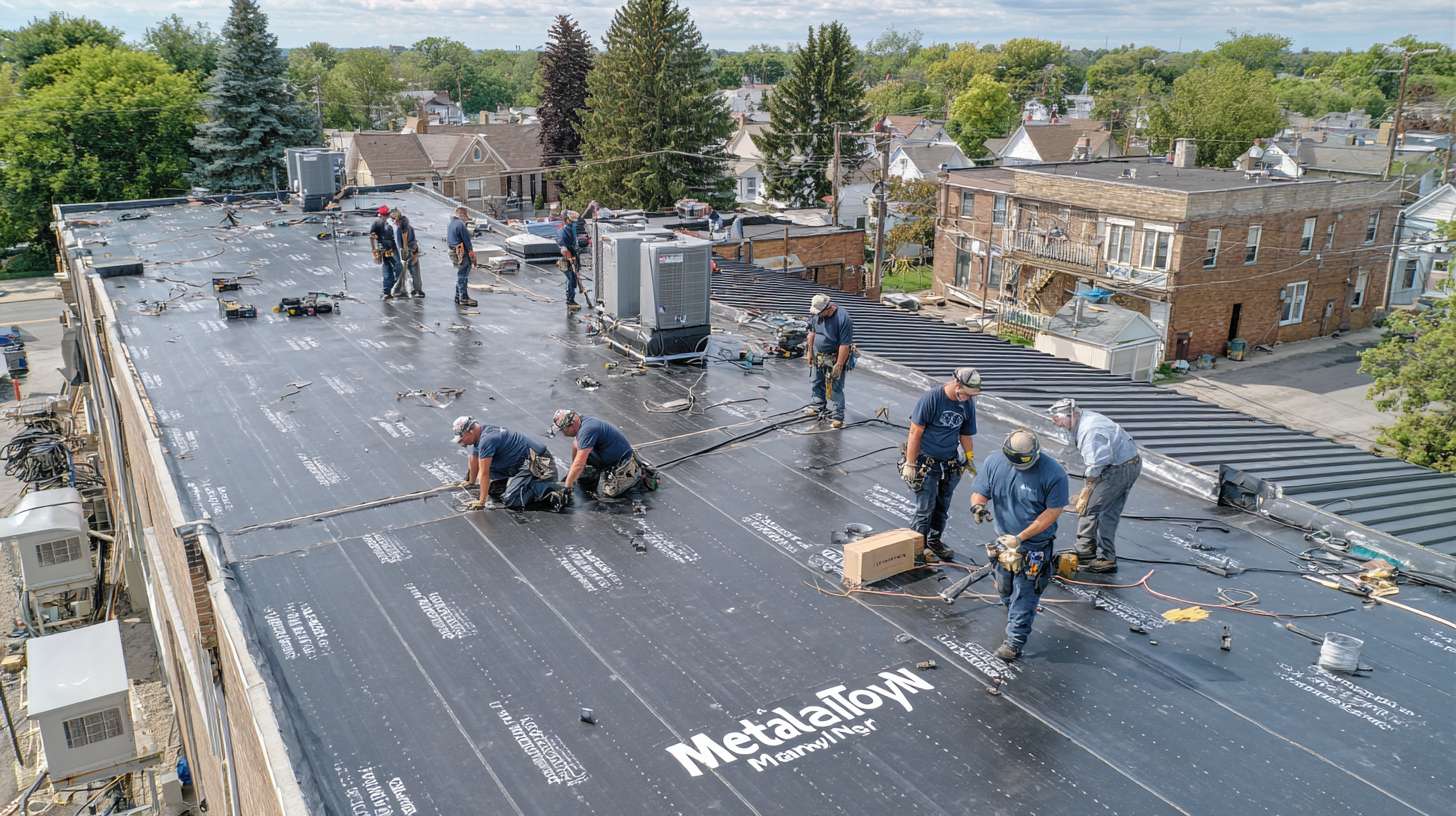
On a typical built-up or modified-bitumen flat roof breather vent installation in Nassau County, here’s my step-by-step process:
Step 1: Mark and prep the vent locations. I mark each spot with chalk or paint, making sure I’m not directly over fasteners, insulation board joints, or deck seams that could complicate the cut.
Step 2: Cut through the membrane layers. Using a sharp utility knife, I make a clean X-cut or circular cut through the roofing membrane down to-but not through-the insulation or deck. On multi-ply built-up roofs, this means cutting through all the felts and interply bitumen. The size of the cut matches the vent base diameter, typically 2 to 3 inches.
Step 3: Clean and dry the substrate. I peel back the cut membrane flaps, remove any loose gravel or debris, and make sure the substrate around the opening is clean and dry. If there’s wet insulation directly under the vent location, I’ll note it (that might indicate a bigger problem) but still proceed with installation since the vent’s job is to help dry things out.
Step 4: Apply base flashing and set the vent. For modified-bitumen systems, I heat-weld or cold-adhesive a base flashing square-usually a 12″×12″ piece of compatible membrane-directly to the cleaned substrate, leaving the center open where the vent will sit. The breather vent itself (a plastic or metal housing with a one-way vapor valve and weather cap) sets into this base, and I bed it in a thick bead of compatible mastic or roof cement to create a positive seal between the vent flange and the base flashing.
Step 5: Top-flash and seal. I cut a matching top flashing square with a hole slightly larger than the vent body, heat-weld or adhere it over the entire assembly (overlapping the base flashing by at least 3 inches on all sides), and then seal the perimeter where the flashing meets the vent body with another bead of mastic and a compression ring if the vent design includes one. The goal is a fully integrated flashing detail where water hitting the vent runs down the membrane and never finds a path inward.
Step 6: Final seal and test. I inspect every vent after installation to make sure there are no gaps, wrinkles, or fish-mouths in the flashing, and on critical projects I’ll do a flood test around new vents before leaving the site.
On single-ply TPO or EPDM roofs, the process is similar but uses membrane patches and compatible adhesives or welding instead of torch-applied bitumen. On coated roofs, I install vents before applying the coating system, then coat over the vent flashings so everything is sealed under the final waterproofing layer.
What Installation Actually Costs in Nassau County
Material cost for a single breather vent runs $8 to $18 depending on type-basic plastic vents with spring-loaded valves are cheap, while commercial-grade all-metal vents with replaceable filters cost more. The expensive part is labor, flashing materials, and the expertise to install them correctly.
| Project Type | Vent Count | Typical Nassau County Cost |
|---|---|---|
| Small residential flat roof (800-1,200 sq ft) | 4-8 vents | $320-$680 |
| Mid-size commercial roof (3,000-6,000 sq ft) | 12-20 vents | $960-$1,700 |
| Large commercial with moisture survey (10,000+ sq ft) | 25-40 vents | $2,100-$3,600 |
| Added during re-roof or overlay project | Per vent installed | $65-$95 each (included in mobilization) |
These prices assume proper flashing, compatible materials, and installation by a qualified commercial roofer. If you’re getting breather vents installed as a standalone project-meaning we’re mobilizing to your site just to add vents-expect to pay toward the higher end because you’re covering truck rolls, equipment, and minimum crew time. The most cost-effective time to install breather vents is during a scheduled re-roof, overlay, or coating project when labor and equipment are already on-site.
Breather Vents During Overlays and Re-Roofs: The Smart Timing
The absolute best time to add breather vents to a flat roof is when you’re already tearing into the system or adding new layers. On an overlay project in Levittown last spring-where the owner wanted to install modified bitumen over a 15-year-old built-up roof that still had good bones but showed minor blistering-we integrated 18 breather vents into the new membrane installation. The vents were positioned over old blister locations and spaced across the field in a grid that would allow any future moisture migration to find an exit path.
Because we were already heating and rolling new membrane, adding those vents took maybe 20 extra minutes per vent: cut the old roof, set the vent base, flash it with the same membrane we were already installing, and keep moving. The total upcharge was $85 per vent installed-a fraction of what it would cost to come back and retrofit them later, and it gave the building owner peace of mind that trapped moisture wouldn’t lift his new roof in three years.
During a full tear-off and re-roof, you don’t usually need breather vents in the traditional sense because you’ve removed all the old material and are starting with a dry deck. But if that deck is old wood plank with gaps, or if the building has chronic high humidity and no vapor barrier, I’ll sometimes install passive through-deck vents that allow vapor to escape from the building interior through the roof assembly without compromising the membrane. Those are different animals-more like controlled air paths than emergency moisture vents.
What Happens After Breather Vents Are Installed: Realistic Expectations
If breather vents are the right solution for your trapped-moisture problem, you won’t see overnight miracles but you should see gradual improvement over weeks to months. On that Oceanside warehouse roof I mentioned earlier, the blisters didn’t magically flatten the day after we installed 22 vents across the problem zones. But over the next two summers, as the roof went through heat cycles and the vents allowed vapor to escape, the “spongy” feel diminished and the worst blisters stopped expanding. We re-inspected at the three-year mark and the roof was holding stable-no new blistering, membrane still adhered, and the owner avoided a $140,000 tear-off by spending $1,850 on targeted vent installation and minor patching.
That’s the realistic outcome when you diagnose correctly and install properly: you arrest the problem, extend the roof’s service life, and buy yourself time to plan and budget for an eventual replacement on your terms rather than in emergency mode.
Breather vents will not:
- Fix active leaks or failed seams (those need membrane repair)
- Dry out saturated insulation quickly (if insulation is soaked, it may need replacement)
- Eliminate blisters that are already large and firmly adhered (existing blisters may stay visible even if vapor pressure is relieved)
- Replace proper drainage, flashing, or roof slope (water still needs to leave the roof through drains and scuppers)
They will give trapped vapor a controlled escape route, reduce pressure under the membrane, and prevent new blisters from forming if the underlying moisture source is vapor-driven rather than bulk water intrusion.
Nassau County Weather and Why Vapor Drive Matters Here
Nassau County sits in a climate zone where we get humid, hot summers (regularly into the upper 80s with 70%+ humidity) and cold winters with heated buildings below flat roofs. That’s a recipe for vapor drive-warm, moist air from inside the building wants to move toward the cold exterior in winter, and hot exterior conditions in summer can reverse that drive or cause moisture trapped in the assembly to expand and try to escape upward.
Older commercial buildings in places like Mineola, Freeport, and Hicksville often have minimal or degraded vapor barriers, sometimes no vapor barrier at all, which means interior humidity is constantly migrating into the roof assembly. Combine that with multiple roof overlays-a common cost-saving measure over the decades-and you have the perfect storm: moisture trapped between old and new roof layers with nowhere to go.
Breather vent installation on a flat roof addresses this specific problem by giving that vapor an intentional exit that doesn’t compromise the waterproofing. But it’s worth understanding that vents are one piece of a bigger moisture-management picture. If your building generates very high interior humidity-commercial kitchens, indoor pools, laundromats-and has no vapor barrier or exhaust strategy, adding breather vents to the roof will help but won’t solve the root cause. You’re still pumping moisture into the assembly faster than passive vents can evacuate it. In those cases, I recommend pairing roof vents with interior humidity control and considering a vapor barrier retrofit during the next major roof project.
Why DIY and Cheap Installations Create More Problems Than They Solve
I’ve repaired more botched breather vent installations than I care to count. The most common mistake: someone buys a handful of plastic vents off the internet, cuts holes in their roof with a hole saw, sticks the vents in with a tube of caulk, and calls it done. Six months later, every one of those vents is leaking because the flashing detail was inadequate, the caulk shrunk or cracked, and water found its way in around the vent flanges.
Breather vents are only as good as the flashing system that integrates them into your roof. That means compatible membrane materials, proper overlap, heat welding or solvent bonding (not just adhesive caulk), and understanding how water flows across the roof surface so you’re not creating dams or pockets where water can pool around vent bases.
On a modified-bitumen roof, that might mean torching a two-layer flashing detail with a granulated cap sheet top layer. On TPO, it requires hot-air welding membrane patches with a minimum 3-inch seam all around. On a built-up roof, it might mean embedding the vent flange in a full bed of hot asphalt and covering it with felt plies that tie back into the main roof system. None of that happens with a $4 tube of caulk and a prayer.
The other common error: installing too few vents or putting them in the wrong places. I’ve seen roofs where someone added four vents to a 5,000-square-foot building with 30 blisters scattered across the surface, placing all four vents near the access hatch because “that’s where they could reach easily.” Vapor doesn’t care about your ladder placement-it’s concentrating where physics and the building’s specific conditions drive it, and your vents need to be there too.
When to Call Platinum Flat Roofing for Breather Vent Installation
If you’re seeing blisters, bubbles, or soft spots on your Nassau County flat roof and you’re trying to figure out whether breather vents make sense or if you need a bigger intervention, that’s the conversation to have before you spend money on the wrong solution. We’ll start with a roof survey-visual inspection, moisture meter readings, and if needed an infrared scan-to determine whether trapped vapor is your issue or if there’s active water infiltration, saturated insulation, or structural problems underneath.
For buildings where flat roof breather vent installation is the right call-overlay projects, trapped-moisture scenarios, high-humidity facilities-we design a vent layout specific to your roof’s conditions, install with proper flashing details that match your membrane type, and provide realistic expectations about what the vents will and won’t accomplish. We also tie vent installation into broader roof maintenance and planning, because the goal isn’t just to sell you vents-it’s to extend your roof’s life, avoid emergency tear-offs, and give you a roadmap for the next five to ten years of that roof’s service.
Breather vents are a specialized tool. In the right scenario-trapped vapor, sound underlying structure, targeted installation-they’re remarkably effective and cost-efficient. In the wrong scenario, they’re expensive window dressing on a roof that needs real repair. Knowing the difference is what 18 years of cutting into Nassau County flat roofs and solving moisture problems has taught me, and it’s the expertise we bring to every project.