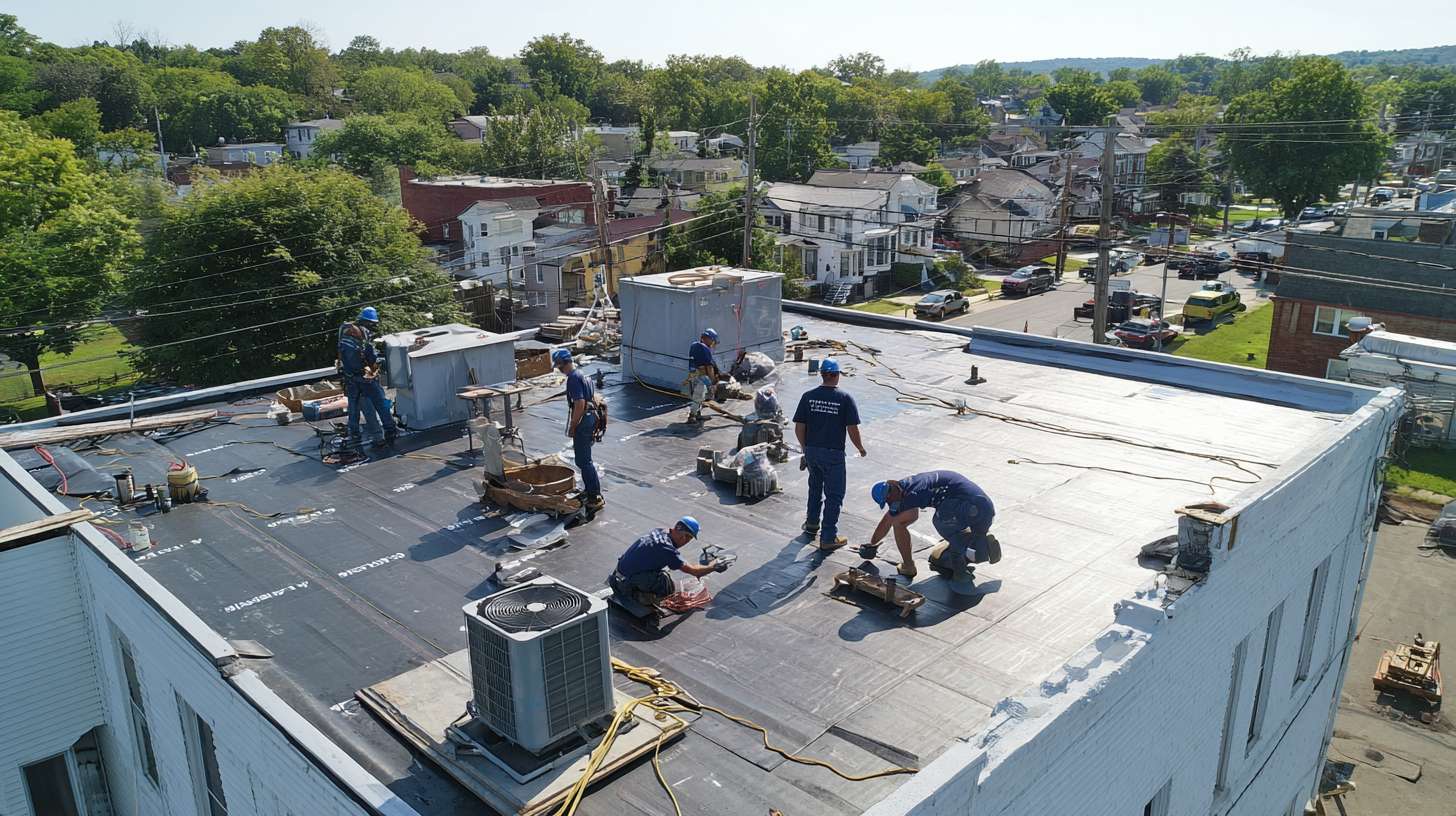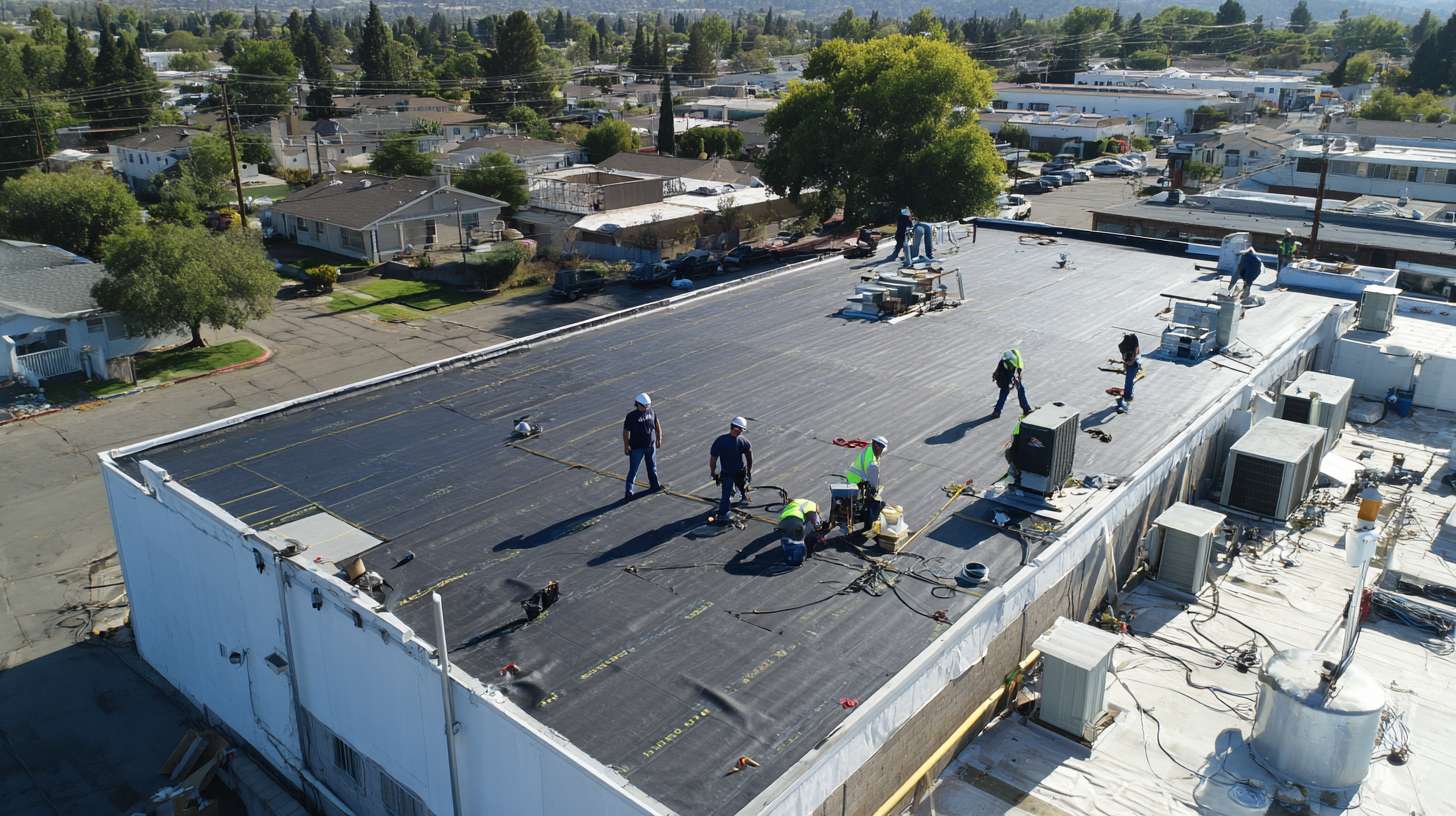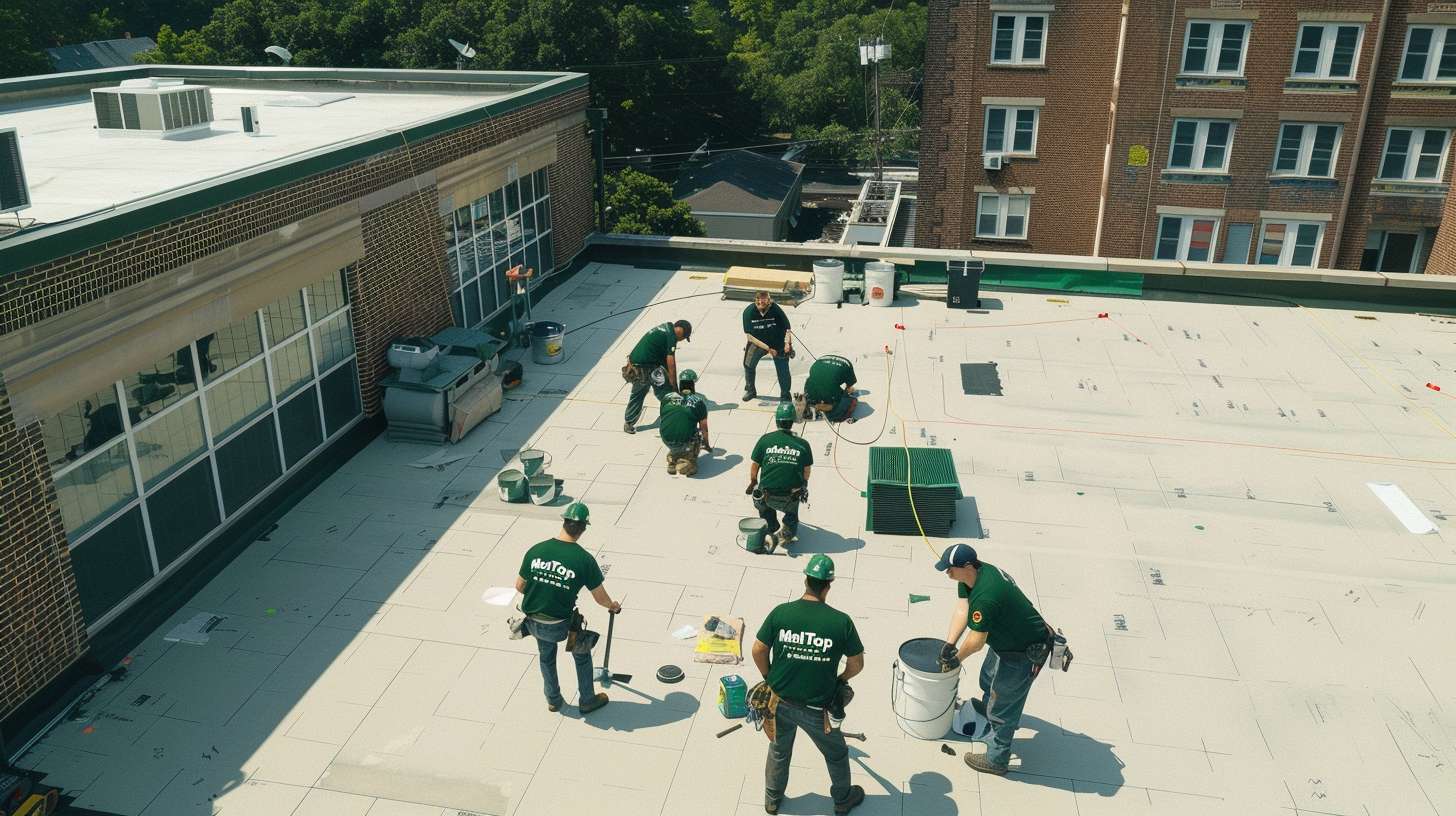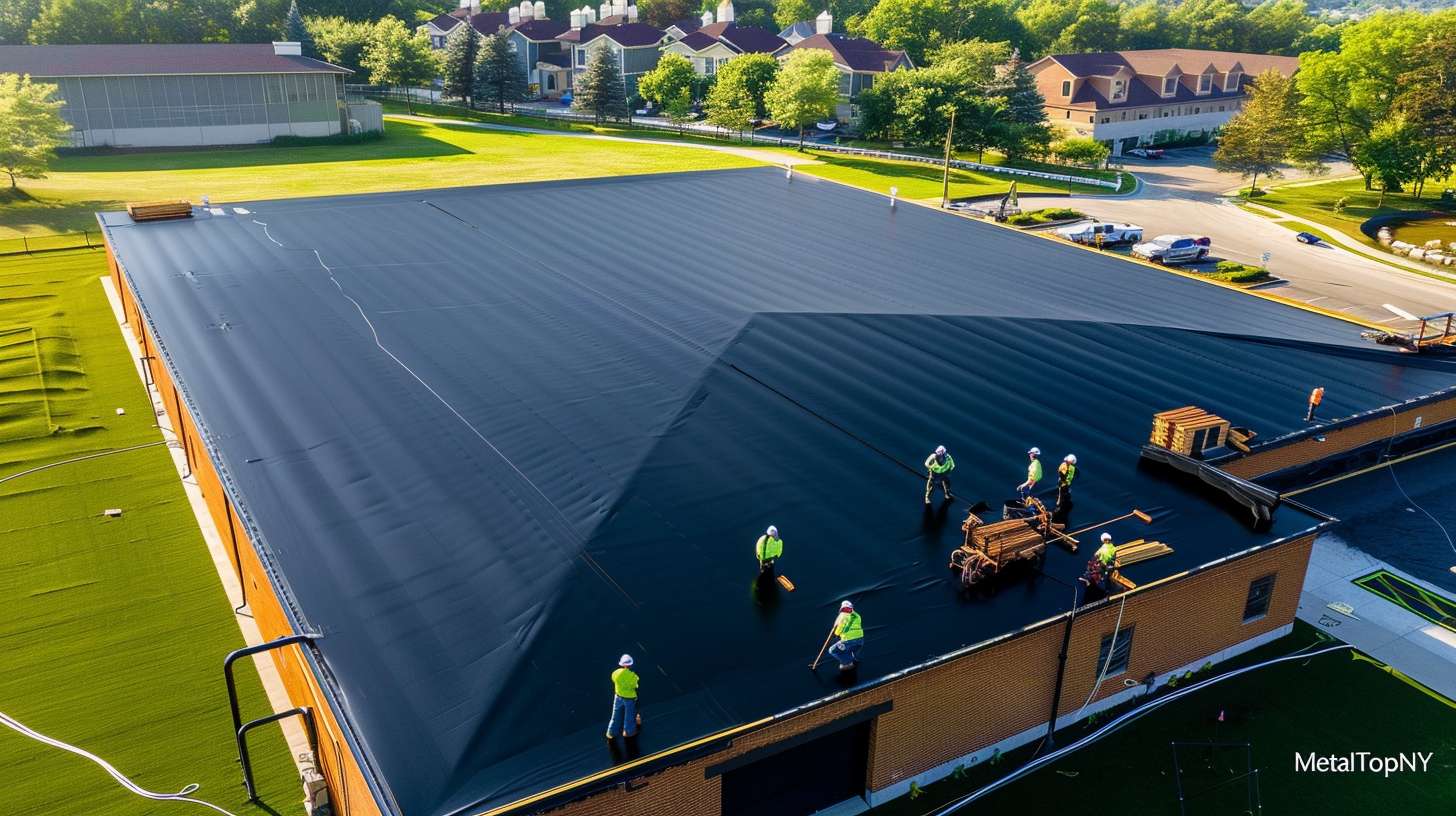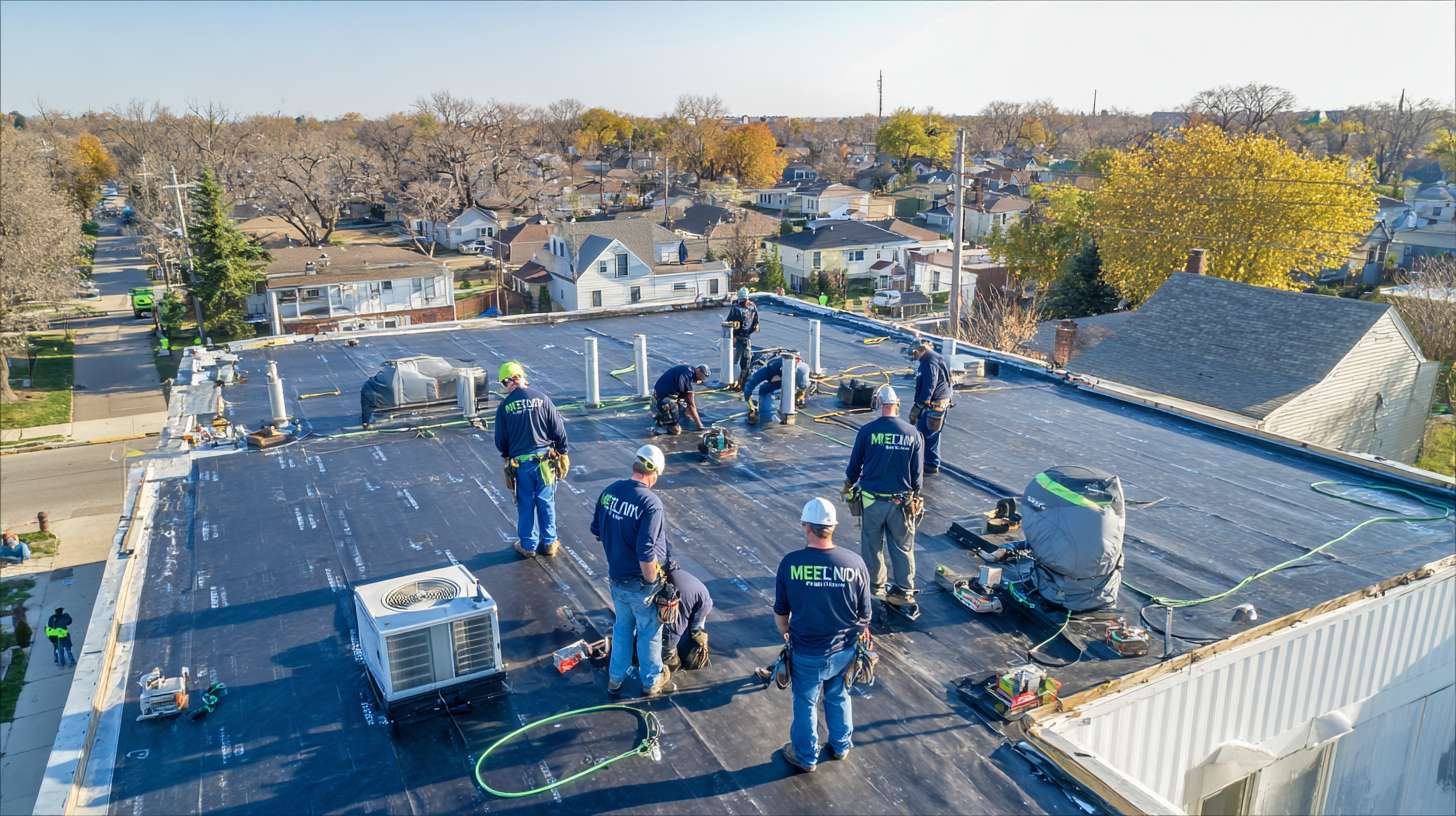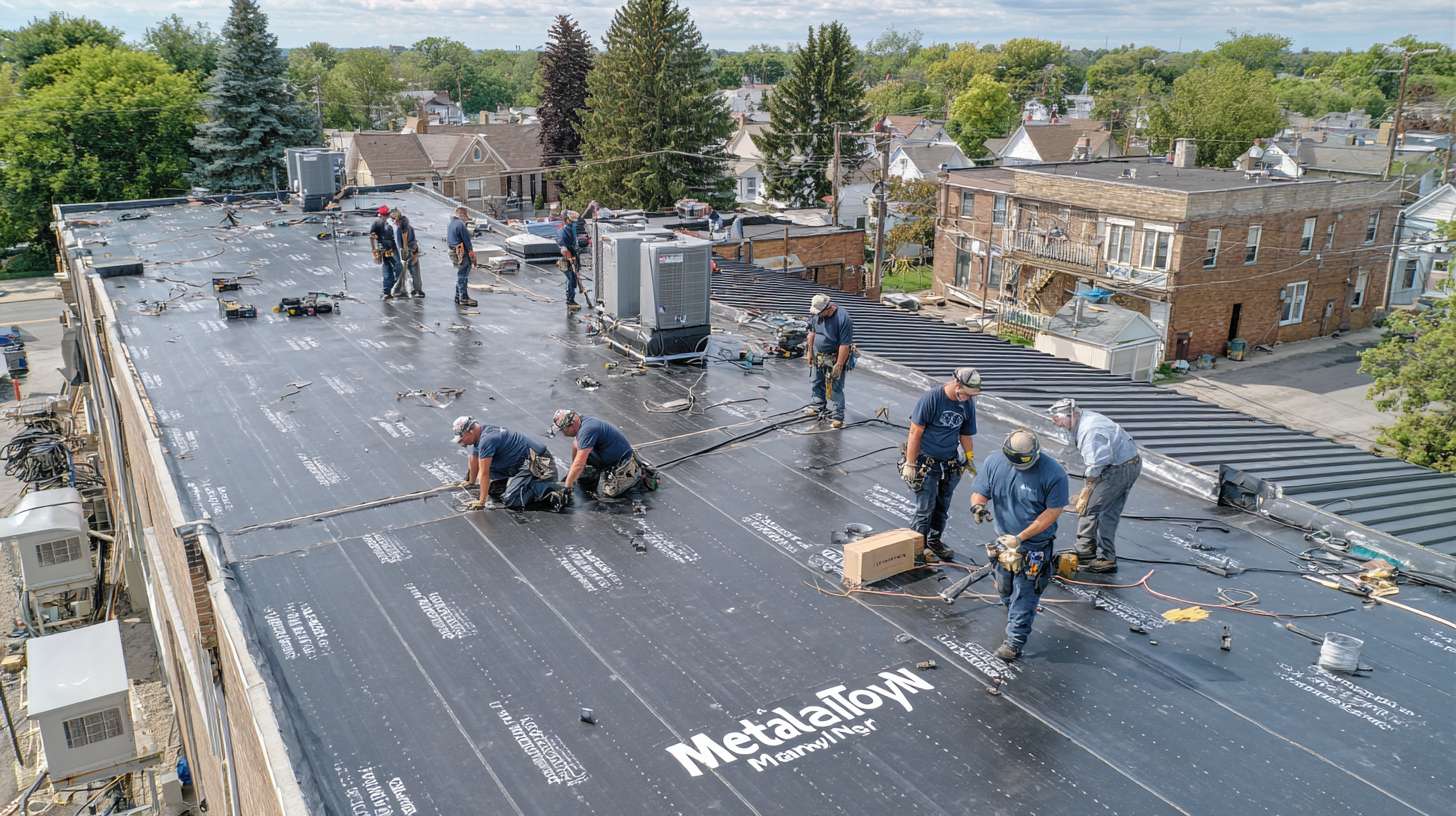
Expert Installing Fiberglass Flat Roofs in Nassau County
Most homeowners don’t realize that a fiberglass flat roof is essentially one seamless, hardened shell-exactly like the hull of a boat-which means it’s far less forgiving during installation than rubber membranes or torch-on systems. If the deck prep, weather conditions, or resin-to-catalyst mix aren’t exactly right on install day, you won’t get boat-grade waterproofing; you’ll get cracks, pinholes, and delamination within two years. This guide explains how professional fiberglass flat roof installation is sequenced across Nassau County so that you end up with a GRP (glass-reinforced plastic) roof that lasts 25-plus years, not one that fails before the warranty ink dries.
Why Fiberglass Installation Is So Sensitive (And Why That Matters)
I spent six years laminating boat hulls and decks in a Freeport boatyard before I ever touched a roof, and the skills are identical: controlling mix ratios, watching cure times, detailing edges and penetrations. The difference? A boat hull gets inspected by surveyors and Coast Guard-bad fiberglass doesn’t leave the shop. Roofs, on the other hand, get rushed installations on humid August days or by crews who think fiberglass is just “fancy paint over felt.” It’s not.
Fiberglass flat roofing-also called GRP roofing-is a cold-applied liquid system that cures into a single, monolithic membrane with no seams, no joins, and no vulnerability to ponding water if installed correctly. The process involves layering catalyzed polyester resin over reinforcing glass-fiber matting, building up thickness in multiple passes, then finishing with a pigmented topcoat that provides UV protection and color. The entire assembly becomes chemically bonded to itself and mechanically bonded to the roof deck below. When it’s done right, you have a roof surface harder than your car’s paint and just as waterproof as a fiberglass swimming pool shell.
But here’s the catch: every variable-deck flatness, ambient temperature, humidity, resin shelf life, mat overlap, roller pressure, cure timing between coats-affects final bond and durability. Rush one stage or ignore one prep step, and the entire system can delaminate, crack at stress points, or develop osmotic blisters. That’s why fiberglass flat roof installation on a 200 sq. ft. extension in Garden City takes a full day, not a half-day, and why the lowest quote is almost never the best value.
Is Your Roof a Good Candidate for Fiberglass?
Not every flat roof should be fiberglass. The system shines on smaller, geometrically simple roofs-extensions, porches, balconies, dormer roofs, commercial canopies-where you want decades of zero-maintenance performance and can afford the higher upfront cost. Typical range in Nassau County: $18-$26 per square foot installed, depending on access, detail complexity, and deck condition.
Best applications:
- Residential extensions and bump-outs: 100-400 sq. ft. roofs over kitchens, bathrooms, mudrooms-anywhere you want a seamless finish and permanent waterproofing.
- Roof terraces and balconies: GRP can be walked on (though proper roof-grade topcoat is essential), and the seamless surface means no membrane vulnerability at drains or perimeter edges.
- Bay windows and canopies: Small, visible roofs where aesthetics matter and you don’t want seams or patching showing.
- Small commercial roofs: Storefronts, service bays, equipment shelters-anything under 1,000 sq. ft. where long-term durability justifies cost.
Poor candidates: Large commercial roofs over 2,000 sq. ft. (material cost becomes prohibitive), roofs with significant movement or deflection (fiberglass is rigid and will crack), and roofs with complex pipe or HVAC penetrations that require constant access (cutting and patching fiberglass isn’t like patching rubber). If your roof has more than four penetrations or needs regular equipment service, TPO or EPDM may be more practical.
The Deck: Why Everything Starts Here
On a rear extension roof in Rockville Centre, the homeowner had budgeted for fiberglass but the existing deck was 3/4-inch tongue-and-groove pine laid 30 years earlier, warped in three places, with gaps you could see daylight through. We explained: fiberglass telegraphs every imperfection in the substrate. Unlike torch-on that can bridge minor dips or rubber that flexes over movement, GRP is a rigid shell. If the deck isn’t flat, smooth, and stable, the fiberglass will crack at every stress point within 18 months.
We tore off the old deck and installed fresh 18mm OSB3 (oriented strand board, grade 3) over the joists, which is the minimum spec for GRP systems. Some installers use 18mm exterior plywood, which is fine but more expensive and no more stable when properly installed. The key requirements:
- Rigid substrate: 18mm minimum thickness on joists at 16-inch centers (400mm); 22mm if joists are 24 inches apart.
- Smooth surface: No protruding screws, no splinters, no knots that will bleed resin or create voids.
- Properly fixed: Screws every 6 inches at edges, every 12 inches in the field-fiberglass bonds mechanically to the deck, so the deck must be immovable.
- Correct fall: Minimum 1:80 slope (about 1/4 inch per foot) to a gutter or edge outlet. Fiberglass doesn’t mind standing water the way rubber does, but proper drainage prevents dirt buildup and makes the roof easier to maintain.
If you’re building a new extension and planning fiberglass, tell your framer upfront: the deck needs to be dead-flat between joists and sloped in one plane to drainage. Any twist, bow, or multi-plane slope will show in the finished GRP surface.
Trims, Edges, and Perimeters: The Make-or-Break Details
I see more fiberglass failures at edges and penetrations than anywhere else. The reason is simple: every termination point-where the roof meets a wall, a gutter, a pipe, a vent-is a potential crack line if not detailed correctly. Fiberglass is incredibly strong in tension across its surface, but brittle at 90-degree angles and vulnerable wherever two materials meet.
Professional edge detailing uses three components:
- GRP trims: Pre-formed or site-fabricated fiberglass angles that create a smooth radius where the flat roof turns up the wall or down into the gutter. These are bonded to the deck and wall before the main mat goes down, creating a coved transition instead of a sharp corner.
- Drip edges: Metal or GRP drip trims at the roof edge that extend the fiberglass past the fascia and direct water cleanly into the gutter without back-siphoning or dripping down the wall.
- Upstands: Wherever the roof meets a vertical surface (wall, parapet, dormer cheek), the fiberglass must run at least 150mm (6 inches) up the wall and be mechanically fixed at the top with a termination bar, then flashed or rendered over. The upstand prevents water from tracking behind the GRP and provides expansion tolerance.
On a balcony roof in Manhasset last spring, the previous installer had simply run the fiberglass flat to the brick wall and caulked the joint. Within one winter, the caulk had split, water had tracked behind the GRP, and the entire perimeter edge had delaminated. We cut back the damaged material, installed proper GRP corner trims with 8-inch upstands, and mechanically fixed the top edge with stainless bar and sealed it under new flashing. The repair cost more than doing it right the first time would have.
The Laminate Build-Up: Mat, Resin, and Thickness
This is where the marine background matters most. A proper fiberglass flat roof is not one layer of resin poured over felt; it’s a laminate stack built in stages with specific cure windows between coats. Standard specification for foot-traffic roofs:
| Layer | Material | Purpose |
|---|---|---|
| Base coat | Catalyzed polyester resin | Seals the deck, provides mechanical bond |
| First mat | 450g/m² chopped strand mat (CSM) | Structural reinforcement, tensile strength |
| Wet-out coat | Resin, rolled to saturation | Impregnates the mat, bonds layers |
| Second mat | 450g CSM, overlapped 50mm | Builds thickness, covers seams |
| Final wet-out | Resin, consolidated smooth | Fills weave, prepares for topcoat |
| Topcoat | Pigmented polyester resin + wax | UV protection, color, walkable surface |
Total dry film thickness: 3-4mm. That’s thicker than most rubber membranes and exponentially stronger in puncture resistance. The process takes 6-8 hours for a typical 200 sq. ft. roof because each resin layer must reach “green cure”-tacky but not wet-before the next layer goes down. Apply the second mat too soon and you trap solvents that cause blistering; wait too long and the layers won’t chemically bond.
Weather Windows and Cure Chemistry
Here’s what most Nassau County homeowners don’t know: fiberglass flat roof installation has a narrow weather window. Ideal conditions are 15-25°C (60-77°F), relative humidity under 70%, no rain in the forecast for 24 hours, and no dew expected overnight. Why?
The resin cures via an exothermic (heat-releasing) chemical reaction triggered by MEKP catalyst-methyl ethyl ketone peroxide, the same hardener used in auto body filler. The reaction rate is temperature-dependent: too cold (below 10°C/50°F) and it won’t cure properly; too hot (above 30°C/86°F) and it cures so fast you can’t work it smooth or get proper mat wet-out. High humidity slows the cure and can cause a surface bloom (waxy haze) that prevents the topcoat from bonding.
On a commercial canopy job in Valley Stream two summers ago, we started laminating at 7 a.m. because the forecast called for 88°F by noon. Even with fast-catalyst resin, the afternoon heat accelerated cure so much that the final mat layer kicked off (hardened) before we could fully consolidate it with rollers. We had to sand the entire surface and apply an additional resin coat to fill voids. The lesson: respect the chemistry. If your installer shows up in January or starts laying resin at 3 p.m. on a July afternoon, that’s a red flag.
Corners, Outlets, and Penetrations: Where Skill Shows
Every roof has details-internal corners where walls meet, external corners at parapets, overflow outlets, soil vent pipes, electrical conduits. Each one is a potential weak point if not reinforced. Professional technique:
Internal corners (roof-to-wall joints): Install a GRP trim or build a coved radius with resin paste, then double-mat the corner with overlapping strips of CSM cut at 45 degrees. This “bandage layup” distributes stress and prevents cracking at the angle change.
Outlets and drains: The outlet flange must be bonded under the base coat, with the mat cut tight around the rim and sealed with multiple resin layers. Then a stainless outlet grate is screwed down through the cured laminate. I see too many installations where the outlet is just dropped into a hole and caulked-that will leak within a year.
Pipe penetrations: For vent pipes or conduits, we cut the mat in a star pattern, wrap it up the pipe, and build a collar with resin and CSM at least 75mm high. Then a proper GRP or lead boot goes over the collar and is bonded into the main laminate. No silicone, no mastic-only structural laminate.
On a dormer roof in Westbury, the homeowner called us because water was dripping from the ceiling around the bathroom vent stack. The original installer had simply smeared resin around the pipe and called it done. We stripped back to the deck, built a proper bonded collar, and installed a factory-made GRP vent boot. It took three hours; it should have been done right the first time in 45 minutes.
The Topcoat: More Than Just Color
The final layer isn’t decorative-it’s functional. GRP topcoat is a pigmented polyester resin mixed with paraffin wax, which rises to the surface during cure and creates a tack-free, UV-stable finish. Without topcoat, raw cured resin will chalk and degrade in sunlight. With proper topcoat, the surface resists UV, foot traffic, and chemical exposure for decades.
Standard colors in Nassau County: grey, white, black, terracotta. Custom colors are available but cost more and may require special order. Application is straightforward-brush or roller-but timing is critical. The topcoat must go on while the final wet-out layer is still in its cure window (tacky, not hard), so the two layers chemically bond. Miss that window and you’ll have delamination or a surface that peels under foot traffic.
Topcoat thickness: 0.5-1.0mm. Too thin and you don’t get UV protection; too thick and it can crack or peel. We apply topcoat in two passes, allowing 2-4 hours flash-off between coats, then restrict foot traffic for 24 hours and full cure for 48-72 hours depending on temperature.
How Long Does a Fiberglass Flat Roof Last?
Properly installed GRP roofs in Nassau County routinely last 25-30 years with zero maintenance beyond occasional cleaning. I’ve inspected 15-year-old roofs in Oceanside and Long Beach-exposed to salt air, freeze-thaw, full sun-that show no cracking, no delamination, no ponding, and only minor surface scratches from ladder contact.
The system doesn’t rot, doesn’t support algae growth, doesn’t require re-coating or seam sealing, and isn’t damaged by standing water. The only wear mechanism is UV degradation of the topcoat, which can be refreshed with a new topcoat layer every 15-20 years if desired-a half-day job costing $4-6 per square foot.
Compare that to torch-on felt (10-15 year life, seam failures common), EPDM rubber (15-20 years, seam tape and flashing failures), or modified bitumen (12-18 years, puncture and traffic damage). The higher install cost of fiberglass-$18-26/sq. ft. versus $8-15 for rubber-is recovered in longevity and eliminated maintenance.
What to Watch for During Installation
If you’re having fiberglass flat roof installation done on your Nassau County home, here’s what you should see on site:
- Deck inspection and prep: Installer checks flatness, fixes any high spots, replaces soft or damaged boards, ensures proper screw spacing.
- Pre-formed trims in place: GRP edge and corner trims installed and cured before main laminate starts.
- Grey mat visible: You should clearly see the white or grey chopped strand mat being laid down, wetted out with clear resin, and rolled smooth. If the installer goes straight from deck to colored topcoat, you’re not getting a real fiberglass roof-you’re getting a resin coating with no structural reinforcement.
- Multiple resin stages: Base coat, first mat, wet-out, second mat, wet-out, topcoat. Each layer should be distinct and allowed to cure to the correct stage before the next goes on.
- Clean rollers and tools: Laminating rollers should be clean and used to consolidate the mat, removing air bubbles and ensuring full wet-out. Dirty or resin-caked tools mean poor consolidation and trapped voids.
- Weather awareness: Professional installers check temperature and humidity, adjust catalyst ratios accordingly, and won’t start in questionable conditions.
If your installer shows up alone (GRP installation is always a two-person job-one mixes, one lays and rolls), uses automotive body filler resin instead of roofing-grade polyester, or rushes layers without waiting for cure, stop the job and call someone else. A bad fiberglass roof can’t be easily repaired-you usually have to strip it and start over.
Why We Treat Every Roof Like a Boat Hull
After 12 years installing fiberglass roofs across Nassau County-extensions in Garden City, balconies in Great Neck, commercial canopies in Hicksville-I still approach every job the same way I learned in the boatyard: if I wouldn’t trust this laminate on a 30-foot hull in a winter storm, it doesn’t belong on someone’s house. That means correct resin ratios, full mat wet-out, proper edge details, respect for cure chemistry, and zero shortcuts.
Fiberglass flat roofs are the best long-term solution for small residential and light commercial roofs when installed correctly. They’re seamless, incredibly durable, maintenance-free, and repairable if damaged. But they’re unforgiving during installation-every detail matters, every stage has a correct sequence, and the chemistry doesn’t negotiate.
If you’re considering fiberglass flat roof installation in Nassau County, make sure your contractor can explain the laminate build-up, show you previous jobs you can inspect, and commit to proper deck prep and weather-appropriate scheduling. The investment is higher than rubber or felt, but the result-done right-is a roof that outlasts everything around it and never needs another thought.
For detailed assessment of your roof’s suitability for GRP, deck evaluation, or to discuss specific detail challenges, Platinum Flat Roofing brings marine-grade installation standards to every residential and commercial fiberglass project across Nassau County.