
Which Flat Roof Type Is Right for Your Nassau County Home?
Home / Which Flat Roof Type Is Right for Your Nassau County Home?
Choosing the Right Flat Roofing System for Your Property
Not all flat roofs are built the same. The system you choose affects how long your roof lasts, how much energy you’ll save, and what maintenance you’ll face down the road. Nassau County’s weather-salt air, snow loads, temperature swings-demands materials that can handle real-world stress without constant repairs.
We install every major flat roofing system and help property owners match the right material to their building type, budget, and long-term goals. Here’s what you need to know about each option.
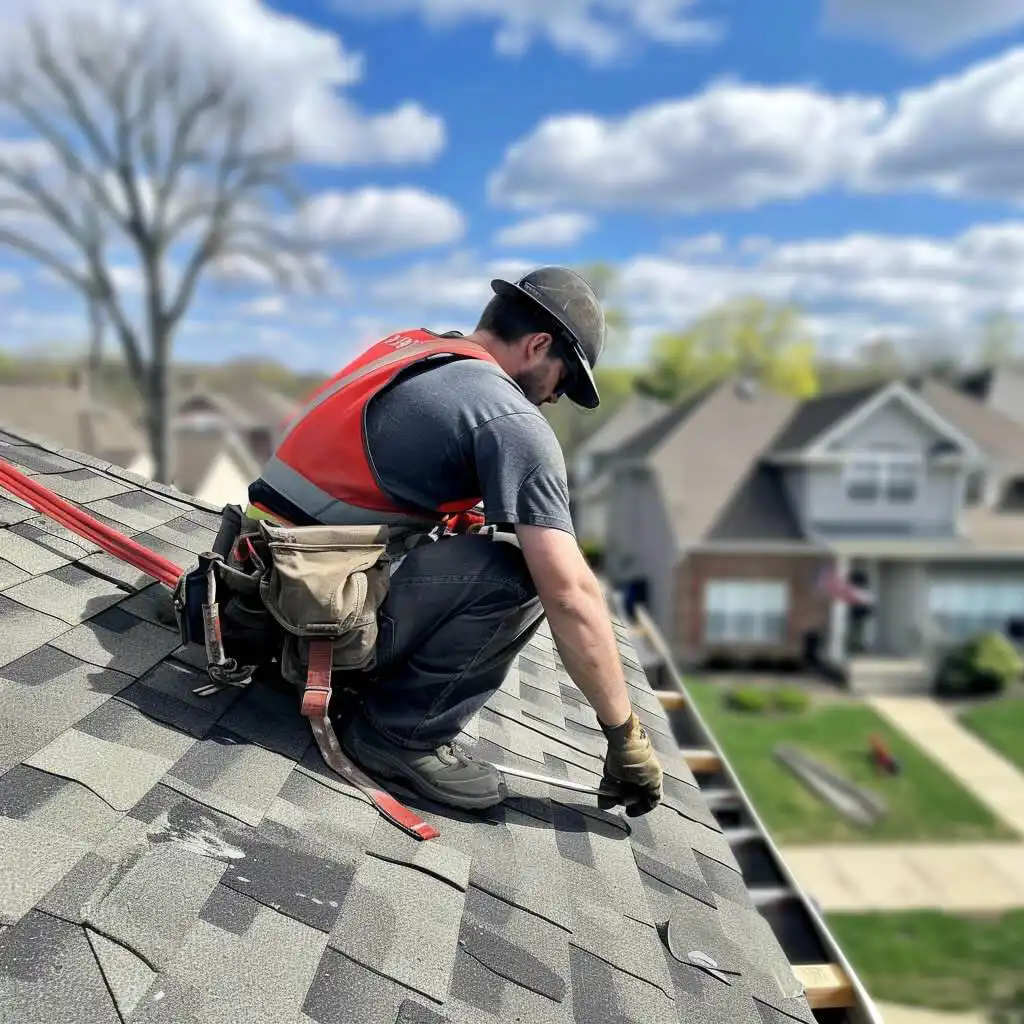
Understanding Modern Flat Roofing Solutions
Single-ply membranes revolutionized flat roofing by offering lightweight, durable alternatives to traditional built-up systems. These materials arrive in large rolls, reducing seams and installation time while delivering strong waterproofing performance across commercial and residential properties.
Flat Roof Types
Heat-welded seams create watertight bonds that outlast adhesive methods. TPO’s white reflective surface reduces cooling costs during Long Island summers and resists UV damage, mold growth, and punctures. Popular for commercial buildings, warehouses, and retail properties where energy efficiency matters.
This synthetic rubber membrane handles temperature extremes without cracking or shrinking. EPDM costs less than TPO or PVC while delivering 20+ years of reliable performance. Easy repairs and proven durability make it ideal for apartment buildings, schools, and residential flat roofs where budget and longevity both matter.
Chemical-resistant and fire-rated, PVC roofing stands up to grease, oils, and harsh conditions that destroy other membranes. Restaurants, hospitals, and industrial facilities benefit from PVC’s superior resistance to damage. Heat-welded seams and strong warranties make it the premium choice for demanding applications.
Multi-layer construction uses asphalt-modified sheets reinforced with fiberglass or polyester. Often installed with torch-down methods, modified bitumen delivers excellent waterproofing and handles foot traffic better than single-ply systems. Works well for buildings needing rooftop access or mechanical equipment placement.
Traditional tar-and-gravel systems layer hot asphalt with reinforcing fabric to create thick, durable membranes. BUR handles heavy foot traffic and provides natural fire resistance. While installation takes longer than modern systems, many Nassau County buildings still rely on built-up roofing for its proven track record and repairable design.
Specialty Systems
Living roof systems combine waterproofing membranes with drainage layers, growing medium, and vegetation. Green roofs reduce stormwater runoff, improve insulation, and extend membrane life by protecting it from UV exposure and temperature fluctuations.
Rigid foam insulation boards installed above or below the membrane improve energy efficiency and reduce heating costs. Critical for climate-controlled buildings like offices, medical facilities, and multi-family housing where energy expenses impact operating budgets.
Making the Right Choice
Every building has different requirements. We assess your roof’s slope, drainage, structural capacity, and usage patterns before recommending materials. Whether you need budget-friendly EPDM for a residential property or premium PVC for a commercial kitchen, we’ll explain the trade-offs and help you make an informed decision.
Ready to discuss your flat roofing options? Contact Platinum Flat Roofing for a free consultation and material recommendation based on your specific needs.
Trusted Flat Roofing Services Throughout
Nassau County
Platinum Flat Roofing serves residential and commercial properties across Nassau County with expert flat roof repair, installation, and maintenance.