“`html
Adding Second Floor on Flat Roof: Nassau County Experts
Can you really build a second floor on top of your flat roof in Nassau County-and if so, what has to change structurally and with the roof to make it safe and legal? The short answer: sometimes yes, sometimes absolutely not. Whether you’re looking at a 1950s ranch in Levittown or a mid-century split on Long Island’s south shore, building on top of a flat roof or flat roof extension isn’t just about stacking lumber and drywall. It’s about understanding whether your foundation, walls, and existing framing were ever designed to carry a second story-and how to handle the flat roof itself, which was engineered as a finished ceiling with waterproofing on top, not as a structural floor for an entirely new level.
This guide walks you through the real structural, zoning, and waterproofing decisions you’ll face when adding a second floor on a flat roof in Nassau County, so you can separate realistic projects from expensive mistakes before you commit to blueprints.
The Structural Reality: Your Flat Roof Wasn’t Built to Hold a House
Here’s the first hard truth about building a second floor on a flat roof: the existing structure was never engineered to support one. A typical flat roof on a Nassau County ranch or one-story home is designed to handle dead loads (the weight of the roof membrane, insulation, and decking-usually 10-15 pounds per square foot) and live loads (snow, rain, people walking during maintenance-20-30 psf in most residential zones). That’s it.
When you add a full second story, you’re suddenly asking that same structure to support:
- The weight of new floor joists, subfloor, and finish flooring
- Interior walls, often framed with 2x4s or 2x6s on 16-inch centers
- Drywall ceilings and walls
- Furniture, people, stored belongings-residential live load code calls for 40 psf in bedrooms and living spaces
- A brand-new roof assembly on top of everything else
You’re easily adding 50-80 pounds per square foot-sometimes more-on a system that was engineered for 30. On a ranch I worked on in Westbury back in 2018, the homeowner had sketched out a three-bedroom second floor on graph paper and assumed the builder could “just frame it on top.” The structural engineer’s report came back with a blunt summary: the existing 2×6 ceiling joists, 16 inches on center, were rated to hold a ceiling and roof. Period. To carry a floor, those joists would have had to be 2x10s minimum, on 12-inch centers, tied to beams that were themselves sized for a two-story load path down to the foundation. The foundation itself-poured in 1962 with no consideration of a future second story-wasn’t wide or deep enough to handle the added vertical load without settling or cracking.
Before you can frame even one stud wall upstairs, a licensed structural engineer needs to evaluate three things: your foundation (footing width and depth, soil bearing capacity, any existing cracks or settlement), your exterior and interior load-bearing walls (are they solid masonry, wood-framed with adequate studs and plates, or something in between?), and your existing flat roof framing (joist size, spacing, span, and connection to the walls). In Nassau County, this isn’t optional-the building department will not issue a permit for a second-story addition without sealed structural drawings and calculations showing that the existing home can carry the new load or detailing exactly how you’ll reinforce it.
Can You Build on a Flat Roof Without Major Reinforcement?
Sometimes, yes-but only under specific conditions. The only scenarios where building on top of a flat roof works without tearing down to the studs or pouring new footings are:
- The home was originally designed for future expansion. Some mid-century architects in Nassau County designed ranches with over-engineered foundations and wall framing, anticipating that owners would add a second floor later. If you have original plans showing that intent-or an engineer confirms the existing structure meets or exceeds two-story code minimums-you may be able to proceed with minimal reinforcement.
- You’re only building on a small flat roof extension. A one-story addition-say, a 12×16-foot family room with a flat roof added in the 1980s-might have been built with beefier framing because it was newer construction and the contractor used modern lumber sizing. Even then, you’re not building a full bedroom suite; you’re limited to storage, a small office, or a single compact space. And the engineer still has to verify capacity.
- You’re willing to add sister joists, beams, and foundation underpinning. This is the middle-ground option. Instead of demolishing walls, you run new beams parallel to existing ceiling joists, attach them with bolts and structural hangers, add posts down through the first floor (hidden in closets or walls), and pour new footings under those posts in the basement or crawlspace. It’s invasive, it’s expensive ($35,000-$65,000 in structural work alone on a typical Nassau County project), but it lets you keep the existing home mostly intact while upgrading the bones to handle the second floor.
On a Massapequa Cape back in 2016, we went the sister-joist route. The homeowner wanted to turn the attic into two real bedrooms, but the existing 2×6 rafters wouldn’t cut it as floor joists. We installed 2×10 sisters alongside every other rafter, bolted them together with half-inch lag screws every 16 inches, and added a steel beam down the center of the house to pick up the midspan. That beam bore on two new columns that ran down through the first-floor closets into new concrete footings we poured in the crawlspace. The whole structural package added about $48,000 to the project, but it meant we didn’t have to gut the first floor or disturb the existing masonry chimney.
Nassau County Zoning and Height Limits: What’s Actually Allowed?
Even if your structure can handle a second floor, Nassau County zoning and your local village or town code will dictate whether you’re allowed to build it. Height limits are the first constraint. Most single-family residential zones in Nassau County permit a maximum building height of 30 to 35 feet, measured from average grade to the highest point of the roof. If your existing ranch sits at 12 feet to the roofline and you add a second floor with 8-foot ceilings, you’re now at 20 feet to the top of the second-floor ceiling-add a new roof structure with a 4/12 pitch and you’re at 26 to 28 feet total. You’re probably fine.
But if your home already sits higher-maybe it’s on a raised foundation because you’re in a flood zone near the south shore-or if your lot slopes and “average grade” is calculated generously, you might hit the 35-foot cap before you finish framing. I’ve seen projects in Oceanside and Island Park where homeowners had to switch from a pitched roof to a modern flat or low-slope roof on the second story just to stay under the height limit. In one case, we designed a parapet flat roof with a 1/4:12 slope and internal drains; it saved four feet of height and let the project move forward.
Beyond height, you have Floor Area Ratio (FAR) and lot coverage limits. FAR is the ratio of total building square footage to lot size. In many Nassau County residential zones, FAR caps out at 0.30 to 0.40, meaning on a 6,000-square-foot lot, you can build a maximum of 1,800 to 2,400 total square feet of living space across all floors. If your existing ranch is already 1,600 square feet and you want to add 1,000 square feet upstairs, you’re over-unless you demolish part of the first floor or apply for a variance, which is a months-long process with no guarantee of approval.
Setbacks matter too. Some towns require that any addition-even a vertical one-meet current side-yard and rear-yard setback rules, which may be stricter than what was required when your home was built. If your ranch sits three feet from the property line and the current code requires five, adding a second story might technically be expanding a nonconforming structure, triggering a need for a variance or zoning board review.
What Happens to the Existing Flat Roof?
This is where most DIY plans and even some contractors get it wrong. Homeowners think, “The flat roof is there, it’s solid, we’ll just build the floor on top of it and save money.” That logic fails for two reasons: structural and waterproofing.
Structurally, the existing flat roof membrane-whether it’s EPDM rubber, TPO, built-up tar and gravel, or modified bitumen-is installed over roof decking (plywood or OSB) that’s nailed or screwed to ceiling joists. Those joists are not floor joists. They’re typically 2×6 or 2×8 members sized to support the roof and ceiling only. When you frame a second-story wall on top of that decking, you’re loading the roof structure in a way it was never intended to handle. Even if the joists don’t immediately sag or crack, the deflection-the amount they bend under load-will exceed code limits. You’ll get bouncy floors, cracked drywall on the first-floor ceiling, and in extreme cases, structural failure during a snow load event (Nassau County can see 20-30 inches of wet snow in a single storm, adding 15-25 psf of live load on top of everything else).
From a waterproofing perspective, the existing flat roof membrane is designed to keep water out of the house. Once you start framing walls and floors on top of it, that membrane becomes trapped inside your building envelope. You’re no longer maintaining it, you can’t re-coat it, and if it ever leaks-say, from a puncture caused by a framing nail or a seam failure after years of thermal cycling-you’ll have water intrusion between your first-floor ceiling and second-floor subfloor. You won’t see it until you have staining, mold, or rot, and fixing it means tearing apart your second story.
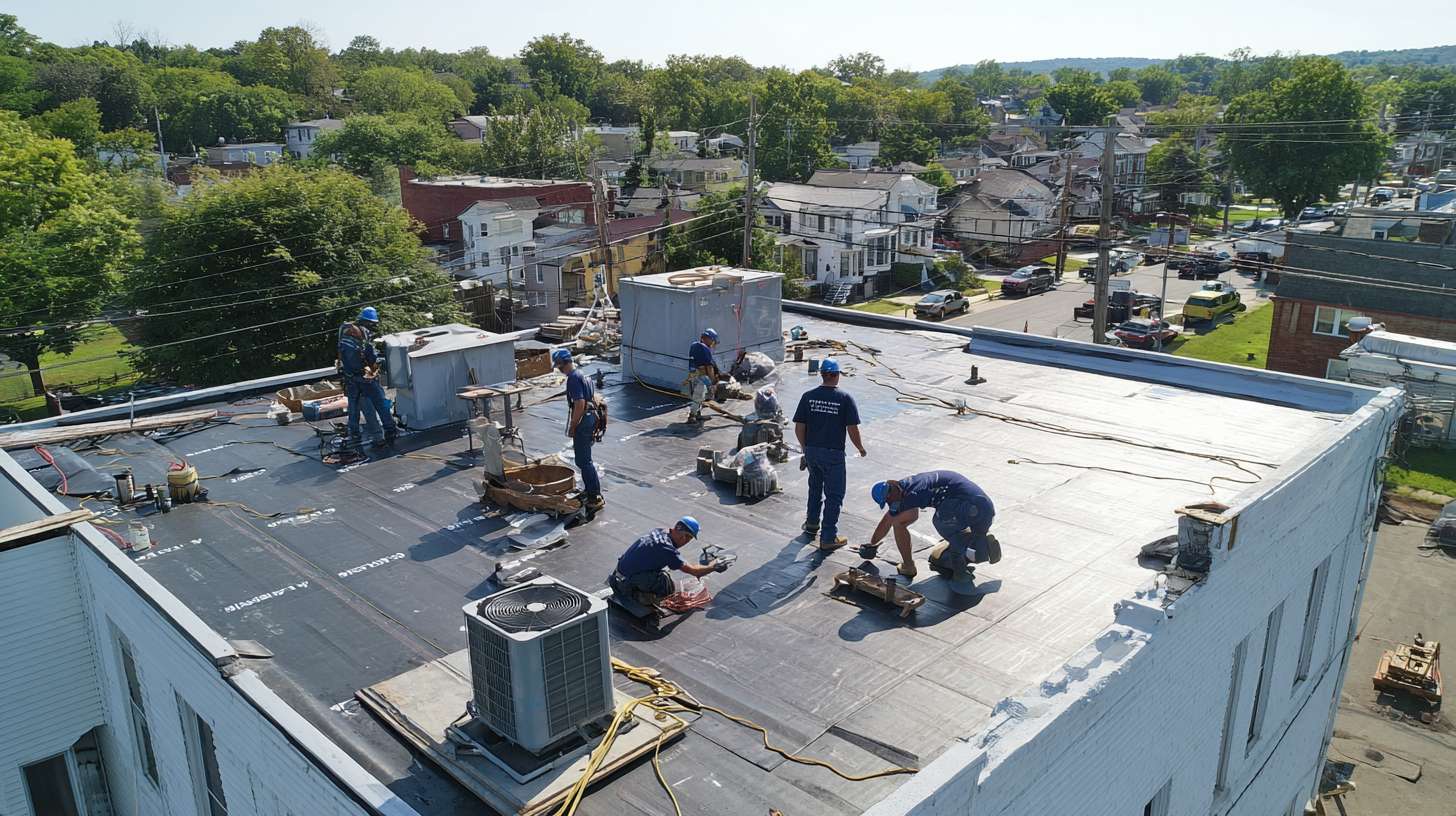
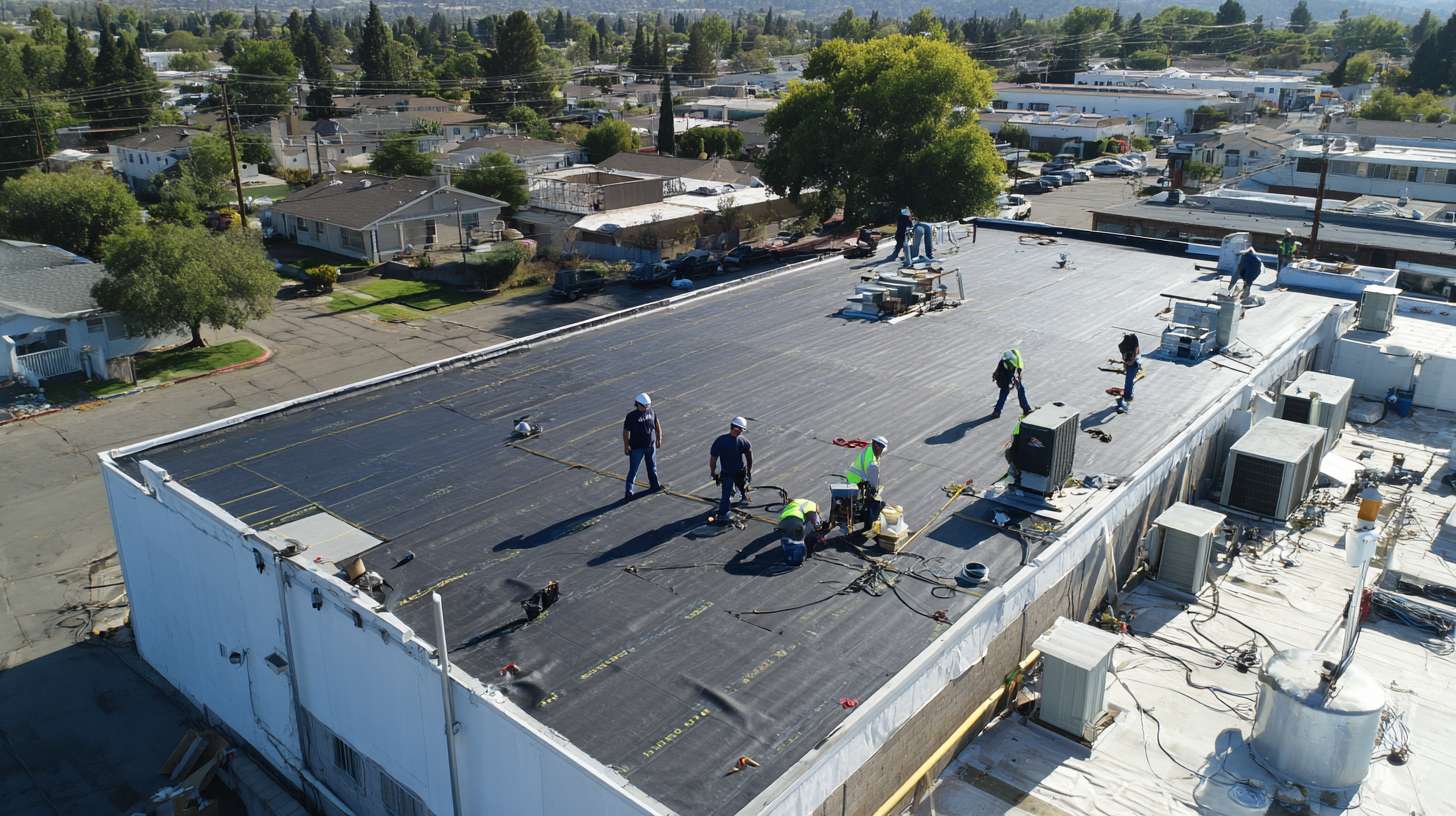
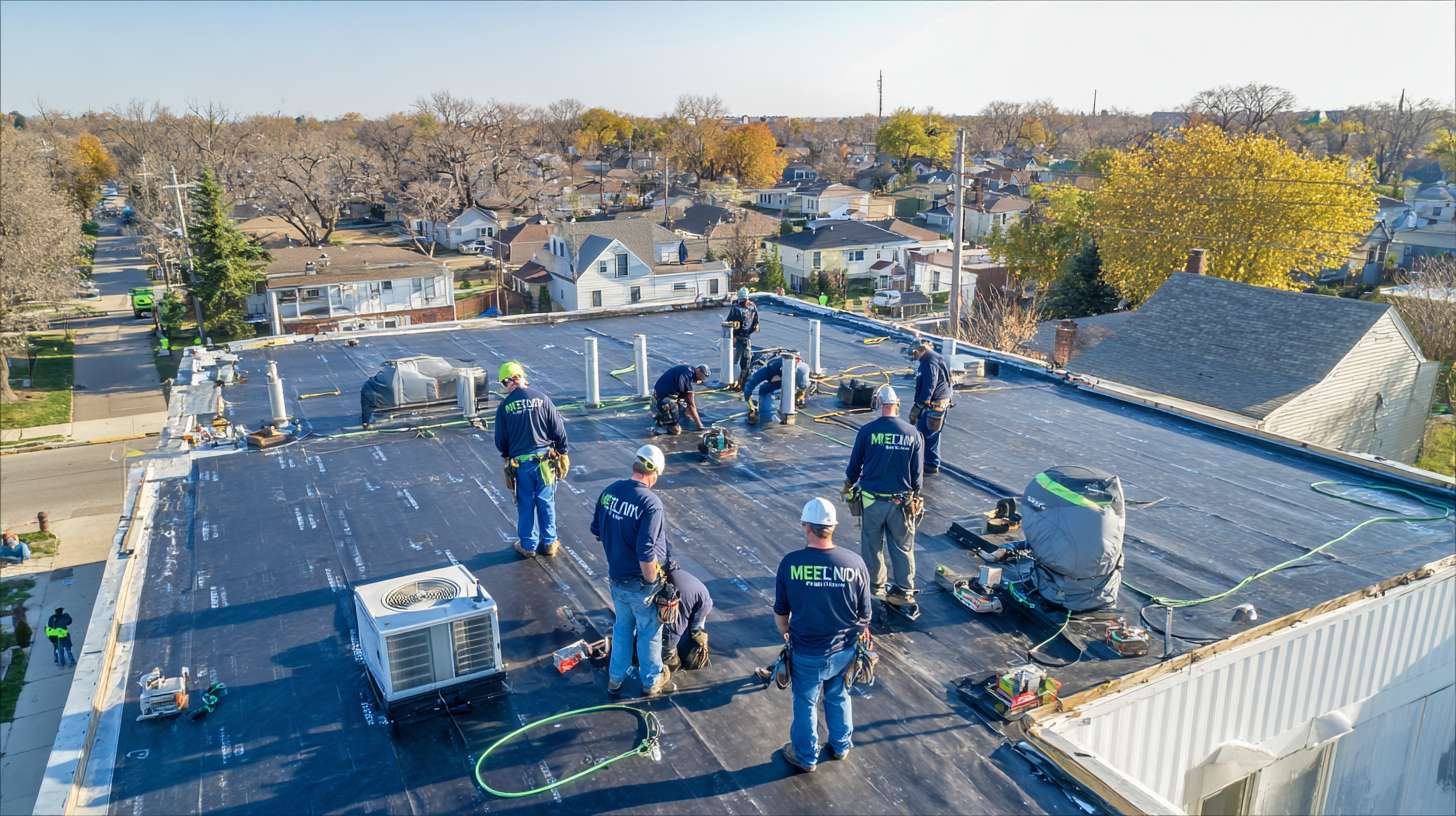
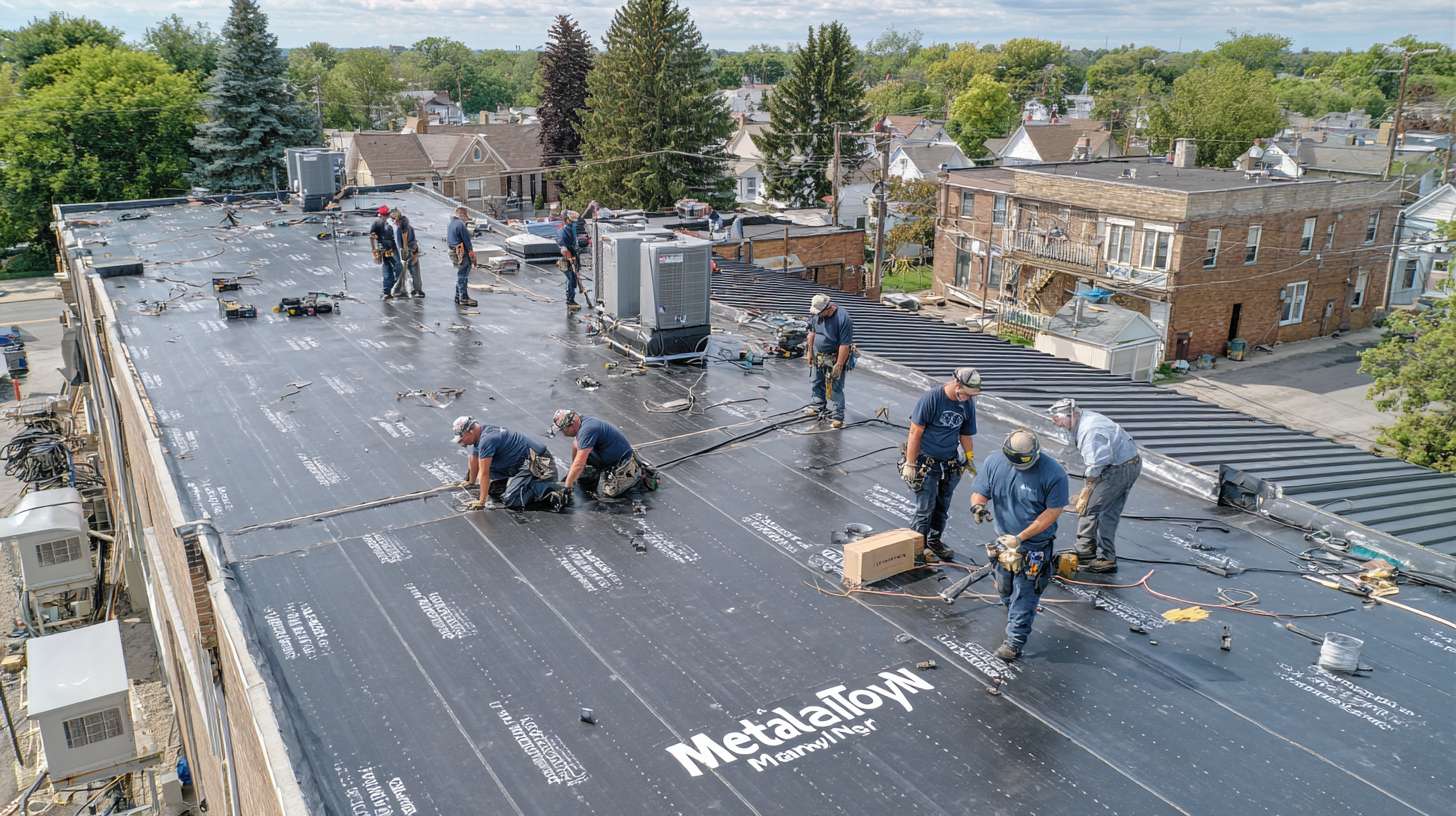
The correct approach: remove the existing flat roof membrane and treat the roof deck as a temporary structural platform only. Once the new second-floor framing is complete and the new roof is on and weatherproofed, you remove or encapsulate the old roof deck. In most projects, that old deck becomes the subfloor for the second story-you sister new joists alongside or perpendicular to the old ceiling joists (after the engineer verifies capacity or adds reinforcement), then install new 3/4-inch T&G plywood or OSB as your finish subfloor. The old roofing membrane is stripped off before you close anything in.
On a project in East Meadow, we had a 1970s ranch with a built-up tar-and-gravel flat roof. The homeowner wanted to add a master suite on top. After the engineer’s report, we reinforced the perimeter walls with a continuous bond beam, added steel columns at two interior bearing points, and then-before framing a single stud-we stripped all the gravel, tar, and felt off the roof deck. We left the plywood deck in place temporarily as a work surface, framed the second-floor walls, installed the new roof structure (we went with a low-slope system, 2:12 pitch, to stay under the town’s 32-foot height limit), and sheathed and waterproofed the new roof with a mechanically-attached TPO membrane. Only then did we come back and install the finish subfloor on the second story, using the old roof deck as a nailing base but adding a layer of new 3/4-inch Advantech on top for a flat, solid floor.
Designing the New Roof: Pitched, Low-Slope, or Flat?
Once you’re adding a second floor, you need a new roof on top. You have three options, each with trade-offs in cost, height, aesthetics, and performance:
| Roof Type | Slope | Height Impact | Cost ($/sq ft installed) | Best For |
|---|---|---|---|---|
| Pitched (Gable or Hip) | 4/12 to 8/12 | Adds 4-8 feet at ridge | $9-$14 | Traditional look, attic ventilation, shingle roofing |
| Low-Slope | 1/4:12 to 3/12 | Adds 1-3 feet | $11-$16 | Height-limited lots, modern aesthetic, TPO/EPDM membrane |
| Flat (Parapet) | 1/4:12 with internal drains | Adds <1 foot (just parapet) | $13-$19 | Tight height restrictions, rooftop deck, contemporary design |
If your zoning allows the height, a pitched roof is usually the most cost-effective and familiar to local building inspectors. You frame it with dimensional lumber (2×10 or 2×12 rafters, or engineered roof trusses if the span is long), sheath it with 7/16-inch OSB, install underlayment (synthetic or 30 felt), and finish with asphalt shingles. Total installed cost runs $9-$14 per square foot in Nassau County. You get an attic space for mechanicals or storage, good drainage, and a roof style that matches most neighboring homes.
Low-slope roofs-anything from 1/4:12 to 3/12-are the compromise choice when you need to save height but still want simple framing. We typically frame them with 2×10 or 2×12 joists on 16-inch centers, slope them toward scuppers or edge drains, sheath with 5/8-inch plywood or DensDeck (a gypsum-based substrate that’s more stable under membrane roofing), then install a fully-adhered or mechanically-attached TPO or EPDM membrane. Cost is slightly higher-$11-$16 per square foot-because the membrane and flashing details are more labor-intensive than shingles, but you save three to five feet of building height, which can be the difference between getting a permit and being denied.
True flat roofs with parapets are the least common in Nassau County residential work, but they’re essential when height is maxed out or when the homeowner wants a modern look or rooftop deck. We frame the roof structure essentially flat (1/4:12 minimum slope toward internal drains), wrap the perimeter with a parapet wall (usually extending 18 to 30 inches above the roof deck to hide mechanicals and provide a safety rail if there’s a deck), and install a commercial-grade membrane-TPO, PVC, or even a spray polyurethane foam system if the budget allows. Internal drains are required, which means running new drain lines down through the second floor and first floor to the building sewer. Cost is highest-$13-$19 per square foot-but you maximize usable second-floor ceiling height and can create outdoor living space on the roof if code and structural capacity allow.
Weatherproofing the Build: Keeping Water Out While You Frame
Building a second floor on top of a flat roof in Nassau County means you’re opening up your home to the weather. The old roof is gone, the new roof isn’t on yet, and you’ve got framing, subfloor, and open walls exposed to rain, snow, and wind-sometimes for weeks or months depending on the scope of work and inspection schedules.
The key is temporary weatherproofing in phases. Here’s the sequence we follow on every second-story addition:
Phase 1: Protect the first floor immediately. As soon as we strip the old flat roof membrane, we cover the exposed deck with heavy-duty tarps or temporary peel-and-stick roofing underlayment (we use a product called WeatherWatch or similar-it’s a rubberized asphalt sheet that sticks down and seals around fasteners). If rain is forecast within 48 hours, we don’t start the tear-off. You can’t leave an open roof in Nassau County during a nor’easter or summer thunderstorm; you’ll flood the house.
Phase 2: Get the new roof framing and sheathing on fast. Once the second-floor walls are framed and stood, the roof framing is the next priority. We aim to have rafters or trusses up, sheathing installed, and at least one layer of underlayment down within three to five working days of tearing off the old roof. Speed matters. On a Uniondale job in 2019, we had the old flat roof stripped on a Monday, second-floor walls framed by Wednesday, roof trusses set and sheathed by Friday, and a full peel-and-stick ice-and-water barrier over the entire new roof deck by Saturday morning-twelve hours before a forecast storm dropped two inches of rain. The house stayed dry.
Phase 3: Install permanent roofing as soon as inspections clear. Once the framing inspection passes (in Nassau County, that’s a required stop before you close walls or install roofing), we move immediately to final roofing. For pitched roofs, that’s shingles and ridge venting, typically a two- to three-day process. For low-slope or flat membrane roofs, it’s a one- to two-day install for a mechanically-attached system or three to four days for a fully-adhered system (which requires warmer temps and dry conditions for the adhesive to bond properly). Either way, the goal is a fully watertight roof before you start running electrical, plumbing, or HVAC in the new second-floor space.
Code Requirements: Egress, Fire Separation, and Structural Connections
Adding a second floor isn’t just about structure and roofing-it triggers a long list of New York State Building Code requirements that affect everything from windows to stairs to fire safety. In Nassau County, the building department enforces the 2020 NYS Residential Code (based on the 2018 IRC with state amendments), and here are the non-negotiables:
Egress windows in every bedroom. Any second-floor bedroom needs an emergency escape window with a minimum clear opening of 5.7 square feet, a minimum width of 20 inches, a minimum height of 24 inches, and a sill no higher than 44 inches above the floor. On flat or low-slope roof additions, that sometimes means installing roof dormers or pop-outs just to get a code-compliant window in. We’ve done projects where the cleanest solution was to frame a shed dormer across the back of the house-it added $18,000-$25,000 to the budget, but it gave us three proper egress windows and more headroom upstairs.
A code-compliant stair. Your new stair to the second floor has to meet strict dimensional rules: maximum riser height of 7.75 inches, minimum tread depth of 10 inches, minimum width of 36 inches clear, handrails on at least one side (both sides if the stair is wider than 44 inches), and headroom of at least 6 feet 8 inches measured vertically above the nosing of each tread. If you’re squeezing a stair into an existing ranch floor plan, these requirements often mean stealing space from a first-floor bedroom or hallway.
Fire separation between floors. The floor assembly between your first and second story needs a fire rating-typically one hour. That’s usually achieved with 5/8-inch Type X (fire-rated) drywall on the first-floor ceiling and standard 1/2-inch drywall on the second-floor underside, with fiberglass batt insulation in the joist cavities. The inspector will check this during framing and again at the final.
Smoke and CO detectors. Adding a second floor means you need interconnected smoke alarms on both levels (hardwired with battery backup, all on the same circuit so they sound together), plus carbon monoxide detectors within 15 feet of every sleeping area. If your existing first floor only has battery-powered detectors, the addition triggers an upgrade to hardwired units throughout the house.
Realistic Costs: What Does Building a Second Floor on a Flat Roof Actually Run?
Costs vary widely based on structural reinforcement needs, the size of the addition, and finishes, but here’s a realistic breakdown for a typical 800- to 1,000-square-foot second-story addition on a flat-roof ranch in Nassau County:
- Structural engineering and design: $4,500-$8,500 (plans, calculations, sealed drawings, site visits during construction)
- Permits and filing fees (Nassau County + local municipality): $2,200-$4,000
- Foundation and structural reinforcement: $12,000-$55,000 (depends on whether you’re adding footings, beams, columns, or underpinning the existing foundation)
- Demolition and flat roof tear-off: $3,500-$6,000
- Second-floor framing (walls, floor joists, subfloor): $28,000-$48,000
- New roof framing and installation: $18,000-$38,000 (pitched roof on the lower end, flat membrane roof with parapet on the higher end)
- Windows and egress: $6,000-$12,000
- Staircase: $5,500-$11,000
- Electrical, plumbing, HVAC (extending systems to second floor): $14,000-$26,000
- Insulation and drywall: $12,000-$18,000
- Finish flooring, trim, paint: $10,000-$22,000
Total project cost for a builder-grade second-floor addition: $145,000-$285,000. If you’re doing high-end finishes, adding bathrooms, or dealing with complex structural issues, costs can push toward $325,000-$400,000.
The single biggest variable is structural work. On a home that was never designed for a second story, expect to spend $30,000-$65,000 just getting the bones ready. On a home that was over-built or intentionally designed for future expansion, you might spend only $8,000-$15,000 on minor reinforcement and tie-ins.
Permitting and Timeline in Nassau County
Plan on four to six months from design kickoff to breaking ground, and another six to nine months of construction. Here’s the typical timeline:
Month 1-2: Design and engineering. Architect or designer creates floor plans and elevations; structural engineer reviews existing structure, designs reinforcement, and produces sealed calculations and drawings.
Month 3-4: Permit application and review. Submit full plan sets to your local town or village building department (in Nassau County, that’s separate from the county itself-each municipality has its own department). The building department will review for zoning compliance, structural adequacy, egress, fire separation, energy code, and more. Expect at least one round of revisions or requests for additional information. If you need a zoning variance, add another two to four months for zoning board hearings.
Month 5-6: Permit issuance and prep. Once the permit is issued, your contractor orders materials, schedules subs, and sets up the site. Some towns require a pre-construction meeting with the building inspector.
Month 7-12: Construction. Actual building time for a 1,000-square-foot second story runs six to eight months in good weather. That includes foundation work, framing, rough mechanicals, insulation and drywall, and finishes. You’ll have mandatory inspections at footing (if new footings are poured), framing, rough electrical, rough plumbing, insulation, and final. Each inspection can add a few days of downtime waiting for the inspector to show up and sign off.
Month 13: Final inspection and certificate of occupancy. Once all work is complete and the final inspection passes, the building department issues a CO. Legally, you can’t occupy the new space until you have that CO in hand.
Why Platinum Flat Roofing for Second-Story Builds on Flat Roofs
At Platinum Flat Roofing, we’ve spent 26 years working on exactly this kind of project-taking single-story Nassau County homes with flat roofs and transforming them into two-story houses that are structurally sound, code-compliant, and built to last. We’re not just roofers and we’re not just framing contractors; we understand the entire system, from how your foundation transfers load to the soil, to how a new TPO roof will perform in coastal wind zones, to how to detail a parapet flashing so it doesn’t leak ten years from now.
When you call us, the first thing we do is a structural reality check-we walk the house with you, look at the foundation, check the framing in the basement or crawlspace, and measure existing joist spans and sizes. We bring in our engineer early (often on the first or second visit) so you know within a few weeks whether your project is feasible and what the structural costs will be. We don’t let you fall in love with a floor plan that can’t be built on your lot or your structure.
And because we specialize in flat roofing, we know how to handle the old roof correctly-strip it, protect the first floor, and install a new commercial-grade membrane system on top that will outlast the addition itself. We’ve seen too many second-story projects where a framing crew just built over the old flat roof “to save time,” and five years later the homeowner has water stains and mold because that old membrane failed and there’s no way to access it without tearing apart the second floor.
If you’re in Nassau County and you’re seriously considering adding a second floor on your flat roof-or on top of a flat roof extension-give Platinum Flat Roofing a call. We’ll walk you through what’s structurally and legally possible, give you a realistic budget and timeline, and if the project makes sense, we’ll build it right.
“`