Expert Fixing a Leaking Flat Roof Services in Nassau County
The best way to fix a leaking flat roof starts at $425-$875 for a professional single-leak repair in Nassau County, but here’s what most homeowners don’t realize: 80% of the time, that wet spot on your ceiling isn’t directly under where the water is getting in. I’ve seen homeowners climb up with a tube of silicone, seal every crack they can see near the stain, and still have water dripping two days later because flat-roof water doesn’t behave like pitched-roof water-it travels sideways under the membrane, sometimes 15-20 feet, before it finds a seam, a nail, or a thin spot to leak through. That’s why slapping sealant on the first suspect spot almost never works, and it’s exactly why fixing flat roof leaks properly is a process that requires tracing the water path, not just patching the obvious damage.
The bigger problem? You’re probably wondering if you should keep repairing this thing, try one of those spray-on “miracle” coatings you see on YouTube, or just accept that you need a full replacement-and every contractor who shows up seems to recommend something completely different. One says “$300, we’ll tar it up.” Another quotes $18,000 for a full tear-off. A third wants to spray your whole roof with elastomeric coating for $6,500. Who’s right? Usually none of them, because nobody’s asking the right questions yet.
Why Most Flat Roof Leak Repairs Fail in Nassau County
On a 15-year-old EPDM roof in Baldwin last spring, the homeowner had hired three different “roofers” over two years to fix the same leak above his garage. Each one smeared black goop in roughly the same area, collected $250-$400, and left. By the time I got there, that section of membrane looked like a lumpy tar sculpture-layers of incompatible sealants, some cracked, some still soft and sticky, none of them actually stopping water. The real leak? Twenty-three feet away, where the EPDM seam along the parapet wall had separated by a quarter-inch. Water was running under the membrane, hitting the plywood deck, and following a very slight slope until it found the garage-beam penetration.
That’s the first thing to understand about the best way to fix leaky flat roof problems: diagnosis matters more than materials. A $12 tube of professional-grade EPDM seam tape, properly applied after cleaning and prepping the seam, will outlast $200 worth of random roofing tar every single time-but only if you’re sealing the actual entry point.
Nassau County’s weather makes this worse. We get legitimate freeze-thaw cycles-December through March, you’ll see 35° one day and 18° the next, then back to 42° with rain. Every cycle, water in tiny cracks expands, pushes the crack a little wider, then melts and seeps deeper. EPDM seams contract. Modified-bitumen laps can lift at the edges. Built-up roof gravel shifts and exposes thin spots. What held fine in September starts weeping in February, and by April you’ve got active drips. This isn’t a climate where you can ignore small problems-they compound fast.
The Real Process for Finding and Fixing Flat Roof Leaks
Here’s what a legitimate flat roof leak repair looks like when it’s done right, broken down by the actual steps that separate a two-year fix from a two-month band-aid:
Step 1: Trace the water backward from the interior stain. I start inside, photograph the stain, measure its position from walls, then go up top and mark that approximate spot. But I don’t start sealing there-I look at the roof slope (even “flat” roofs have 1/4″ per foot minimum), check where water would flow from higher areas, and inspect everything uphill and upwind of that spot. On that Baldwin garage, the interior stain was near the east wall; the actual breach was on the west parapet, twelve feet higher on the roof plane. Water always flows downhill and always finds the path of least resistance through your decking.
Step 2: Inspect every seam, flashing, and penetration in a 20-foot radius. This is where experience separates real repairs from guesswork. Flat roof leaks almost always happen at transitions-where the field membrane meets a wall, where two sheets overlap, where a vent pipe or HVAC line penetrates, where the drip edge terminates. I’m looking for:
- Seams with visible gaps, even hairline separations
- Flashing that’s pulled away from the wall or curled up at the bottom edge
- Fastener heads that have backed out or torn through the membrane
- Blistering or bubbling that indicates trapped water under the surface
- Ponding areas where water sits more than 48 hours after rain-chronic standing water will find a way in
Step 3: Match the repair method to your specific roof type. This is critical, and it’s where most cheap repairs go wrong. The best flat roof leak repair for EPDM rubber is completely different from the best method for modified bitumen or built-up asphalt-and-gravel. You can’t use the same products and expect the same results.
| Roof Type | Best Repair Method | Materials That Work | Materials to Avoid | Typical Cost |
|---|---|---|---|---|
| EPDM Rubber | Clean seam, EPDM primer, peel-and-stick seam tape or liquid EPDM with reinforcing fabric | EPDM-compatible adhesives, uncured EPDM flashing, proper seam tape | Asphalt-based tar, silicone, polyurethane sealants | $475-$825 |
| Modified Bitumen | Torch-applied cap sheet patch or cold-applied bitumen with granule-surfaced patch | SBS or APP modified bitumen, compatible cold adhesive | EPDM tape, roofing cement without bitumen base | $525-$975 |
| Built-Up (BUR) | Cut out damaged area, hot-mop or cold-adhesive replacement layers, flood coat and gravel | Asphalt or coal-tar pitch, fiberglass reinforcement | Rubber patches, spray coatings without proper surface prep | $650-$1,150 |
| TPO | Heat-weld TPO patch after cleaning with TPO cleaner | TPO membrane, TPO bonding adhesive, heat-welding equipment | Tape products, generic sealants, EPDM materials | $550-$900 |
On a 12-year-old modified-bitumen roof in Levittown last November, the homeowner showed me where a handyman had slapped EPDM tape over a seam separation. The tape was already peeling at the corners because modified bitumen has a granulated surface-tape won’t bond to loose granules, and bitumen and rubber aren’t chemically compatible anyway. I removed the tape, swept the granules, applied a cold bitumen adhesive, laid a proper mod-bit patch with 4-inch overlaps on all sides, and sealed the edges with a small bead of bitumen lap sealant. That repair cost $585 and is still dry today. The tape “repair” cost the homeowner $180 and lasted nine weeks.
When to Repair vs. When to Replace: The Honest Answer
Here’s the question that stresses people out the most, and the one where you’ll hear the most contradictory advice: Is fixing this leak actually smarter than replacing the whole roof? The truth is, sometimes the best way to fix a leaking flat roof is to stop fixing it and replace the system-but you need real criteria to make that call, not just a salesman’s pitch.
I use a simple framework. If your roof checks two or more of these boxes, replacement is usually the more cost-effective long-term move:
- The membrane is 18+ years old (EPDM and TPO), 15+ years (modified bitumen), or 20+ years (built-up)
- You’ve had three or more separate leaks repaired in the past five years
- More than 30% of the surface shows cracking, brittleness, or widespread seam separation
- The decking is soft or spongy in multiple areas-indicating rot
- You see widespread blistering or bubbling across large sections
- The insulation underneath is wet (you’ll know-the ceiling sags, or you see dark stains spreading)
On a commercial garage roof in Garden City last year, the building owner wanted me to patch four separate leak spots on a 22-year-old EPDM roof. I could’ve done it-probably $1,400 in repairs, maybe bought him two more years. But when I walked the roof, the rubber was stiff and crazed with surface cracks. The seams were separating in multiple places. Two of the drains had standing water around them, which meant the insulation below had compressed and the deck was sagging. I told him flat-out: “I can patch these four spots today, but I’ll be back for four more next year, and the year after that we’ll be talking about replacing wet decking, which triples the cost. You’re at the end of this roof’s life. Let’s replace it now while the damage is still limited to the membrane.” He replaced it. Total cost was $8,200 for 920 square feet. If he’d kept repairing for another three years, he’d have spent $3,000-$4,000 on patches and then paid $11,000+ for a replacement with deck repairs.
The hardest calls are roofs in the middle-10 to 14 years old, one or two leaks, mostly solid but showing age. Here’s my rule: If the repair area is localized (one seam, one flashing, one penetration) and the rest of the roof is in good shape, repair it. If I’m finding problems in multiple zones and the membrane shows general aging, it’s time for the replacement conversation. A proper repair should buy you 5-8 more years minimum. If I can’t honestly say that, I won’t take the repair job.
Why Seams, Flashings, and Drainage Matter More Than the Field
Most leaks-I’d estimate 70%-happen at details, not in the main field of the roof. That’s why the best flat roof leak repair work happens at the edges and transitions, and why a contractor who only wants to look at the “wet spot” is missing the point entirely.
Seams: Every flat roof membrane comes in rolls, usually 10 feet wide. That means every 10 feet, there’s a seam where two sheets meet. On EPDM, that seam is glued or taped. On modified bitumen, it’s heat-fused or cold-adhered with a 4-6 inch overlap. On TPO, it’s heat-welded. Over time-especially with temperature swings and UV exposure-those seams contract, the adhesive weakens, and gaps open up. Water doesn’t need much; a 1/8-inch gap is plenty. When I’m fixing flat roof leaks, I spend as much time inspecting seams as I do looking for punctures or surface damage.
Flashings: Where the roof meets a vertical wall-a parapet, a building wall, a curb around an HVAC unit-you need flashing to bridge that 90-degree transition. Flashing can be metal (aluminum or copper), membrane (a strip of the same EPDM or TPO), or a combination. The problem is, walls expand and contract at different rates than roof membranes, so flashing joints are constantly under stress. On older roofs, I routinely find flashing that’s pulled away at the bottom edge or cracked where it bends. A 15-foot run of failed wall flashing can send gallons of water under your roof every rainstorm, and from inside, it’ll look like the leak is “everywhere” because the water spreads once it’s under the membrane.
Drainage: Flat roofs aren’t supposed to hold water. If water is ponding-sitting in low spots more than 48 hours after rain-you’ve got a drainage problem that will eventually cause a leak even if the membrane is perfect. Ponded water accelerates aging, promotes algae growth that holds moisture against the surface, and freeze-thaw cycles in standing water are brutal on seams and laps. When I see ponding, I’m checking: Are the drains clear? Is the roof slope adequate, or has the insulation compressed in spots? Sometimes the fix is adding a tapered insulation overlay to correct the slope. Sometimes it’s as simple as clearing debris from a drain. But ignoring ponding and just patching the leaks is like bailing water out of a boat without plugging the hole.
On a flat roof over a detached garage in Westbury, the homeowner had a leak “that moved around.” One month it was near the back corner, next month near the door. When I got up there, the problem was obvious-the whole roof had a reverse slope toward the back parapet. Water was pooling along the entire back edge, and depending on wind and exactly how the rain came down, it would find different weak spots in the seam. The roof was only eight years old; the membrane was fine. But the install crew had skipped tapered insulation, and the deck had settled slightly over the years. I referred them to a commercial roofer who installed a tapered overlay system and re-set the drains. Cost was $3,100, but it solved a “leak” problem that would’ve required endless patching otherwise.
Red Flags: What Bad Flat Roof Repairs Look Like
You’ll hear a lot of phrases from contractors that sound reasonable but are actually warnings that you’re about to get a repair that won’t last. Here’s what to watch for:
“We’ll just smear some tar over it.” Roofing tar-the thick black stuff in a bucket-has a place in flat roofing, but it’s not a universal solution. On EPDM, tar usually won’t stick long-term because the rubber surface is too smooth and flexible. On any roof, tar without proper cleaning and priming is a temporary Band-Aid. If a contractor shows up with a 5-gallon bucket and a trowel and nothing else, you’re getting a patch that might last one season.
“This spray coating will fix anything.” Elastomeric roof coatings-liquid rubber or acrylic sprays-can be part of a legitimate roof restoration, but only when the underlying membrane is sound and the surface is meticulously cleaned and prepped. I’ve seen homeowners pay $4,000-$7,000 for spray coatings over roofs with active seam separations, thinking the coating would “seal everything.” It doesn’t. Water still gets in at the seams, and now it’s trapped under a layer of coating, which makes future repairs harder. Coatings are a maintenance tool for aging but intact roofs, not a substitute for fixing actual structural problems.
No mention of cleaning, prep, or compatible materials. If the estimate doesn’t specify cleaning the repair area, doesn’t mention primer or adhesive, and doesn’t name the actual products being used, you’re probably getting whatever’s in the truck that day. Professional flat roof leak repair requires surface prep-sweeping loose granules, wiping with a cleaner or solvent, sometimes lightly abrading the membrane so adhesive will bond. It requires the right products for your roof type. An estimate that just says “repair leak-$400” is a red flag.
Patch-only pricing with no inspection of surrounding areas. A good repair includes checking the context. If I’m sealing a seam separation, I’m walking the entire seam to see if other spots are starting to fail. If I’m replacing a flashing, I’m checking the flashings on the other three walls. You should never get a leak repair without at least a verbal summary of the overall roof condition-“the rest of your seams look solid,” or “you’ve got another flashing on the north side that’s starting to pull away; we should address it now or plan for it next year.” If the contractor tunnels in, fixes the one spot, and leaves without commenting on anything else, you’re dealing with a patcher, not a roofer.
What a Quality Flat Roof Leak Repair in Nassau County Includes
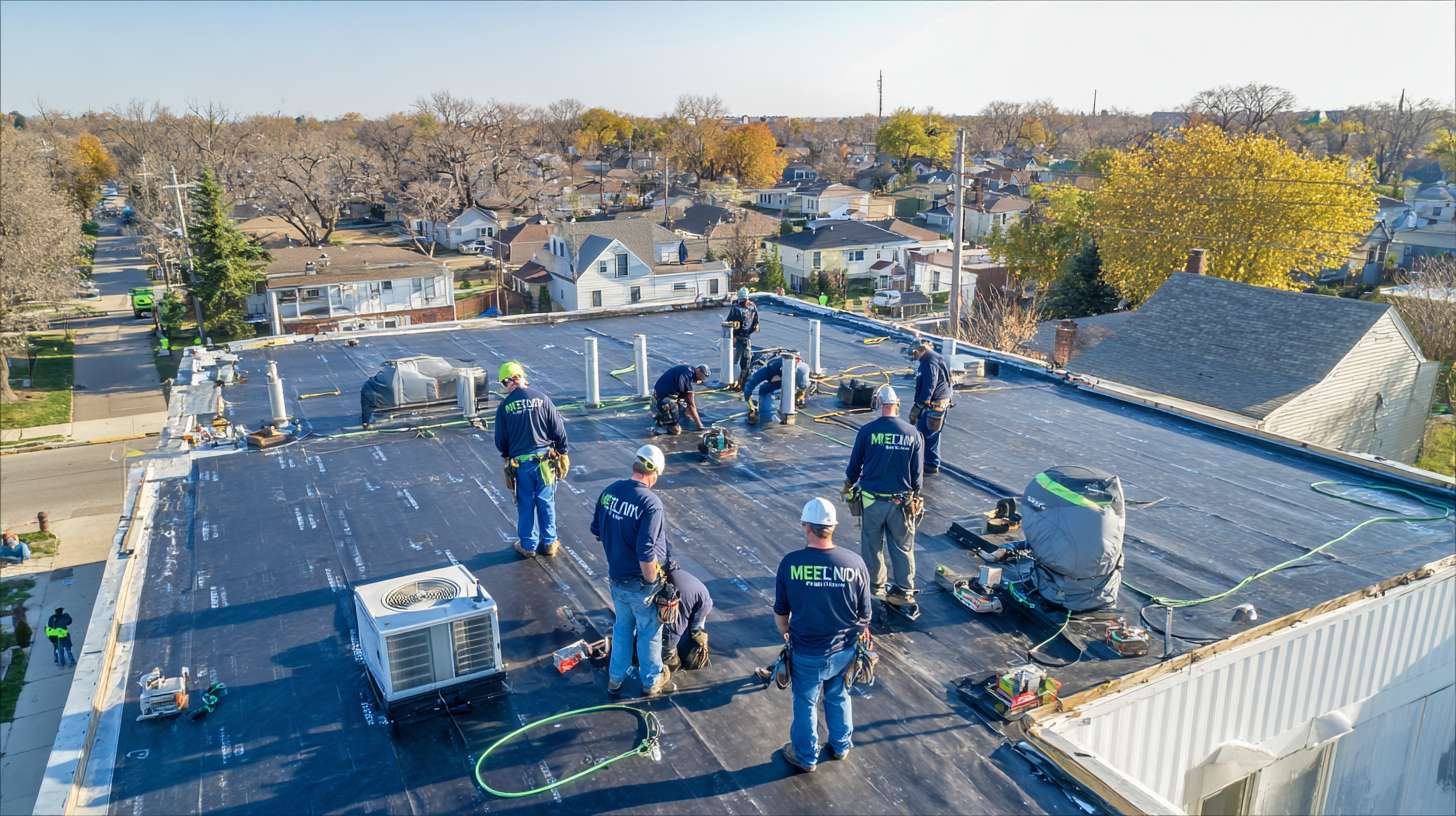
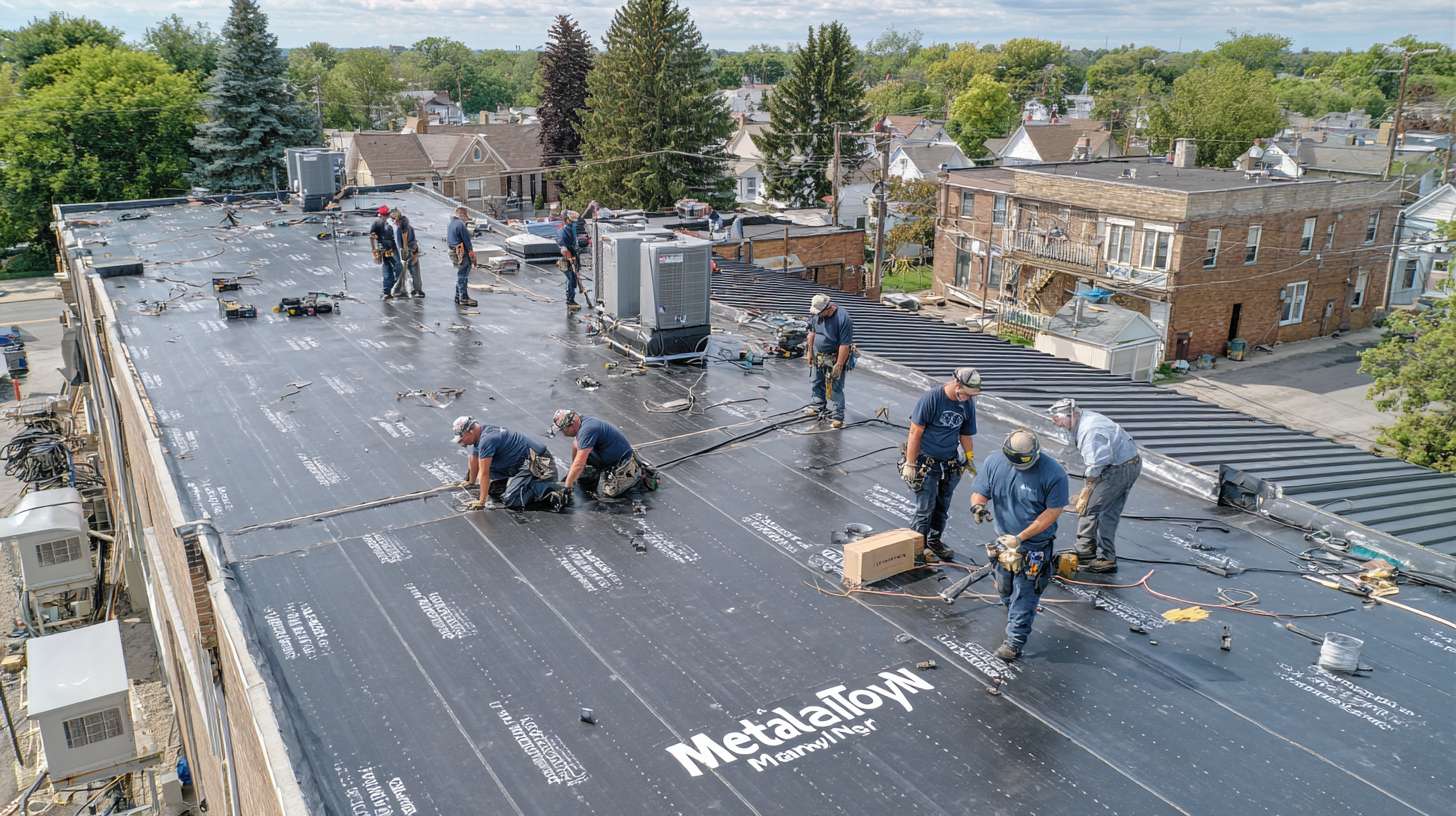
When Platinum Flat Roofing tackles fixing flat roof leaks, here’s exactly what the process looks like-and what you should expect from any contractor doing this work properly:
Thorough inspection and documentation. Before any tools come out, I walk the entire roof, photograph problem areas, and trace the water path from the suspected entry point to the interior stain. You get photos with notes so you can see what I’m seeing. This typically takes 20-35 minutes on a standard residential flat roof. If I can’t definitively identify the source, I’ll tell you-and we’ll discuss options like a water test, where we systematically flood sections of the roof while someone watches inside for drips.
Proper surface prep. The repair area gets swept clean of debris and loose granules, then wiped with the appropriate cleaner (EPDM cleaner for rubber, mineral spirits for bitumen surfaces). If I’m working with EPDM seams, I’ll scuff the surface lightly with an abrasive pad to help the primer bond. This step takes another 10-15 minutes but doubles the lifespan of the repair.
Compatible, professional-grade materials. I use products designed for your specific roof type-Firestone or Carlisle EPDM materials for rubber roofs, GAF or Johns Manville modified-bitumen products for torch-down or cold-applied systems. These aren’t available at Home Depot; they come from roofing distributors and they’re formulated to bond chemically with the existing membrane. The material cost difference between pro-grade and hardware-store products is maybe $40-$80, but the performance difference is years of service life.
Extended coverage beyond the visible damage. If I’m sealing a 6-inch seam separation, I’m applying a patch that extends at least 4 inches beyond the damaged area on all sides-sometimes 6 inches if the surrounding membrane looks stressed. The goal is to create a repair that’s stronger than the original install, not just cover the current problem.
Detail work at terminations. Where the patch ends, I’m making sure the edge is sealed and won’t catch wind or start peeling. On EPDM, that means liquid flashing or lap sealant at the perimeter. On modified bitumen, it means heat-fusing or adhering the edges fully so there’s no place for water to wick under.
Follow-up check. For any repair over $600, I include a follow-up visit after the next significant rain-usually within three weeks. I’ll come back, check the interior for any signs of moisture, and inspect the repair from the roof. If there’s an issue, we address it under the original work order. This costs me an hour of time, but it catches the 5% of repairs where we missed a secondary entry point or where a stress crack has propagated from the repair zone.
A typical single-leak repair with proper prep and materials runs $475-$875 depending on accessibility, roof type, and size of the damaged area. A complex repair-multiple leaks, large flashing replacement, or drainage correction-can run $1,200-$2,400. Full roof replacement for a standard residential flat roof in Nassau County ranges from $7,800 to $16,500 depending on size, membrane choice, and whether we’re replacing insulation or decking.
Long-Term Thinking: Maintenance After the Repair
Once your leak is fixed properly, you can extend the life of your flat roof by decades with basic maintenance. I’m not talking about complicated procedures-just awareness and small interventions:
Clear your drains and gutters twice a year, spring and fall. Clogged drains cause ponding, ponding causes leaks. It’s the single biggest preventable failure mode on flat roofs. Walk your roof (carefully) twice a year and look for standing water, debris accumulation, or new cracks in the membrane. You’re not doing repairs-you’re just looking for problems while they’re small. If you see a seam starting to lift at the corner, or a flashing pulling away a quarter-inch, call for a minor repair before it becomes a major leak. A $200 preventive reseal beats an $800 emergency repair every time.
Trim back tree branches that overhang the roof. Branches scrape the membrane in wind, leaves hold moisture against the surface, and the shade prevents proper drying. After major storms, do a quick visual check for new damage-wind-blown debris, lifted edges, anything unusual. Nassau County gets nor’easters and occasional hurricane remnants; a 10-minute post-storm check can catch damage before the next rain drives water into it.
The roofs that last 25-30 years aren’t magic-they’re the ones that got proper repairs when needed and regular attention in between. The roofs that fail at 12 years are usually the ones that got ignored until small problems became systemic.
Why Local Experience Matters for Nassau County Flat Roofs
Nassau County has specific challenges that affect flat roof performance. We’re coastal-salt air accelerates metal flashing corrosion and makes adhesive bonds more critical because wind-driven rain is aggressive. We get freeze-thaw cycles that interior regions don’t see as intensely; that 32° threshold gets crossed 40+ times most winters. And our building stock is mixed-1950s ranches with original built-up roofs, 1980s additions with EPDM, newer garages with TPO or modified bitumen-so a contractor working here needs to be fluent in multiple systems, not just one product line.
I’ve worked on roofs in every town from Glen Cove to Long Beach. I know that the older neighborhoods-Levittown, Hicksville, parts of Massapequa-tend to have built-up roofs that are now 20-35 years old and reaching end-of-life. I know the newer construction in areas like Garden City and Rockville Centre often spec’d TPO, which requires heat-welding expertise. And I know that most of Nassau’s residential flat roofs are small-600 to 1,200 square feet-which means they don’t get the attention from big commercial crews, but they still need professional-grade repairs.
When you’re looking for the best way to fix a leaking flat roof, you want someone who’s seen your roof type, in your climate, on your style of building. Not someone who does mostly pitched roofs and dabbles in flat work. Not someone whose “flat roof repair” experience is entirely commercial 50,000-square-foot warehouses. You need a specialist who shows up, knows immediately what they’re looking at, explains the issue in plain terms, and fixes it with the right method for that specific roof-because there’s no one-size-fits-all solution, and anyone who tells you otherwise is either inexperienced or dishonest.
The best flat roof leak repair is the one that’s still keeping you dry five years later. That’s the standard we work to, and it’s the standard you should expect. If you’ve got a leak, don’t wait for it to spread-water damage compounds fast. And don’t settle for tar and a prayer. Get it diagnosed right, fixed right, and move on with your life knowing your roof is actually sound.