Flat Roof Advantages and Benefits for Nassau County Homes
Why would anyone choose a flat roof on a Nassau County home-are flat roofs actually better, or just a modern look that causes leaks? When designed and built correctly with proper membranes and drainage, flat roofs offer real advantages in cost, usable space, and flexibility that pitched roofs simply can’t match. The old image of tar-and-gravel commercial roofs ponding water doesn’t reflect today’s residential flat roof systems, which use advanced single-ply membranes, modified bitumen, or liquid-applied coatings engineered specifically for low-slope applications on homes.
I’ve spent twenty years installing residential flat roofs across Nassau County, and the question “what are the advantages of a flat roof?” comes up on nearly every consultation. Homeowners assume they’re choosing between a reliable pitched roof and a risky flat one, when the real decision is about matching roof type to project goals. For additions, second-floor extensions, garage conversions, and rear expansions, flat roofs deliver benefits that traditional pitched systems can’t-lower material costs, instant usable outdoor space, easier access for maintenance and solar, cleaner modern lines, and flexible interior ceiling heights. The key is understanding when those advantages matter for your specific Nassau County project.
Breaking the “Flat Roofs Always Leak” Myth
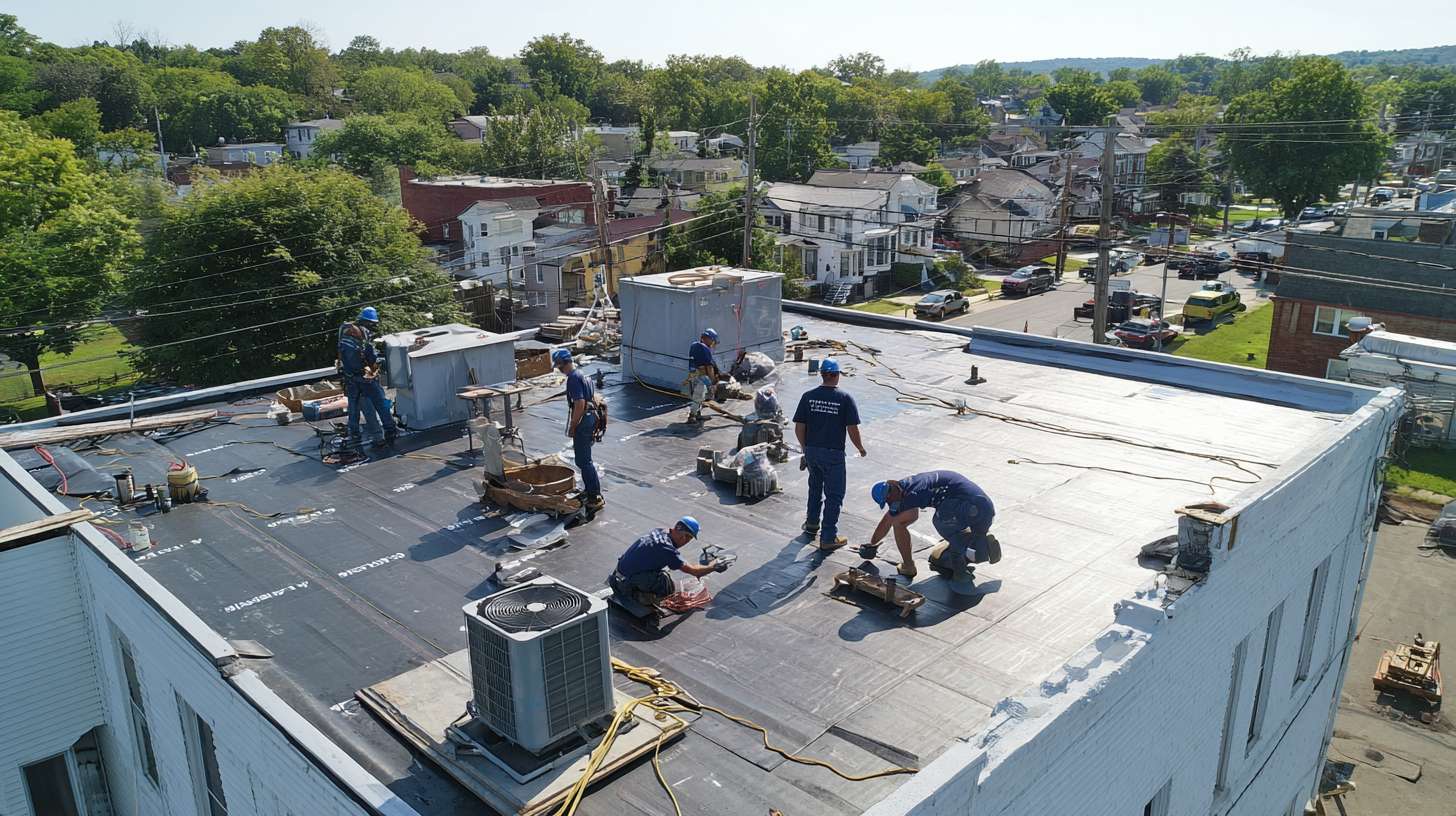
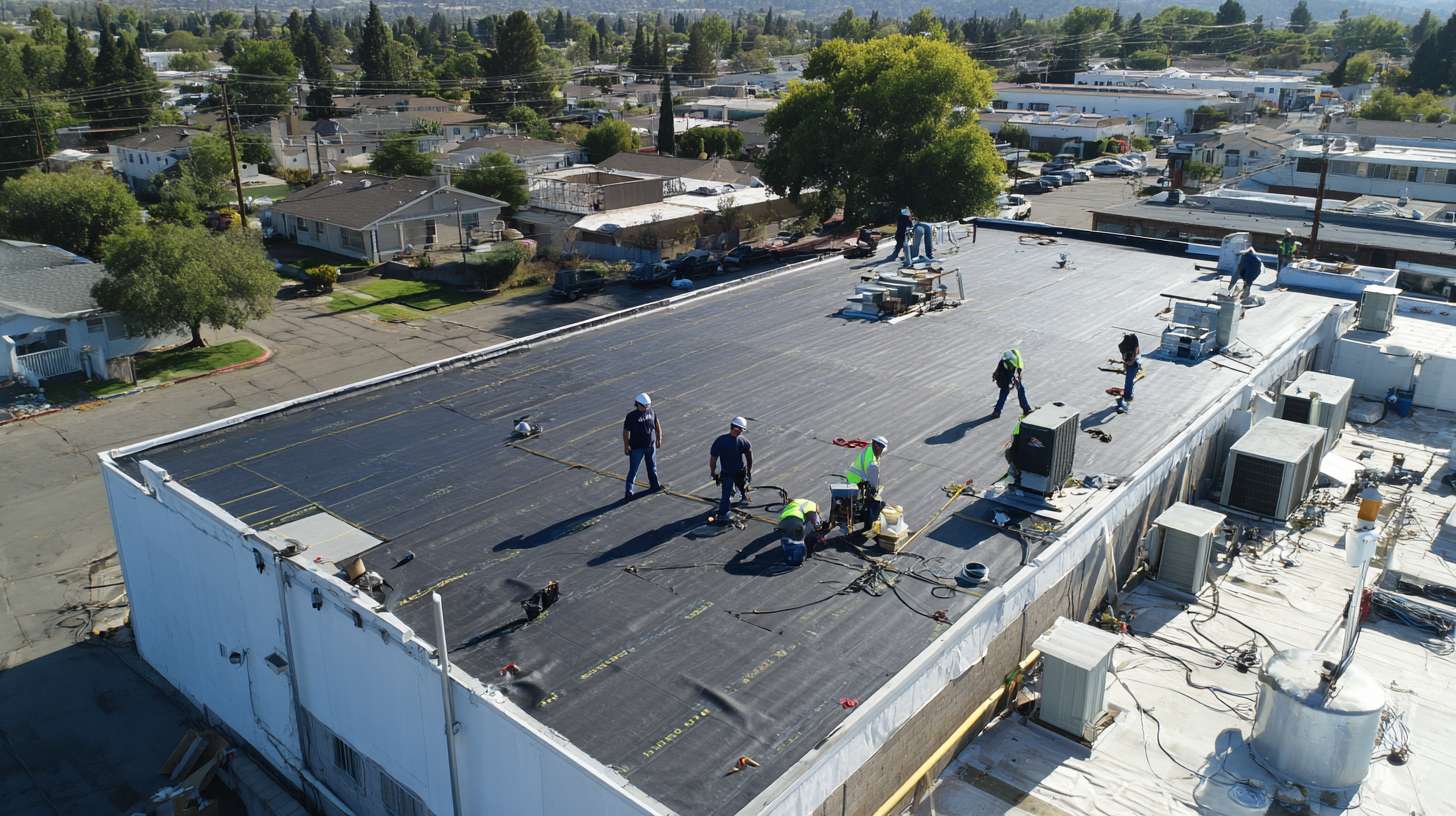
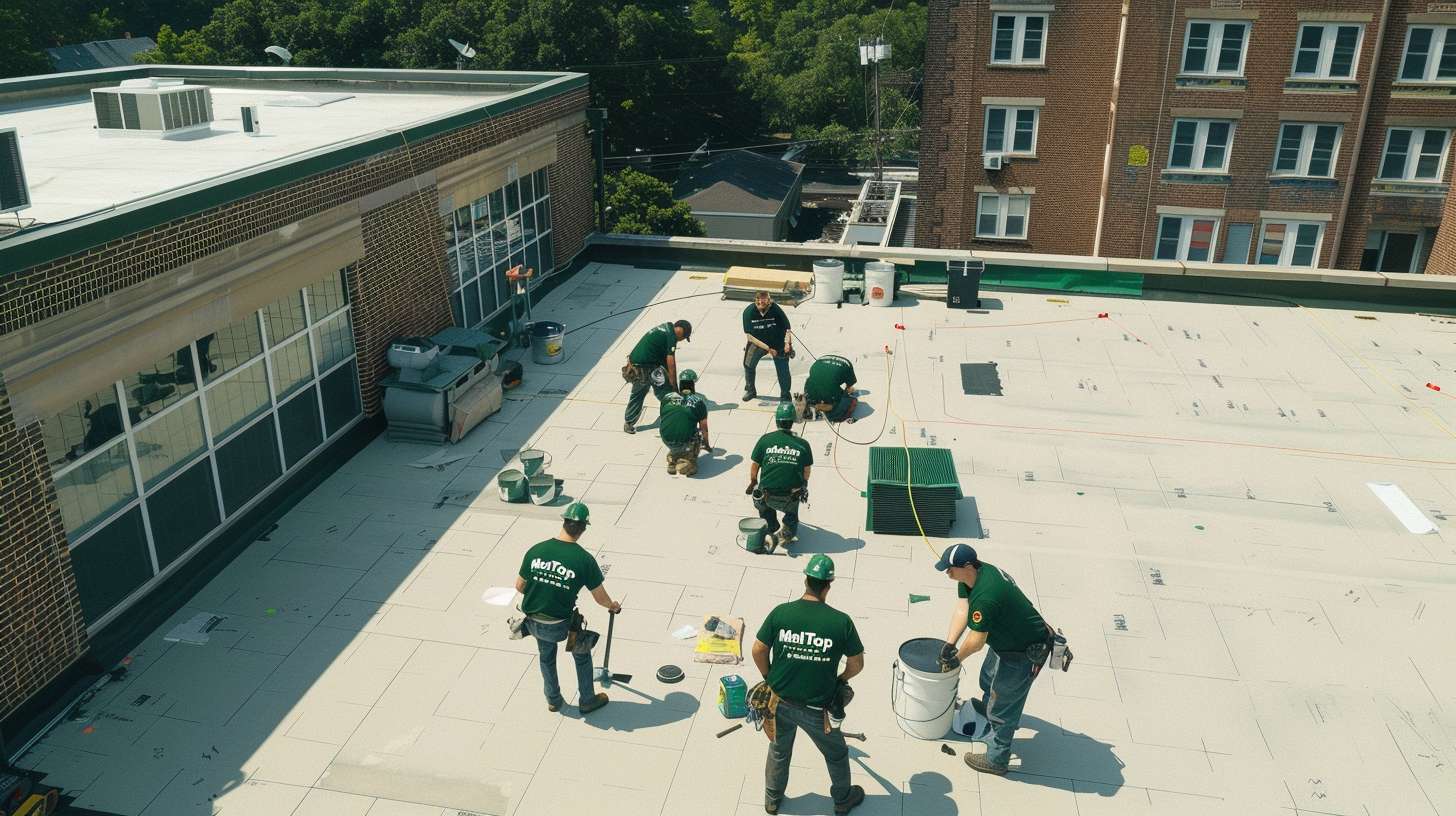
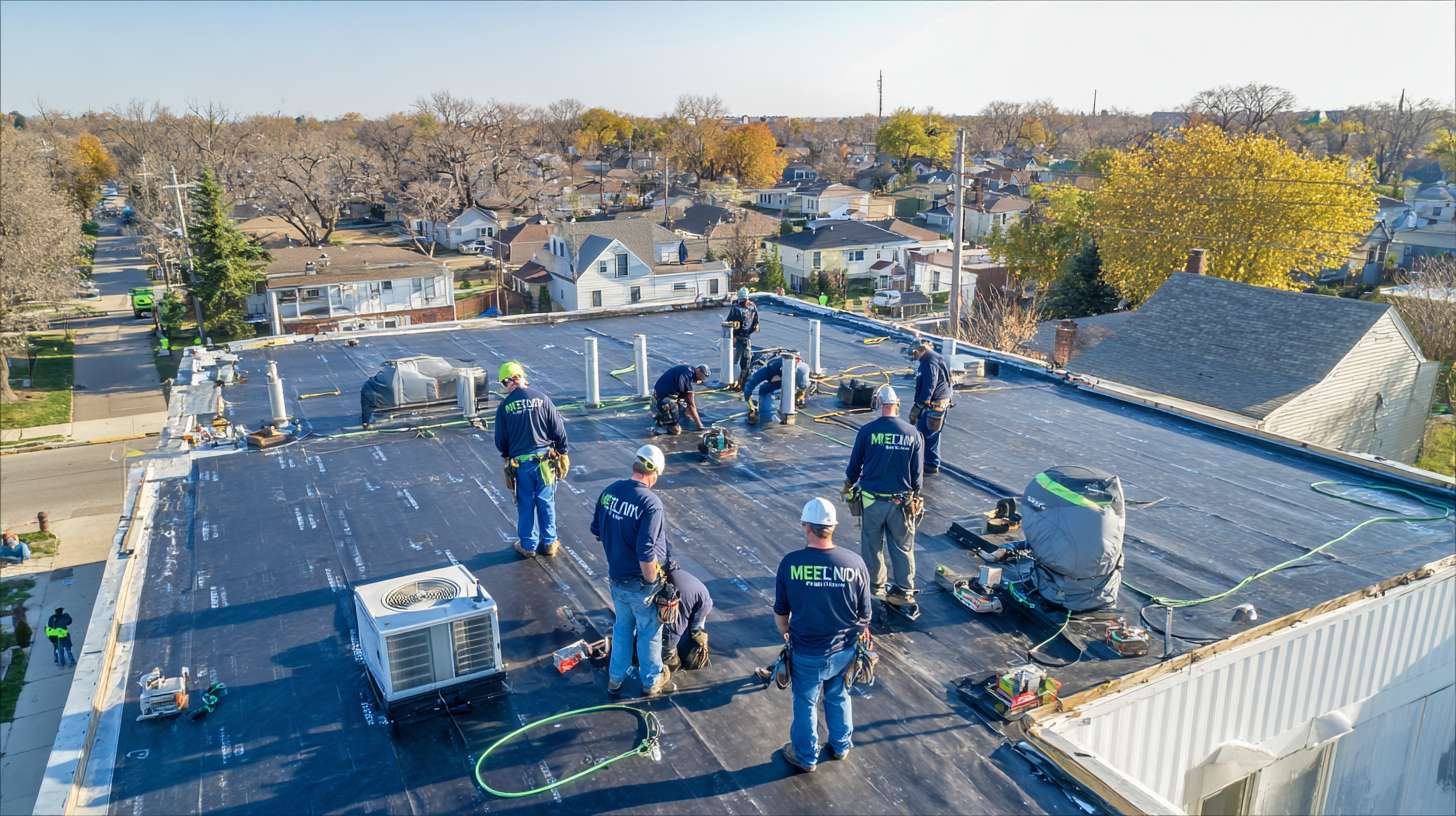
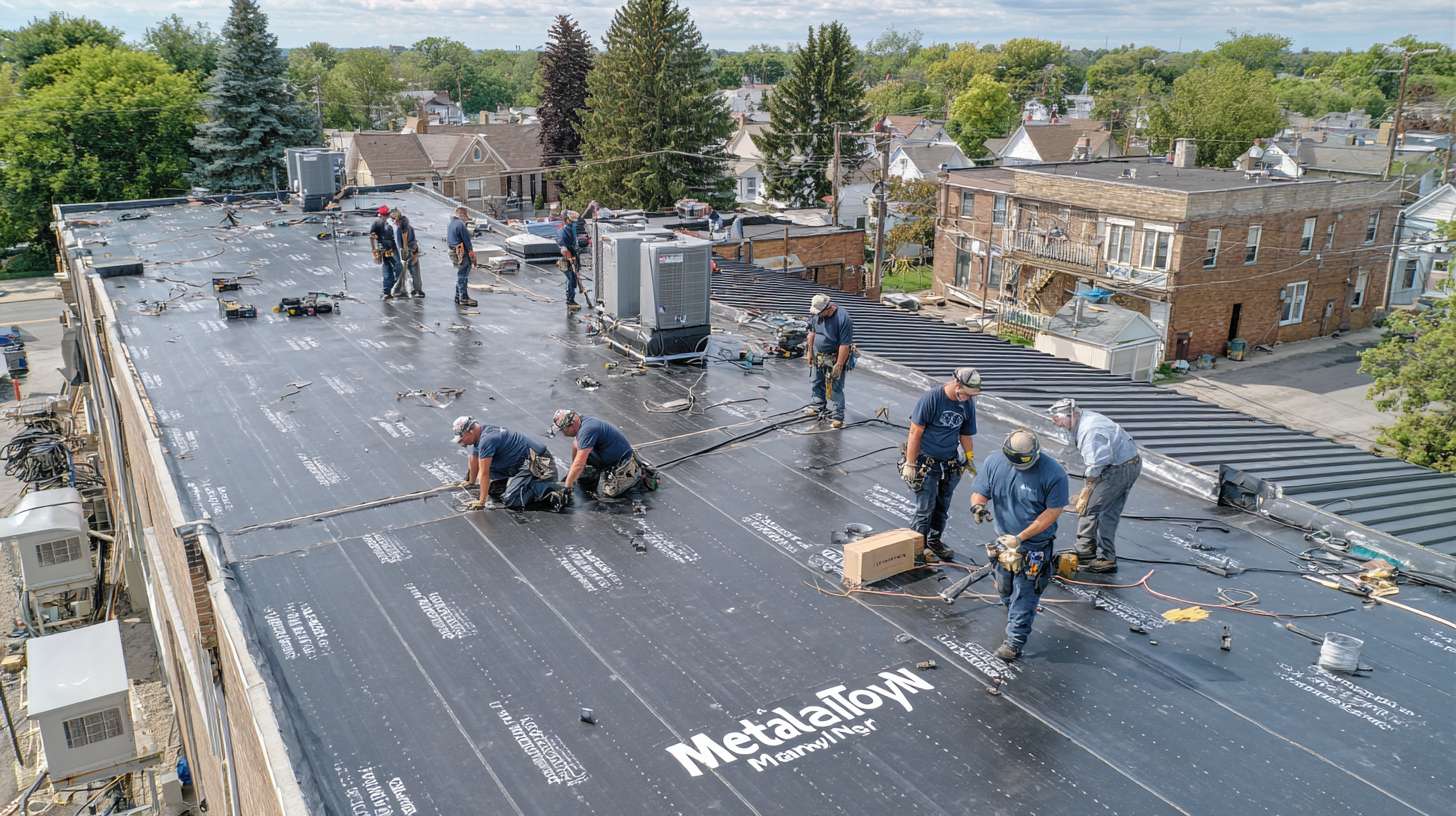
Let’s address the elephant in the room first. The fear that flat roofs inherently leak comes from outdated commercial roofing practices-built-up tar roofs with poor drainage installed decades ago on warehouse buildings. Modern residential flat roofs use completely different materials and installation methods. A properly designed flat roof isn’t actually flat; it has a minimum 1/4-inch-per-foot slope (often more) directing water to scuppers, gutters, or internal drains. When we install TPO, EPDM, or PVC membrane systems with heat-welded seams and perimeter flashings detailed to current building codes, leak risk drops to the same level as-or lower than-a poorly installed asphalt shingle roof with inadequate ice-and-water shield.
On a rear kitchen extension I completed in Seaford three years ago, the homeowners were initially nervous about the flat roof design their architect proposed. Their neighbors had warned them about leaks. We walked through the membrane specification, showed them the tapered insulation layout that would create positive drainage, and explained the twenty-year manufacturer warranty. Three winters later, including heavy rains and ice events, they’ve had zero water issues-and they’re now planning to add a small roof deck because they trust the system. The difference isn’t flat versus pitched; it’s quality design and installation versus shortcuts.
Cost and Construction Simplicity
What are the benefits of flat roofing from a budget perspective? Material and labor costs run $8-$14 per square foot installed for quality residential flat roof systems in Nassau County-TPO and EPDM on the lower end, PVC or modified bitumen with additional insulation layers on the higher end. Compare that to pitched roof framing, sheathing, underlayment, shingles, ridge vents, and more complex flashing details, which typically cost $12-$22 per square foot for the same square footage of coverage. The savings add up quickly on a 400-square-foot addition: $3,200-$5,600 for a flat roof versus $4,800-$8,800 for a comparable pitched system.
Beyond raw material costs, flat roofs simplify the entire construction process for additions and extensions. No need to match existing roof pitch. No complicated valley intersections where the new roof ties into the old. No structural gymnastics to frame a hip or gable that matches your home’s existing roofline. When we build a flat roof over a single-story family room extension-common in Merrick and Bellmore where ranch homes dominate-the framing goes up faster, the roof membrane installs in one or two days, and you’re weathertight without coordination headaches. That labor efficiency saves homeowners $800-$1,500 in carpentry and roofing hours compared to pitched alternatives on typical projects.
The simplicity extends to future repairs, too. If a membrane develops a puncture or seam issue five or ten years down the line, flat roof repairs are straightforward: clean the area, apply a patch or reflash a penetration, seal it properly. Compare that to replacing damaged shingles on a steep pitch, where you’re pulling nails, sliding new shingles under existing courses, and hoping you don’t disturb surrounding areas. I’ve done emergency leak repairs on pitched roofs in January that required scaffolding, harnesses, and half a day’s work; equivalent flat roof repairs took ninety minutes with a heat gun and membrane patch.
Usable Rooftop Space for Nassau County Living
This is where flat roofs transform from “roof” into “outdoor room,” and it’s the advantage that sells most Nassau County homeowners once they understand the possibilities. A flat roof isn’t just overhead protection-it’s potential deck space, a rooftop garden area, or even just a safe platform for HVAC equipment and solar panels that doesn’t eat into your yard. In neighborhoods like Rockville Centre or Garden City where lot sizes are tight and outdoor space is premium, converting 300-400 square feet of roof into usable area is like adding a second backyard.
On a recent project in Oceanside, we built a warm flat roof-fully insulated with the membrane over the top-on a two-story rear addition. The homeowners added a small rooftop deck with cable railings and access via a spiral staircase from the second-floor hall. Total additional cost for deck framing, pavers, and railings: $8,500. That gave them 240 square feet of private outdoor space with sunset views, which they use May through October for morning coffee and evening dinners. Try doing that with a pitched roof-it’s impossible. The flat roof wasn’t just cheaper and simpler to build; it delivered lifestyle value that justified the entire addition project.
Even if you’re not ready to build a full deck immediately, flat roofs give you options. We design every residential flat roof with potential rooftop access in mind, which means proper structural loading, perimeter edge details that can accept railings later, and membrane systems rated for foot traffic. Homeowners love knowing they can add a deck in five years when budget allows, or simply use the roof as a safe platform to string lights, set up a small seating area, or enjoy views without investing in full deck construction right away.
| Advantage Category | Flat Roof Benefit | Typical Nassau County Application |
|---|---|---|
| Initial Cost | $8-$14/sq ft installed vs. $12-$22/sq ft for pitched | Rear additions, garage conversions, kitchen extensions |
| Usable Space | Roof becomes deck, garden, or solar platform | Tight lots in Rockville Centre, Garden City, Oceanside |
| Maintenance Access | Walk safely for inspections, HVAC service, gutter cleaning | All residential flat roof projects |
| Solar Ready | Horizontal surface maximizes panel efficiency and simplifies mounting | Homes planning solar within 3-5 years |
| Interior Flexibility | No sloped ceilings-full height throughout addition | Home offices, bedrooms, family rooms over garages |
| Modern Aesthetics | Clean lines, large overhangs, contemporary look | Modern renovations, mid-century homes, architectural designs |
Easier Maintenance and System Upgrades
Why are flat roofs better from a maintenance standpoint? Simple: you can walk on them safely. Every fall and spring, I recommend homeowners do a quick roof inspection-check drains and scuppers for debris, look for any ponding areas, inspect seams and flashings, clear leaves from low spots. On a pitched roof, that requires a ladder, careful footing on an angled surface, and real fall risk. On a properly built flat roof with a membrane rated for foot traffic, you walk around like you’re inspecting your driveway. Takes fifteen minutes, requires no special equipment, and catches small issues before they become leaks.
The access advantage extends to every building system that touches your roof. HVAC units, satellite dishes, vent pipes, and exhaust fans all require periodic service. On a Long Beach home where we installed a flat roof over a garage conversion, the homeowner’s HVAC contractor told him the service call fee would be lower every year because the condenser sat on an accessible flat surface instead of requiring ladder setup and safety precautions for a second-story pitched roof. Over ten years, that’s $400-$600 in savings just from easier access.
Solar panel installation is another area where flat roofs shine. Mounting systems for flat roofs use weighted ballast racks or minimal roof penetrations, and installers can position panels at the optimal tilt angle regardless of your roof’s orientation. On pitched roofs, you’re stuck with whatever angle and direction the roof faces-if your home’s ridge runs east-west and your south-facing slope is shaded by trees, your solar efficiency suffers. Flat roofs let you point panels true south (or southwest to catch late-day sun) and tilt them to the ideal angle for Nassau County’s latitude, typically 35-40 degrees. That flexibility can increase solar production by 12-18% compared to panels flat-mounted on a south-facing pitched roof.
Interior Ceiling Height and Natural Light
Here’s an advantage homeowners don’t always consider until they’re living in the space: flat roofs give you consistent ceiling height throughout the entire addition or room. No sloped ceilings eating into usable volume, no awkward knee walls, no “this corner feels cramped even though the floor area is fine” moments. When we build a flat roof over a home office extension or second-floor primary suite, the entire space has full 8-foot or 9-foot ceilings from wall to wall, which makes furniture placement easier and the room feel more spacious.
That consistent height also simplifies lighting, HVAC ducting, and finish details. Recessed lights install anywhere without fighting roof slope. Ductwork runs level without dropping down in corners. Crown molding and ceiling paint are straightforward single-plane jobs, not complex cuts and transitions where ceiling meets slope. These aren’t huge savings individually, but they add up to $600-$900 in reduced carpentry and electrical labor on a typical 350-square-foot addition.
For natural light, flat roofs are ideal for large skylights-either traditional curb-mounted units or modern flat-profile skylights that sit nearly flush with the membrane. On a family-room extension in Merrick where the addition ran along the north side of the house and got limited direct sunlight through windows, we installed two 4-foot-by-4-foot skylights in the flat roof. The overhead daylight transformed the space from dim and cave-like to bright and welcoming without requiring larger windows that would have impacted exterior design and neighboring privacy. You can install skylights in pitched roofs too, obviously, but the flat roof made the framing and flashing simpler and gave us flexibility to position them exactly where light was needed most.
Modern Aesthetics and Architectural Flexibility
Are flat roofs better for contemporary design? Absolutely. If your goal is clean lines, pronounced overhangs, uninterrupted facades, or a modern minimalist look, flat roofs deliver that instantly. Traditional pitched roofs add visual complexity-peaks, valleys, rake edges, fascia transitions-which works beautifully for Colonial, Cape Cod, or Tudor styles but fights against modern architectural language. A flat roof with a cantilevered edge or slim fascia detail reads as intentional, horizontal, and grounded in a way pitched roofs can’t match.
This matters especially when adding to existing homes that have dated rooflines or when homeowners want the addition to feel distinct but complementary. On a mid-century ranch in Westbury, the homeowners wanted a rear addition that honored the home’s original modern aesthetic-low profile, horizontal emphasis, large windows. We designed a flat roof with a 2-foot overhang and concealed gutter system that echoed the home’s existing shallow-pitch roofline but updated it with contemporary detailing. The addition looked like it belonged but didn’t try to mimic a roof style that would have read as fake or tacked-on.
Flat roofs also give architects and designers freedom to play with interior volume. Want a double-height space with clerestory windows? Flat roof over the lower section, tall walls, high windows. Want to create an outdoor room feel with a pergola extending from the roof edge? Easy with a flat roof’s horizontal plane. Want to run the exterior siding or brick right up to the roofline without soffit breaks? Flat roof with minimal overhang handles that cleanly. These design moves are difficult or impossible with traditional pitched roofs constrained by slope and framing geometry.
Energy Performance and Insulation Advantages
What are the benefits of flat roofing for energy efficiency? Modern flat roof assemblies-especially “warm roof” designs where insulation sits above the roof deck-deliver excellent thermal performance with fewer weak points than vented pitched roofs. In a warm flat roof system, rigid foam insulation (polyiso or XPS) goes directly over the roof sheathing, the membrane goes over that, and there are no ventilation channels or gaps where conditioned air can leak. R-values of 30 to 40 are standard, and because the entire assembly is continuous, you avoid the thermal bridging that happens at rafters in pitched roofs with batt insulation between framing members.
That continuous insulation layer also means fewer ice dam issues, which plague pitched roofs in Nassau County’s freeze-thaw winters. Ice dams form when heat escaping through the roof melts snow, which refreezes at the cold eaves and backs water under shingles. With a properly insulated warm flat roof, heat loss through the roof surface is minimal and uniform-no warm spots to melt snow unevenly. We still design proper drainage and edge flashing, but the risk of ice-related leaks drops significantly compared to poorly insulated pitched roofs with inadequate attic ventilation.
Cool roof membranes-white or light-colored TPO and PVC-reflect 70-85% of solar radiation, which keeps surface temperatures 50-60 degrees cooler than dark asphalt shingles on summer afternoons. That reflectivity reduces cooling loads for the space below, especially valuable on second-floor additions where heat gain through the roof directly impacts comfort. On a recent project in Elmont where we built a flat roof over a converted garage that became a home gym, the homeowners reported noticeably lower air conditioning costs compared to their main house’s dark shingle roof above the second floor.
When Flat Roofs Are the Better Choice
So are flat roofs better than pitched roofs for your Nassau County project? It depends entirely on your goals. Flat roofs excel in specific situations:
- Single-story additions on ranch or Cape homes where matching existing pitch isn’t critical and you want budget efficiency
- Rear extensions where you’re prioritizing interior volume and future rooftop access over traditional aesthetic
- Second-floor additions over garages or existing first floors where you want the option of a roof deck or easy HVAC access
- Modern renovations where clean lines and horizontal emphasis fit your design vision
- Tight lots where converting roof space to usable outdoor area significantly increases your property’s livable square footage
- Solar-ready projects where you’re planning panels within the next five years and want maximum flexibility for positioning and tilt
- Projects prioritizing cost efficiency where saving $2,000-$4,000 on roof framing and materials matters for overall budget
Flat roofs are not the better choice when:
- Your home’s architectural style is strongly traditional (Colonial, Victorian, Tudor) and a flat roof addition would clash visually
- Local zoning or HOA rules restrict flat roofs or require pitched roofs for aesthetic consistency
- You’re adding significant square footage where the scale demands pitched roof massing to balance the home’s proportions
- The project sits in an area where pitched roofs are universal and a flat roof would hurt resale value due to neighborhood expectations
The honest answer I give Nassau County homeowners is this: flat roofs are better when your priorities align with what they deliver-cost efficiency, usable space, access flexibility, modern design, and solar readiness. They’re not inherently superior or inferior to pitched roofs; they’re a different tool that solves different problems. When we sit down for a consultation, I ask what you’re trying to accomplish with the addition or renovation, how you plan to use the space, and what matters most-budget, aesthetics, functionality, future expansion. From there, the right roof system becomes clear.
Working with Platinum Flat Roofing on Your Nassau County Project
At Platinum Flat Roofing, we specialize exclusively in residential flat and low-slope roof systems across Nassau County. We’re not a general roofing company that does flat roofs occasionally-it’s all we do, which means our crews understand membrane installation, drainage design, and detail work at a level that produces reliable, long-lasting results. Every flat roof we build starts with a drainage plan, proper substrate preparation, quality membrane selection (TPO, EPDM, PVC, or modified bitumen depending on your project needs and budget), and flashing details engineered to current building codes and manufacturer specs.
Whether you’re adding a kitchen extension in Massapequa, building a second-floor primary suite in Levittown, or converting a garage in Hicksville, we’ll walk through the advantages and trade-offs of flat roofing for your specific situation-no sales pressure, just honest assessment of whether a flat roof serves your goals better than alternatives. If it does, we’ll design and install a system you can trust for decades. If a pitched roof makes more sense, we’ll tell you that too.
The question isn’t whether flat roofs are better in some universal sense-it’s whether a flat roof is better for your Nassau County home, your budget, and your lifestyle. When the answer is yes, the advantages of flat roofing-cost savings, usable space, maintenance access, design flexibility, and energy performance-deliver real value that traditional pitched roofs simply can’t match.