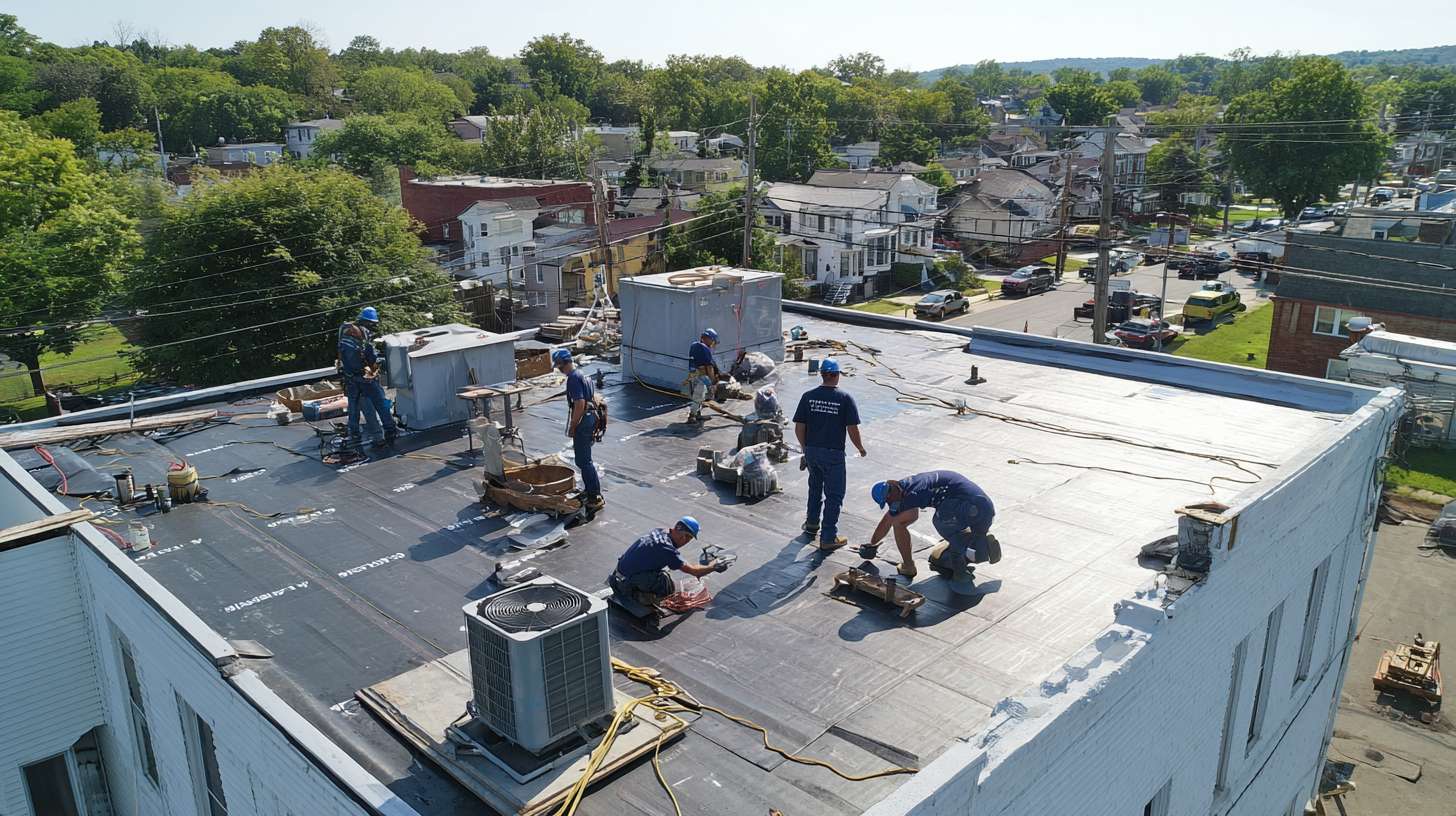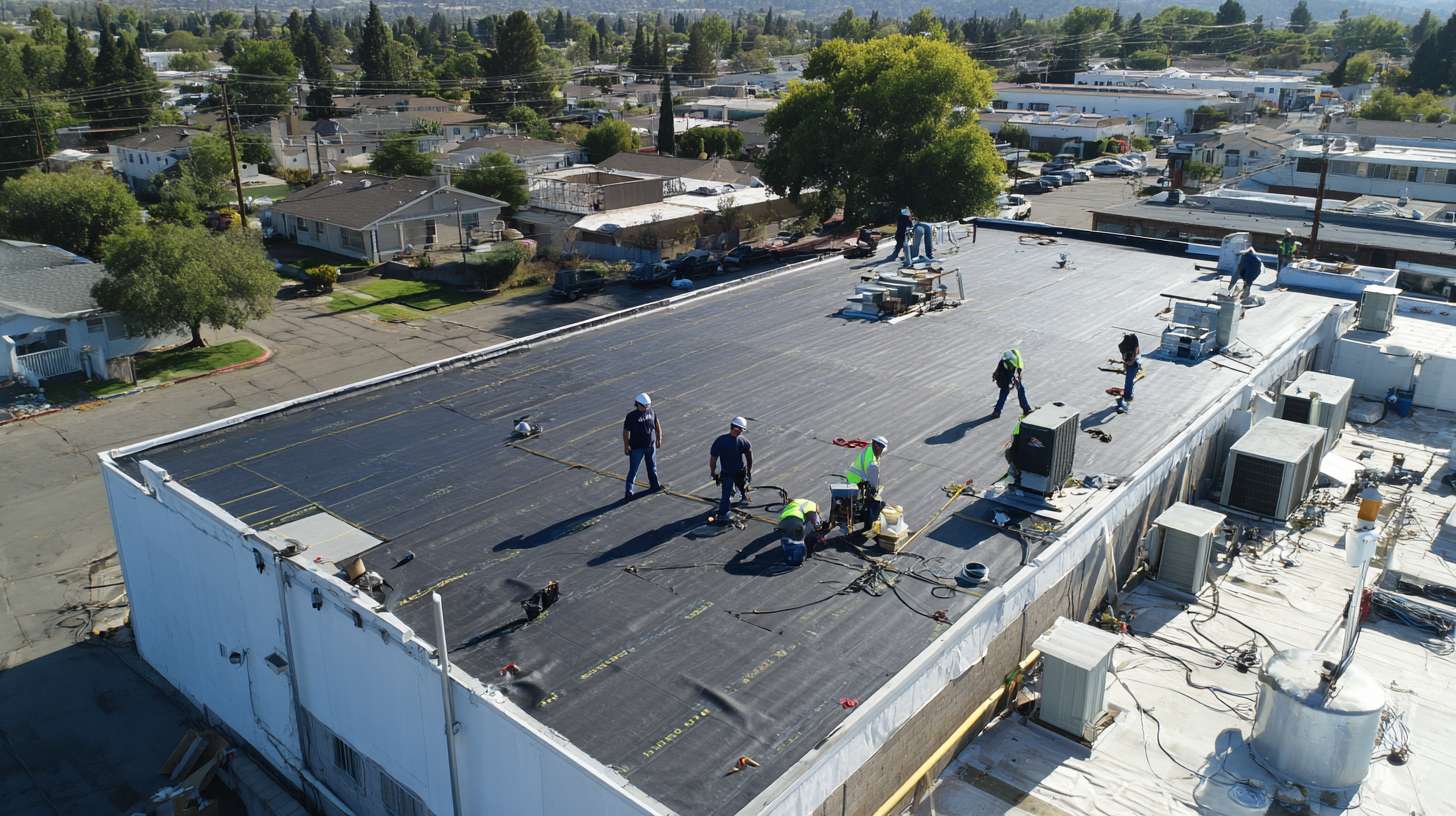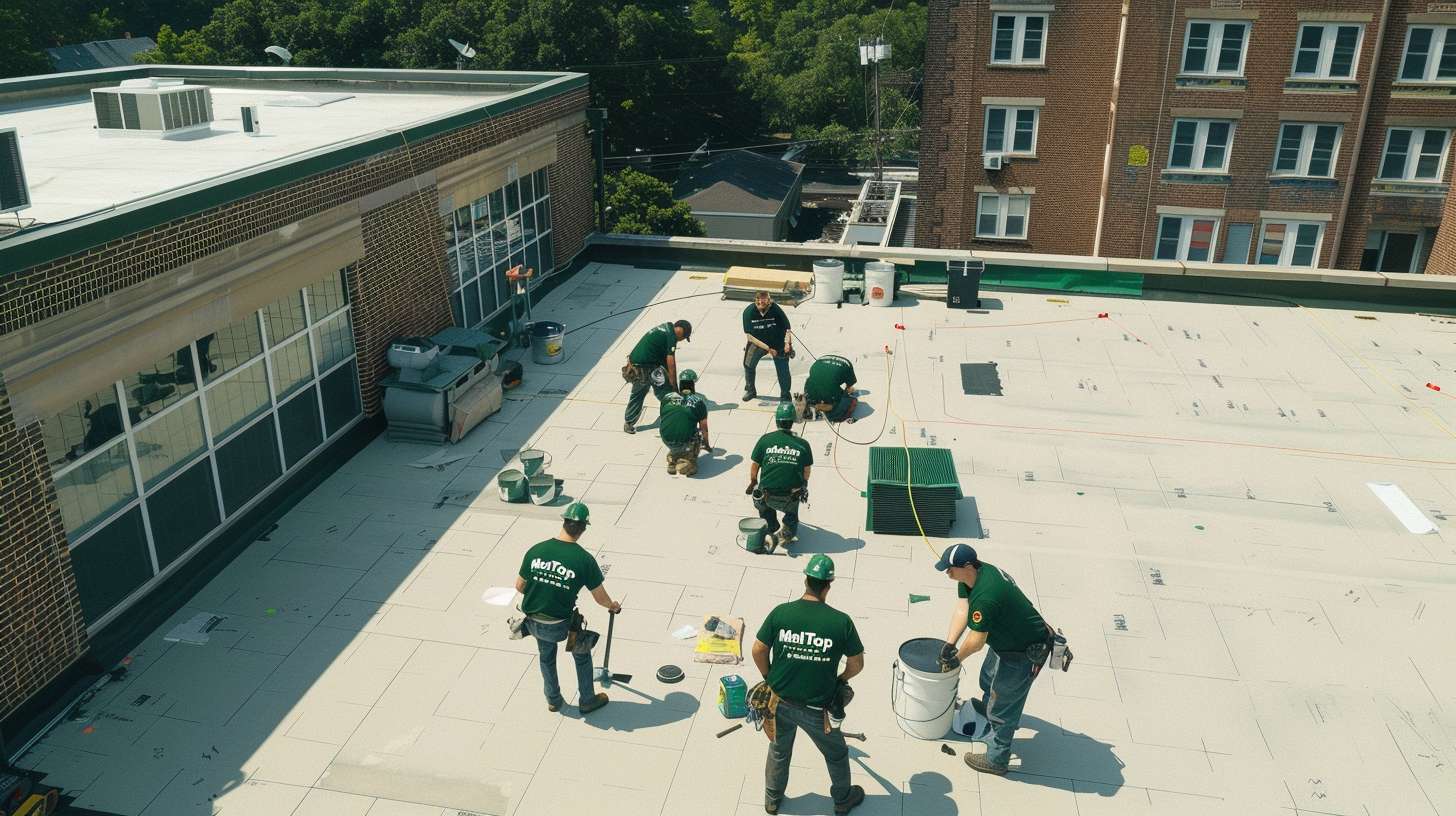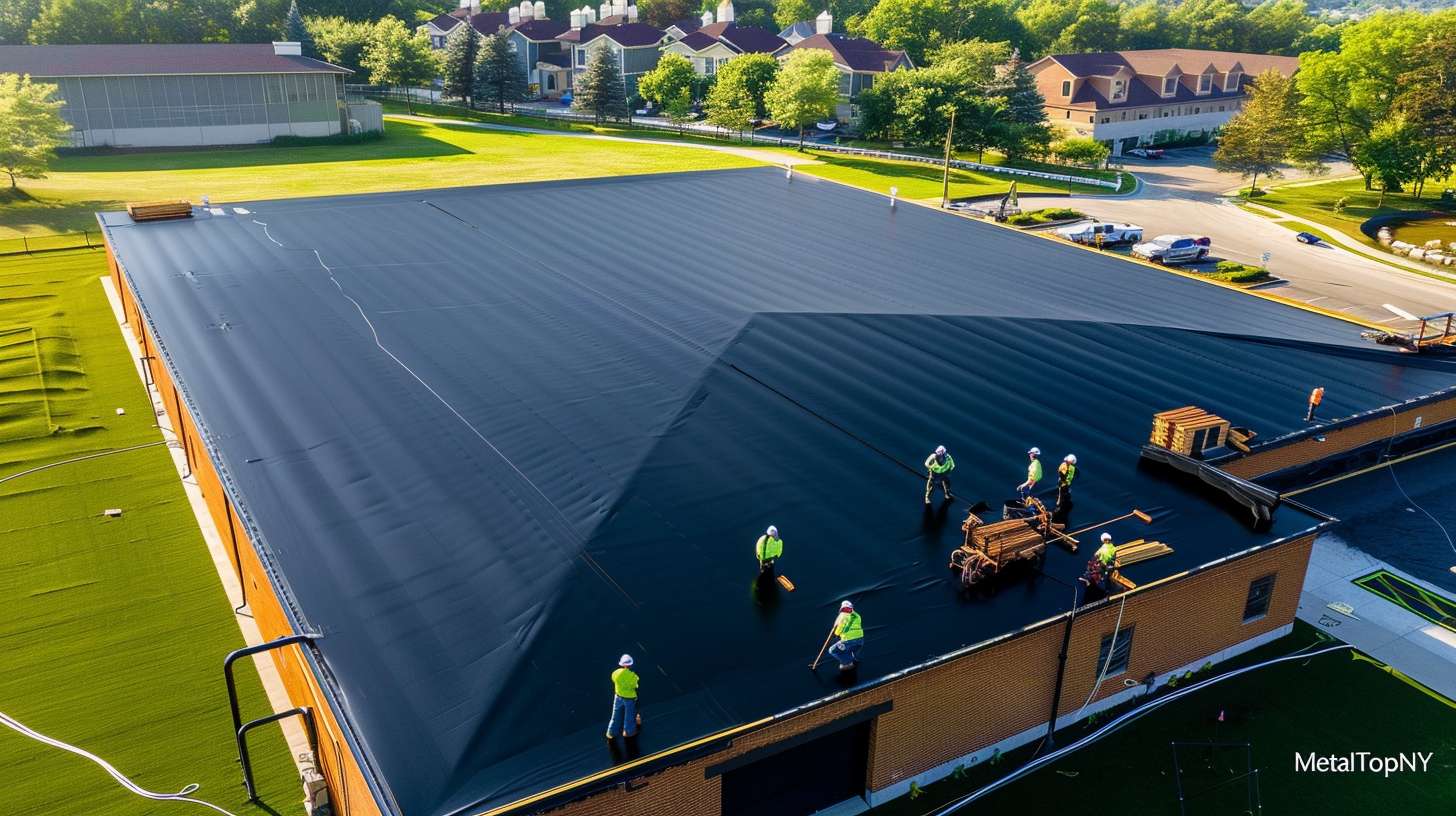
Expert Flat Roof Skylight Install Services in Nassau County
Can you really install a skylight on a flat roof in Nassau County without it leaking every time it rains sideways off the bay? Yes-if the curb, flashing, and roof membrane are installed as a single waterproof system. A flat roof skylight installation in Nassau County typically costs $2,400-$4,800 depending on skylight size, roof type, and structural framing, but 90% of “leaking skylight” callbacks I’ve handled over the last fifteen years came from one problem: the installer treated the skylight like a window dropped onto the roof instead of a penetration through a waterproof membrane that needs a proper curb, structural reinforcement, and membrane flashing tied back into the field. If you’re considering installing a skylight on flat roof membrane over your kitchen, hallway, or bathroom, here’s exactly how we do it without compromising your roof.
Why Most Flat Roof Skylight Installations Leak-and How to Avoid It
On a Baldwin kitchen renovation last spring over an EPDM roof, the homeowner called me after two roofers told her she couldn’t add a skylight without re-roofing the entire house. The roof was six years old, perfectly sound-they just didn’t want to cut and flash the membrane correctly. Here’s the truth about how to install a skylight on a flat roof: it’s absolutely possible on rubber (EPDM), TPO, PVC, and modified bitumen roofs, but only if you understand that flat roof membrane is a continuous waterproof layer, and every penetration-vents, pipes, skylights-must be integrated into that membrane using proper curbs and flashing, not surface-applied caulk or sealant.
The biggest mistake contractors make is treating a flat roof skylight install like a sloped-roof application. On a pitched roof, water runs downhill over step flashing and shingles overlap. On a flat or low-slope roof, water pools, sits, and finds every seam. That’s why flat roof skylights require a minimum 4-inch curb (usually 6-12 inches depending on your membrane type and manufacturer specs) to lift the skylight glass above standing water, snow melt, and debris accumulation.
Red flags you’re talking to the wrong installer:
- “We’ll just caulk around the frame-no curb needed on a flat roof.”
- “The siding guys can handle the skylight while they’re up there.”
- “It’s just like a window install.”
- “We’ll tar around the edges and you’ll be fine.”
What you should hear instead: a detailed explanation of curb construction, membrane tie-in method, flashing sequence, and structural reinforcement plan. If they can’t explain how they’re going to cut your specific roof membrane (EPDM, TPO, or modified) and flash the curb back into it, walk away.
Planning Your Flat Roof Skylight Installation: Structure, Location, and Roof Type
Before we cut anything, I walk the attic or top-floor ceiling with the homeowner to confirm three things: joist direction and spacing, existing insulation and vapor barrier, and whether there’s room between joists for the skylight rough opening without cutting structural members. Most Nassau County homes built 1950-1990 have ceiling joists running 16 inches on center; cutting one joist is manageable with proper headers, but if your skylight opening requires cutting two or more joists, you’re looking at engineered headers and potentially a structural engineer’s stamp depending on span and load.
On a Merrick cape with a second-floor flat roof over the kitchen, we wanted a 2×4-foot fixed skylight centered over the island. The joists ran perpendicular to the long axis of the skylight, which meant we’d cut one joist and frame in double headers on each end, sistering the adjacent joists for load transfer. That’s a straightforward one-day structural frame-up. But when the homeowner asked about a 4×6-foot opening over the same space, we’d be cutting three joists-now we’re into LVL or steel headers, permit requirements, and coordination with a structural engineer. Know your limitations before you fall in love with a skylight size.
Next consideration: roof membrane type and condition. EPDM (black rubber) is the most common flat roof membrane in Nassau County, followed by TPO (white thermoplastic) and modified bitumen (torch-down or cold-applied). Each membrane has specific flashing methods:
| Roof Membrane Type | Curb Flashing Method | Key Material | Typical Warranty Consideration |
|---|---|---|---|
| EPDM (Rubber) | Peel-and-stick uncured flashing wrapped up curb, sealed with lap sealant and cured EPDM cover strip | Uncured EPDM flashing tape, QuickPrime Plus, lap sealant | Penetrations must follow manufacturer detail or warranty voids |
| TPO | Heat-welded TPO inside and outside corner flashing, mechanically fastened base, heat-welded field sheet overlap | TPO membrane, heat welder, primer | All seams must be heat-welded; no adhesive-only curbs |
| Modified Bitumen | Torch-applied or cold-applied modified cap sheet over curb with 6-inch vertical rise and horizontal overlap onto field | Modified cap sheet, torch or cold adhesive, metal counterflashing | Metal counterflashing over modified prevents UV breakdown |
| PVC | Heat-welded PVC flashing similar to TPO; primer and welder required | PVC membrane, heat welder, PVC primer | Must use PVC-compatible materials throughout-no EPDM tape |
If your roof is under warranty, call the manufacturer or installing contractor before cutting. Most commercial roof warranties are voided by unauthorized penetrations unless you follow their published detail drawings and use compatible materials. On residential jobs, I always photograph the membrane manufacturer label (usually on a vent boot or edge termination) and download the skylight curb detail from their website before ordering materials.
How to Install a Flat Roof Skylight: The Step-by-Step Process
Here’s the sequence we follow on every skylight installation flat roof project in Nassau County, whether it’s a 2×2-foot fixed unit over a hallway or a 4×4-foot operable skylight over a primary bath.
Step 1: Interior Layout and Structural Framing
From inside, we mark the ceiling opening, confirm it’s centered where the homeowner wants light, then measure up into the joist bay to verify clearance and check for conflicts-wiring, HVAC ducts, plumbing vents. Once the opening is marked, we cut the drywall or plaster ceiling and expose the joists. If we’re cutting a joist, we install double 2×8 or 2×10 headers (matching existing joist depth) on each end of the opening, nailing them into the cut joist ends and face-nailing into the adjacent full joists. Those headers carry the load around the opening. Then we sister the joists on either side of the opening-nail a matching joist right alongside the existing one for 4-6 feet past the headers-to distribute the load laterally.
This framing creates a rectangular structural box in the ceiling. We sheath the inside with ½-inch plywood to create a light well frame that extends from ceiling to roof deck. The light well can be straight vertical or splayed (wider at the bottom) depending on how much light spread you want, but the framing must be solid because we’re about to cut the roof deck above it.
Step 2: Cut the Roof Deck and Build the Curb Frame
Up on the roof, we carefully peel back the membrane-on EPDM, that means rolling back a 3×3-foot section around the planned opening; on TPO or modified, we score and fold back enough material to work. Then we cut the roof deck (usually ½- or ⅝-inch plywood or OSB) following the interior framing below. The deck opening should match the interior rough opening exactly so the light well shaft is continuous from ceiling to roof.
Now we build the curb. A flat roof skylight curb is a raised wooden frame-typically built from 2×6, 2×8, or 2×10 lumber depending on required height-that sits on top of the roof deck around the opening. Minimum curb height for most flat roof applications is 4 inches above the finished membrane, but I typically build 6- to 8-inch curbs in Nassau County because we get heavy snow, ice dams on the roof edges, and wind-driven rain. The curb exterior gets sheathed with plywood, and the top gets a beveled wood cant strip or manufactured curb cap to create a slight slope for water runoff.
Here’s a critical detail most DIY guides skip: the curb must be flashed in two layers. The first layer (base flashing) goes under the field membrane and up the curb sides, then the field membrane laps over the base flashing. The second layer (counter flashing or cover flashing) wraps from the curb, down over the field membrane edge, and seals the top termination. This two-part flashing creates a shingle effect where every layer sheds water down and outward, never allowing water to migrate back under the membrane.
Step 3: Membrane and Flashing Integration (EPDM Example)
Let me walk through how to install skylight on flat roof with EPDM rubber, since it’s the most common membrane I encounter in Nassau County. The process for TPO is similar but uses heat welding instead of adhesive; modified bitumen uses torch or cold-applied cap sheet.
First, we clean the roof deck and curb with acetone or QuickPrime Plus to ensure adhesion. Then we cut strips of uncured EPDM flashing tape-this is a thick, sticky rubber material that bonds permanently to cured EPDM membrane and primed wood. We apply the uncured flashing in an “L” shape: horizontal across the roof deck extending 6 inches out from the curb, then vertical up the curb side at least 6 inches (preferably to the top of the curb). We do this on all four sides, carefully folding and sealing the corners.
Next, we roll the field membrane back into place, overlapping the horizontal leg of the uncured flashing by at least 3 inches. We seal this lap with EPDM lap sealant-a thick caulk-like adhesive that creates a watertight bond between the cured field membrane and the uncured flashing. Then we apply a 6-inch-wide cured EPDM cover strip over the entire lap, sealing both edges with lap sealant. This creates a triple-layer waterproof joint: uncured flashing bonded to deck and curb, field membrane lapped over flashing, and cover strip over the lap seam.
On the vertical curb faces, we apply metal counterflashing (aluminum or copper) over the EPDM flashing, mechanically fastened into the curb and sealed at the top edge. This protects the membrane from UV and provides a clean termination line. The skylight frame will sit on top of the curb, and we seal that joint with a compressible foam seal or EPDM gasket-never caulk alone.
Step 4: Set and Seal the Skylight Unit
With the curb fully flashed and sealed, we’re ready to install skylight flat roof glass. Most flat roof skylights are either fixed (non-opening) acrylic or glass domes, or operable (vented or access) units with insulated glass and a hinge mechanism. We set the skylight frame onto the curb, bed it in a continuous bead of polyurethane or silicone sealant, and through-bolt it to the curb with stainless steel lag screws every 8-12 inches. The skylight manufacturer’s installation manual will specify fastener spacing and sealant type-follow it exactly.
For fixed dome skylights, we typically add an aluminum adapter curb that transitions from the rectangular wood curb to the dome base. For flat glass skylights, the frame sits directly on the wood curb with a foam or rubber gasket. Either way, the key is compressive sealing: the weight of the skylight frame compresses the gasket or sealant into a watertight joint that can flex slightly with thermal expansion and building movement.
After the skylight is fastened, we add a final bead of sealant around the outside perimeter where the skylight frame meets the curb or counterflashing-this is a backup seal, not the primary waterproofing (the membrane integration below is the primary). Then we test. I carry a garden hose onto every flat roof skylight install and run water over and around the skylight for 10-15 minutes while someone watches from below. If there’s a leak, I want to find it now, not during the first rainstorm when the homeowner’s furniture is under the new skylight.
Step 5: Interior Light Well and Finishing
Back inside, we insulate the light well shaft with fiberglass batts or spray foam (depending on the homeowner’s preference and budget), then sheath the inside with drywall. The bottom of the light well-the ceiling opening-gets trimmed with painted wood or drywall return, creating a clean transition from skylight to ceiling plane. If the homeowner wants a diffused light effect, we can install a translucent acrylic panel at the ceiling level, turning the light well into a large indirect light fixture. For maximum direct light, we leave the shaft open so you’re looking straight up at the sky.
One detail that separates a professional flat roof skylight installation from a mediocre one: we always install a condensation gutter or drip edge at the bottom perimeter of the skylight frame inside the light well. In winter, warm interior air rises into the cold light well shaft and condenses on the skylight glass. Without a gutter, that condensation drips onto the ceiling drywall and causes staining or mold. A simple aluminum or PVC gutter channel with a small drain tube routed into the wall cavity solves the problem permanently.
Can You Install a Skylight on a Flat Roof? Common Questions Answered
Can you install a skylight on a flat roof if it’s not truly flat? Yes-actually, it’s easier. Most “flat” roofs in Nassau County have a slight slope (1/4 inch to 1 inch per foot) for drainage. That’s ideal for skylight installation because water naturally sheds toward the roof drains or scuppers. The only adjustment is curb orientation: we build the curb level (not following the roof slope) so the skylight glass sits level, which may mean the uphill side of the curb is slightly taller than the downhill side.
What’s the minimum roof slope for a flat roof skylight? Most skylight manufacturers require a minimum 2:12 roof pitch for standard sloped-glass skylights, but flat roof skylights (domes or horizontal glass with curbs) can be installed on roofs as low as 0:12 (dead flat) as long as the curb provides at least 4 inches of height above the membrane and the skylight is designed for flat-roof use. Check the manufacturer’s specs-some models are rated for 0:12, others require 1/4:12 minimum.
How do you prevent leaks around a flat roof skylight long-term? Three things: proper initial flashing (membrane integrated with curb, not surface-applied), routine maintenance (clear debris from around the curb and check sealant annually), and understanding that the skylight and roof are a system. When you re-roof in 15-20 years, the skylight curb flashing must be redone at the same time. You can’t just peel up the old membrane, lay new membrane, and “work around” the skylight. Budget for skylight re-flashing whenever you budget for a new roof.
Can you add a skylight to an existing flat roof without re-roofing? Yes, if the roof is in good condition (no major cracking, ponding, or failing seams) and less than 10-12 years old. We cut out the section around the skylight opening, flash the new curb into the existing membrane using compatible materials, and patch in new membrane around the curb. If your roof is near the end of its service life or shows significant deterioration, it’s smarter to re-roof first, then add skylights during or immediately after so the flashing and membrane age together.
Choosing the Right Skylight for Your Nassau County Flat Roof
Not all skylights work on flat roofs. Here’s what I recommend (and don’t recommend) based on fifteen years of flat roof skylight installations across Nassau County:
Best choice for durability and light: Fixed acrylic dome skylights with impact-resistant double- or triple-layer construction. These are virtually indestructible-I’ve seen them survive tree branches, hail, and ice dams without cracking. They shed water and snow easily because of the dome shape, and they’re available in clear, bronze, or white finishes to control light and heat. Brands like Velux, FAKRO, and SunOptics make excellent dome skylights sized from 2×2 feet up to 4×8 feet. Expect to pay $380-$950 for the skylight unit alone depending on size and features.
Best for views and aesthetics: Flat glass fixed skylights with aluminum or vinyl frames and insulated low-E glass. These look like a window in your ceiling-clean modern lines, maximum view of the sky, and good thermal performance if you choose double-pane low-E glass. The downside is cost ($850-$2,400 for the unit) and the need for very careful flashing because flat glass doesn’t shed water like a dome does. I only install these on roofs with positive drainage where water won’t pond around the skylight.
Best for ventilation: Operable (venting) dome or deck-mounted skylights with electric or manual opening mechanisms. These are ideal over kitchens or bathrooms where you want natural ventilation and light. The opening mechanism adds complexity and cost ($1,200-$3,200 for powered units with rain sensors), and operable skylights require more maintenance than fixed units because the seals and hinges need periodic inspection. But for a stuffy top-floor bathroom or kitchen with no windows, an operable skylight transforms the space.
What I don’t recommend: Tubular skylights (sun tunnels) on flat roofs. These work great on sloped roofs where you can angle the tube down into a closet or interior hallway, but on a flat roof, the tube runs straight down, which limits placement to directly below the roof opening. You lose the flexibility that makes tubular skylights useful. Just install a standard skylight and build a light well shaft-you’ll get more light, a better view, and a more durable installation for not much more money.
Costs and Timing for Flat Roof Skylight Installation in Nassau County
A complete skylight flat roof installation in Nassau County-from structural framing through finished interior light well-typically costs $2,400-$4,800 depending on these variables:
Skylight size and type: A 2×2-foot fixed acrylic dome runs $380-$600 for the skylight itself. A 4×4-foot flat glass low-E unit runs $1,400-$2,200. Add $600-$1,200 for electric operable mechanisms.
Structural framing: If we’re cutting one joist and installing headers, that’s $350-$650 in labor and lumber. If we need engineered beams or steel, add $800-$2,000 for materials and engineering.
Roof type and condition: Flashing into EPDM is straightforward-$450-$750 for materials and labor. TPO requires heat welding equipment and certification-add $200-$400. Modified bitumen is labor-intensive-add $300-$600 for torch work and metal counterflashing.
Interior finishing: A basic drywall light well shaft with paint runs $600-$1,100. Add $400-$800 if you want the shaft insulated and vapor-barriered. Custom trim, splayed walls, or acrylic diffuser panels add another $300-$900.
Total installed cost for a typical 2×4-foot fixed dome skylight over an EPDM flat roof: $2,800-$3,600. For a 4×4-foot operable flat glass skylight with insulated light well and premium interior trim: $5,200-$7,400.
Timing: We can complete most single-skylight flat roof installations in 2-3 days-day one for framing and roof cutting, day two for curb, flashing, and skylight setting (weather permitting), day three for interior insulation and drywall. Weather is the variable: we won’t cut a flat roof if rain is forecast within 24 hours, and we won’t set a skylight in high wind. Plan for a one-week window to accommodate weather delays, especially November through March.
Working with Platinum Flat Roofing on Your Skylight Project
When you’re ready to add natural light to your Nassau County home with a professionally installed flat roof skylight, we’ll start with an attic and roof inspection to confirm structure, membrane type, and feasibility. We’ll show you exactly where the opening will go, what we’ll need to cut and reinforce, and how we’ll flash the curb into your specific roof membrane. You’ll get a written scope that details materials, methods, and timeline-no vague “we’ll seal it up” language. And after installation, we’ll walk you through the completed work, show you the flashing details, and explain what to watch for during routine roof maintenance.
Flat roof skylight installation isn’t complicated if you treat the skylight as a roof penetration first and a window second. Get the structure right, build a proper curb, flash the membrane correctly, and seal the skylight to the curb with manufacturer-approved methods. Do that, and you’ll have leak-free natural light for the next twenty years. Skip any of those steps, and you’ll have ceiling stains and repair bills before the first winter is over.