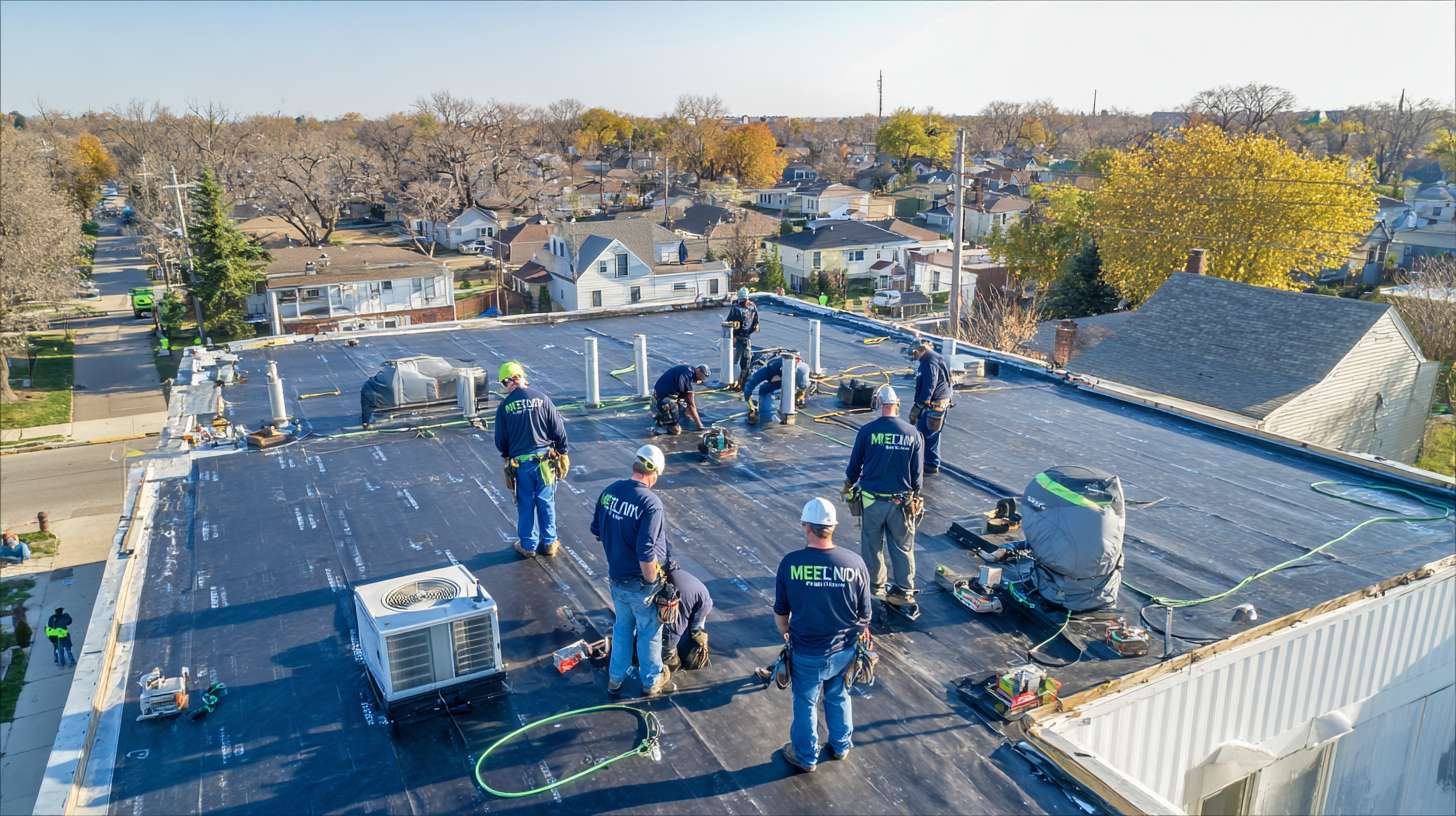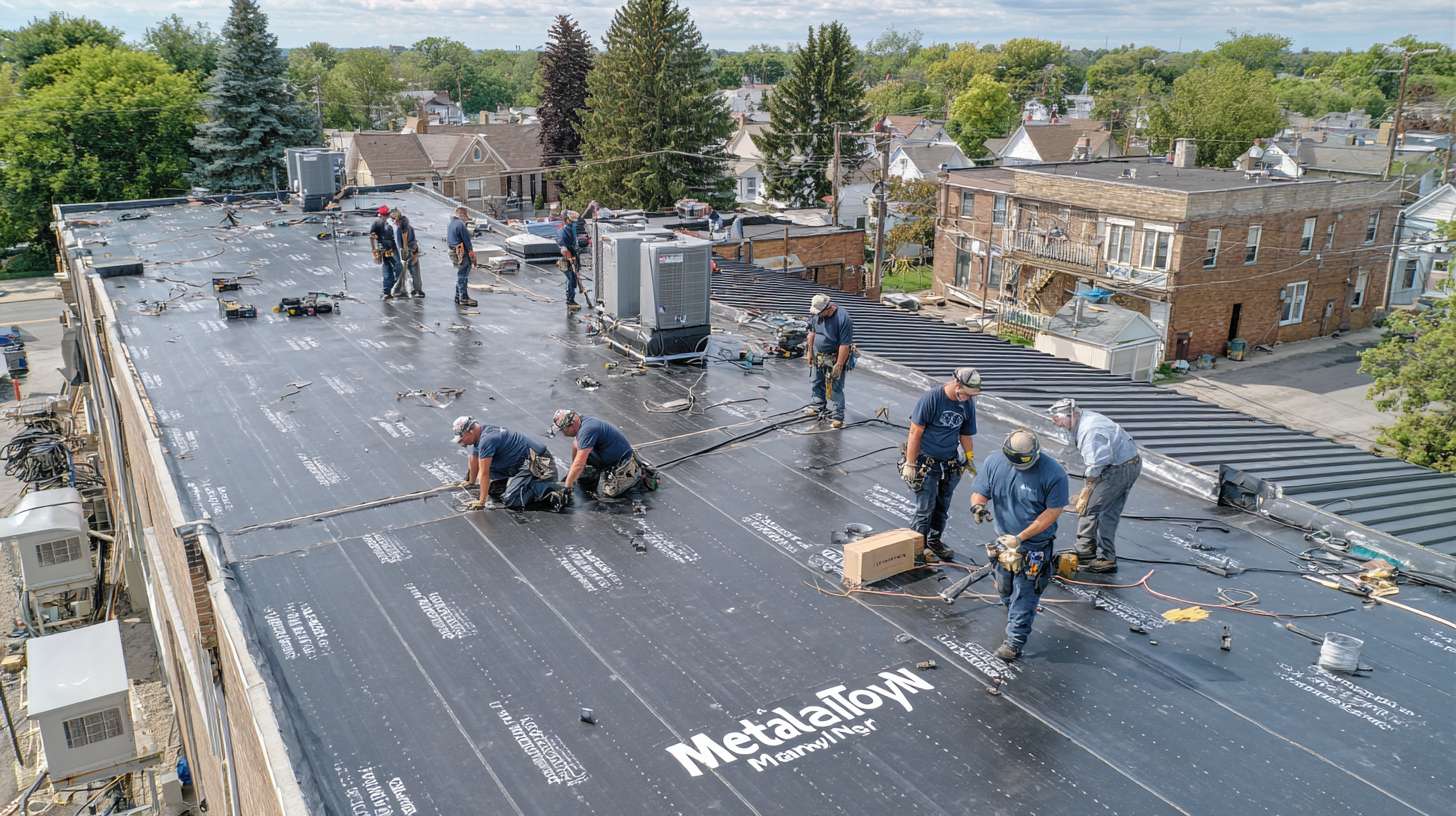
Expert Solutions to Fix Flat Roof Leak in Nassau County
Most homeowners spot water staining on their ceiling and immediately climb up to slap roof cement on the first visible crack or seam they find. Here’s the problem: on a flat roof, water can travel 15-20 feet from where it enters to where you see the stain, and that quick patch often just redirects water sideways under the membrane, showing up as a “new” leak six feet to the left two months later. Fixing a leaking flat roof isn’t about covering every crack with black goop-it’s about finding the real entry point, understanding how water moves across your particular roof system, and choosing a repair method that matches your roof type and Nassau County’s weather patterns.
After 17 years tracking down stubborn flat roof leaks across Nassau County-from small Massapequa garages to Baldwin split-levels to Merrick home additions-I’ve learned that the homeowners who succeed with flat roof repairs follow a simple rule: diagnose first, patch second. Let’s walk through exactly how to fix a flat roof leak the right way, when you can safely DIY, and when calling a professional saves you money in the long run.
Finding the Real Source: Where Is Water Actually Entering?
The visible water stain on your ceiling is almost never directly below the leak on a flat roof. Water enters through a tiny gap-maybe at a seam, around a vent pipe, or where the roofing meets a parapet wall-then travels along the roof deck or between membrane layers until it finds a low spot or penetration to drip through. On a recent job on a Wantagh ranch, the homeowner saw staining near the center of the room but the actual entry point was at the perimeter edge flashing, 18 feet away.
Start your investigation from the inside. Go into your attic or crawl space during or right after rain with a flashlight. Look for:
- Wet insulation or water trails on the underside of the roof deck
- Moisture following roof deck seams or running toward penetrations
- Dark streaks showing the water’s path from entry to drip point
If you can trace the water back toward its source from below, you’ll have a much better starting point topside. No attic access? You’ll need to work from above using a methodical grid approach.
Outside, focus on these high-probability leak zones on Nassau County flat roofs:
- Seams and laps: Where membrane sheets overlap, especially on older modified bitumen or rolled roofing
- Penetrations: Vent pipes, chimneys, skylights, AC units-anywhere something pokes through the roof
- Perimeter flashings: Where the flat roof meets a vertical wall, parapet, or transitions to a pitched section
- Low spots with standing water: Ponding water longer than 48 hours after rain will eventually find or create a way through
- Old patch jobs: Previous repairs often fail first because they’re layered over existing problems
Here’s a technique I use on problem roofs: the controlled hose test. On a dry day, have someone inside watching for drips while you slowly run water over suspect areas for 5-10 minutes each, starting at the highest point and working down. This isolates the exact entry zone. Just did this on a Levittown garage last month-homeowner thought the leak was at a seam, but the hose test proved it was actually a pinhole in the membrane near a roof drain that tree debris had punctured.
Understanding Your Flat Roof Type: Why This Matters for Repairs
Not all flat roofs leak the same way, and how to fix a flat roof leak depends entirely on what’s actually up there. Nassau County homes typically have one of four systems:
Modified Bitumen (Mod-Bit): Looks like rolled roofing with a granulated surface, usually torch-applied or cold-adhesive. Common on 1980s-2000s additions and garages. Leaks typically happen at seams or where the torch didn’t fully melt the adhesive layer. These roofs respond well to heat-welded patches or compatible cold-applied sealants, but you can’t just smear anything on them-sealant chemistry has to match.
Built-Up Roof (BUR): Multiple layers of felt and hot tar, topped with gravel or a smooth cap sheet. Older homes, pre-1980s. These leak when the felt layers separate or when perimeter flashings pull away. Patches need to go down to sound material, which often means cutting out and rebuilding the layered section-not a great DIY project.
EPDM Rubber: Black rubber membrane, usually seen on newer additions or professionally installed systems from the 1990s forward. Leaks at seams (which are glued or taped), around penetrations, or where UV has degraded the rubber after 20+ years. EPDM repairs require specific EPDM primers and patches-roofing cement will not stick long-term.
TPO or PVC: White or light-colored single-ply membranes, heat-welded at seams. Usually commercial or high-end residential. If you have TPO or PVC and it’s leaking, call a pro-these require specialized welding equipment and attempting a DIY fix almost always makes it worse.
Spend five minutes identifying your roof type before buying any materials. I’ve seen homeowners waste $200 on the wrong products because they assumed “flat roof sealant” works on everything. It doesn’t.
What You Can Safely Fix Yourself (And What Needs a Pro)
Let’s be honest about limits. Some flat roof leak repairs are straightforward weekend projects; others look simple but hide structural issues that turn a $300 patch into a $3,500 deck replacement if you get it wrong.
DIY-Friendly Repairs:
- Small punctures or tears in EPDM rubber (less than 4 inches), using proper EPDM patch kits
- Resealing around vent pipe boots with compatible flashing sealant
- Re-adhering lifted seam edges on mod-bit (if the membrane itself is sound)
- Applying elastomeric roof coating to small areas with minor weathering
- Clearing debris from drains and gutters that’s causing ponding
Call a Professional For:
- Any leak where you see water-damaged or spongy roof decking from below
- Extensive seam failures across multiple sections
- Leaks at parapet walls or complex flashing intersections
- Ponding areas that indicate structural sagging (roof deck has bent)
- Any TPO, PVC, or spray foam roof-these need specialized equipment
- Leaks you’ve already patched twice without success
On a Baldwin split-level I looked at last spring, the homeowner had patched the same seam four times over two years. Turns out the deck underneath had rotted and was flexing every time someone walked on it, breaking any patch within months. That’s a $1,200 deck repair plus new membrane-attempting another DIY patch would’ve been throwing good money after bad.
Step-by-Step: How to Fix a Leaking Flat Roof (DIY Method)
If you’ve identified a DIY-appropriate leak and confirmed your roof type, here’s the methodical approach that actually works:
Step 1: Clean and dry the repair area thoroughly. This is where most DIYers fail. Use a stiff brush to remove all dirt, loose granules, and old sealant. If the surface is damp, wait for 48 hours of dry weather or use a propane torch to carefully dry it (keep moving, don’t burn the membrane). New sealant or patch over dirt or moisture will fail within months.
Step 2: Cut out damaged material if necessary. For punctures or tears, you need to remove the damaged section down to sound membrane. Use a utility knife, making clean cuts-don’t just layer over the hole. Small holes (under 1 inch) can sometimes be cleaned and filled; anything larger needs a patch.
Step 3: Apply the appropriate primer. EPDM needs EPDM primer. Mod-bit works with asphalt-based primers. This step creates the chemical bond-skip it and your patch peels off in the first winter freeze-thaw cycle. Follow the product’s temperature guidelines; most won’t bond properly below 50°F, which matters in Nassau County’s spring and fall.
Step 4: Install the patch material. For EPDM, use a peel-and-stick EPDM patch that overlaps the damaged area by at least 3 inches on all sides. Roll it firmly with a hand roller to eliminate air bubbles. For mod-bit, you can use a heat gun (carefully) to soften compatible patch material and press it down, or use cold-applied patch fabric with roofing cement. The patch should be rounded at corners-square corners lift first.
Step 5: Seal the edges. Run a bead of compatible sealant around the entire patch perimeter. For EPDM, use EPDM-compatible caulk (like Geocel 2300 or similar). For mod-bit, use a quality asphalt-based lap sealant. Smooth it with a putty knife so water sheds over it, not under it.
Step 6: Test and inspect after the next rain. Don’t assume your patch worked. Check from below after the first good rain. If it’s still leaking, you either missed the real source or the repair didn’t bond properly-time to reassess or call in help.
Material Selection: What Actually Works on Nassau County Roofs
Walk into any big-box store and you’ll find 30 products claiming to fix flat roof leaks. Most are garbage for long-term repairs. Here’s what holds up to Nassau County’s freeze-thaw cycles, summer UV, and coastal moisture:
| Roof Type | Recommended Product | What to Avoid | Approximate Cost |
|---|---|---|---|
| EPDM Rubber | QuickSeam or EternaBond tape for seams; Peel-and-stick EPDM patches for tears | Generic “roof cement” or tar-based products | $25-$45 for patch kit |
| Modified Bitumen | Henry 289 or similar asphalt-based lap sealant; Compatible torch-patch rolls | Silicone or acrylic sealants (won’t bond) | $15-$35 per tube/roll |
| Built-Up Roof | Hot asphalt (pro work); Cold-process roof cement for emergency only | Single-component “brush on” coatings | $200-$400 pro patch |
| General/Flashing | Geocel 2300, Tremco Spectrem, or Sikaflex-polyether or polyurethane sealants | Cheap acrylic or latex caulks (fail in 6-12 months) | $8-$18 per tube |
Don’t cheap out on materials. The difference between a $6 tube of hardware store roof cement and a $15 tube of actual elastomeric sealant is whether your patch lasts 8 months or 8 years. I’ve gone back to the same Merrick garage three times because the owner kept buying the $5 option-he’s now spent $45 and still has a leak, when one $18 tube of the right product would’ve solved it the first time.
When Coating Is a Better Option Than Patching
Sometimes fixing a leaking flat roof means stepping back and looking at the whole surface. If your roof has multiple small issues-surface cracking, minor seam lifting, UV damage-spot-patching each problem becomes a never-ending chase. That’s when a roof coating system makes economic sense.
Elastomeric acrylic or silicone coatings can be rolled or sprayed over sound EPDM, mod-bit, or built-up roofs, creating a seamless, UV-reflective layer that seals multiple small leaks at once and extends the roof’s life by 5-10 years. The catch: the existing roof must be structurally sound and relatively dry. You can’t coat over spongy decking or wet insulation-that requires a full tear-off.
Coating a small residential flat roof (like a 300-square-foot porch or garage) typically costs $1,200-$2,400 professionally installed, or $400-$700 in materials for a capable DIYer with proper equipment. Compare that to $3,500-$6,500 for a full replacement, and it’s often the smart middle option when you’re three years away from a total redo but tired of chasing leaks.
I coated a Seaford garage roof last fall-homeowner had patched six different spots over three years. We cleaned it, primed it, and rolled on two coats of Henry 887 Tropicool. Eight months later, through a harsh winter, no leaks. That roof probably has another seven years before replacement, and the coating cost him $1,650 including my labor.
Common Mistakes That Make Flat Roof Leaks Worse
Let me save you from the errors I see repeatedly:
Patching over wet surfaces. Water trapped under your patch will freeze, expand, and rip the repair apart by February. If it rained yesterday, wait two dry days minimum. Feel the surface-if it’s cool to the touch or darker than surrounding areas, it’s still holding moisture.
Using the wrong sealant chemistry. Asphalt products don’t bond to EPDM. Silicone won’t stick to dirty surfaces. Acrylic breaks down in standing water. Match the product to the substrate and application, period.
Ignoring ponding water. If water sits more than 48 hours after rain, you have a drainage or structural problem. Patching the leak without fixing the ponding just delays the inevitable next failure. This often means adjusting roof drains, adding crickets, or in worst cases, reinforcing sagging decking.
Patching from below. Spraying foam or coating the ceiling from inside might hide the stain, but water is still entering and spreading through your roof system. You haven’t fixed anything; you’ve just hidden the evidence while rot spreads.
Over-relying on “miracle” tapes. Yes, products like EternaBond are excellent-when used correctly on properly prepped surfaces for their designed purpose. Slapping them over dirt, wrinkles, or the wrong substrate gives you a false sense of security for about three months.
Professional Repair Costs in Nassau County: What to Expect
If your leak investigation leads you to call Platinum Flat Roofing or another qualified contractor, here’s the realistic cost breakdown for Nassau County in 2024:
Small targeted patch repair (under 10 square feet): $325-$550, depending on roof type and access. This covers a service call, leak diagnosis, material, and warranty on the repair work. EPDM patches run cheaper; built-up roof repairs or anything requiring deck work costs more.
Moderate repair (seam work, flashing replacement, 10-50 square feet): $650-$1,400. Often involves multiple seams, perimeter flashing, or penetration reflashing. These take 4-6 hours of careful work and significant material.
Coating existing flat roof (residential scale, 200-600 sq ft): $1,200-$3,200 depending on roof condition, coating type, and prep work required. Includes cleaning, minor repairs, primer, and two-coat system.
Partial roof replacement (one section, major damage): $2,800-$6,500 depending on size and whether deck repair is needed. This is for when 30% or more of your flat roof has failed and patching no longer makes economic sense.
Emergency leak service (same-day or next-day): Add $150-$250 to the above prices for priority scheduling during busy seasons or after major storms.
Get at least two estimates. Any contractor who gives you a price over the phone without seeing the roof is guessing. Any quote that’s 40% lower than others probably involves shortcuts-substandard materials, unlicensed labor, or “repairs” that won’t last through next winter.
Preventive Maintenance: Stop Leaks Before They Start
The best time to fix a flat roof leak is before it happens. Twice-yearly inspections-spring and fall-catch small problems while they’re still $50 fixes instead of $1,500 disasters.
What to check every six months:
- Clear all drains, scuppers, and gutters of leaves and debris
- Look for new ponding areas after rain
- Check all seams for lifting or separation
- Inspect flashing around penetrations for cracks or gaps
- Look for surface cracks, blisters, or worn areas in the membrane
- Trim back any tree branches within 6 feet of the roof surface
Keep a simple roof log-date, what you observed, any minor issues you addressed. When you eventually need professional work, this history helps contractors understand your roof’s pattern and make smarter recommendations.
A Hicksville homeowner I work with does his own spring and fall inspections, takes photos, and emails me when he spots something concerning. Over five years, we’ve done three small preventive repairs that cost him under $400 each. His neighbor ignores his flat roof until water’s dripping, then needs emergency service-he’s spent over $3,200 in the same timeframe on bigger problems that could’ve been caught early.
When It’s Time to Replace, Not Repair
Sometimes the honest answer to how to fix a leaking flat roof is: you don’t. You replace it. If your roof shows three or more of these signs, patching is throwing money away:
- Roof is over 20 years old (15+ for economy materials)
- Multiple leak locations across different areas
- Widespread surface cracking or brittleness
- Soft or spongy areas indicating deck damage
- More than 30% of the roof has been patched already
- Ponding in multiple locations suggesting structural sag
A full flat roof replacement on a typical Nassau County garage (300-400 sq ft) runs $3,500-$7,500 depending on system choice, deck condition, and access. A small porch or addition (200-300 sq ft) might be $2,800-$5,200. Yes, it’s a significant investment, but a quality new flat roof gives you 15-25 years of leak-free peace-versus chasing recurring leaks and spending $500-$800 per year on patches that buy you six months at a time.
I evaluated a Bellmore garage last year where the homeowner had spent $2,400 over four years on various leak repairs by different contractors. The roof was 23 years old, had six patched areas, and the deck was starting to show soft spots. We replaced it for $4,200. Eighteen months later, zero issues. He wishes he’d made that call after the first $500 patch failed.
Working with Platinum Flat Roofing: Our Diagnostic Approach
When Nassau County homeowners call Platinum Flat Roofing with a leak, we don’t just show up with a bucket of tar and call it fixed. Every service call starts with a methodical diagnostic-moisture meter readings, hose testing when needed, interior and exterior inspection, photos documenting what we find.
You get a written summary of the actual problem, repair options with transparent pricing, and an honest assessment of whether repair makes sense or if you’re better off planning a replacement. We specialize in “problem roofs” that others have patched repeatedly without solving the core issue-often because they treated symptoms instead of investigating causes.
Our repairs come with a one-year workmanship warranty on patches, two-year warranty on coating systems, and up to 10-15 years on full replacements depending on the system installed. We use manufacturer-specified materials for each roof type-no generic “one product fits all” shortcuts that fail in 18 months.
Most importantly: if we can teach you how to handle a simple repair yourself, we will. Not every leak needs a contractor, and building that trust means you’ll call us first when you do need professional help-or when it’s time for a full roof down the road.
Final Thoughts: The Right Fix for Your Situation
Fixing a flat roof leak isn’t rocket science, but it does require patience, proper diagnosis, and matching your repair method to your specific roof type and leak cause. The homeowners who succeed-whether DIY or hiring a pro-are the ones who resist the urge to rush, who invest time in finding the real entry point, and who use quality materials designed for their roof system.
Start with a thorough investigation. Be honest about your skill level and comfort working on a roof. Choose materials that match your roof chemistry. Test your repair after the next rain. And know when the smartest “fix” is actually a strategic replacement that stops the leak-patch-leak cycle for good.
Your flat roof keeps Nassau County weather out of your home, garage, or addition. It deserves more than a guess and a tube of whatever was cheapest at the hardware store. Take the time to do it right-or call someone who will-and that leak becomes a solved problem instead of an expensive ongoing headache.