“`html
Professional Help Inspecting a Flat Roof in Nassau County
Most homeowners only think about their flat roof when a water stain appears on the ceiling-by then, you’re looking at $2,800-$4,500 in repairs instead of a $175 fix. A proper flat roof inspection in Nassau County twice a year catches clogged drains before winter freeze-thaw cycles crack your membrane, spots cracked seams while they’re still pencil-thin instead of wide enough to slide a credit card through, and identifies minor ponding areas before they turn into structural problems. After 21 years inspecting residential and small commercial flat roofs across Nassau County, I’ve documented the same pattern over and over: the difference between a $200 maintenance visit and a $12,000 roof replacement usually comes down to whether someone walked that roof in April and September with a checklist and a camera.
How Often Should Flat Roofs Be Inspected in Nassau County
The short answer: twice a year, minimum-once in spring after winter damage and once in late summer before hurricane season. Here’s why that timing matters specifically for Nassau County flat roofs.
Our weather pattern creates distinct damage windows. Winter freeze-thaw cycles stress seams and flashings-water gets into small cracks, freezes, expands, and turns hairline separations into real leaks. Spring nor’easters dump water faster than clogged drains can handle. Summer heat ages membrane materials and softens adhesives. Fall leaves clog drainage systems right before winter hits. Each season creates specific problems, and the twice-yearly schedule catches them at the optimal moment.
I recommend early May inspections (after the last freeze risk but before summer heat) and late September inspections (after summer stress but before leaf drop). On a Baldwin two-family we’ve been inspecting since 2019, that schedule caught a failing HVAC curb flashing in May 2022-cost $340 to reseal. The owner’s neighbor, who skipped inspections, discovered the same issue that December when water poured into their second-floor unit during a rainstorm. Their repair, complicated by interior water damage and emergency timing, ran $3,200.
Beyond the biannual schedule, inspect immediately after any major weather event-tropical storms, nor’easters with sustained winds over 40 mph, or heavy snow loads above 12 inches. Also schedule an inspection if your building is 15+ years old and you don’t have recent documentation, or within 60 days of purchasing a property with a flat roof. Insurance adjusters in Nassau County increasingly request inspection records when processing claims; regular documentation protects both your roof and your coverage.
What a Professional Flat Roof Inspection Actually Includes
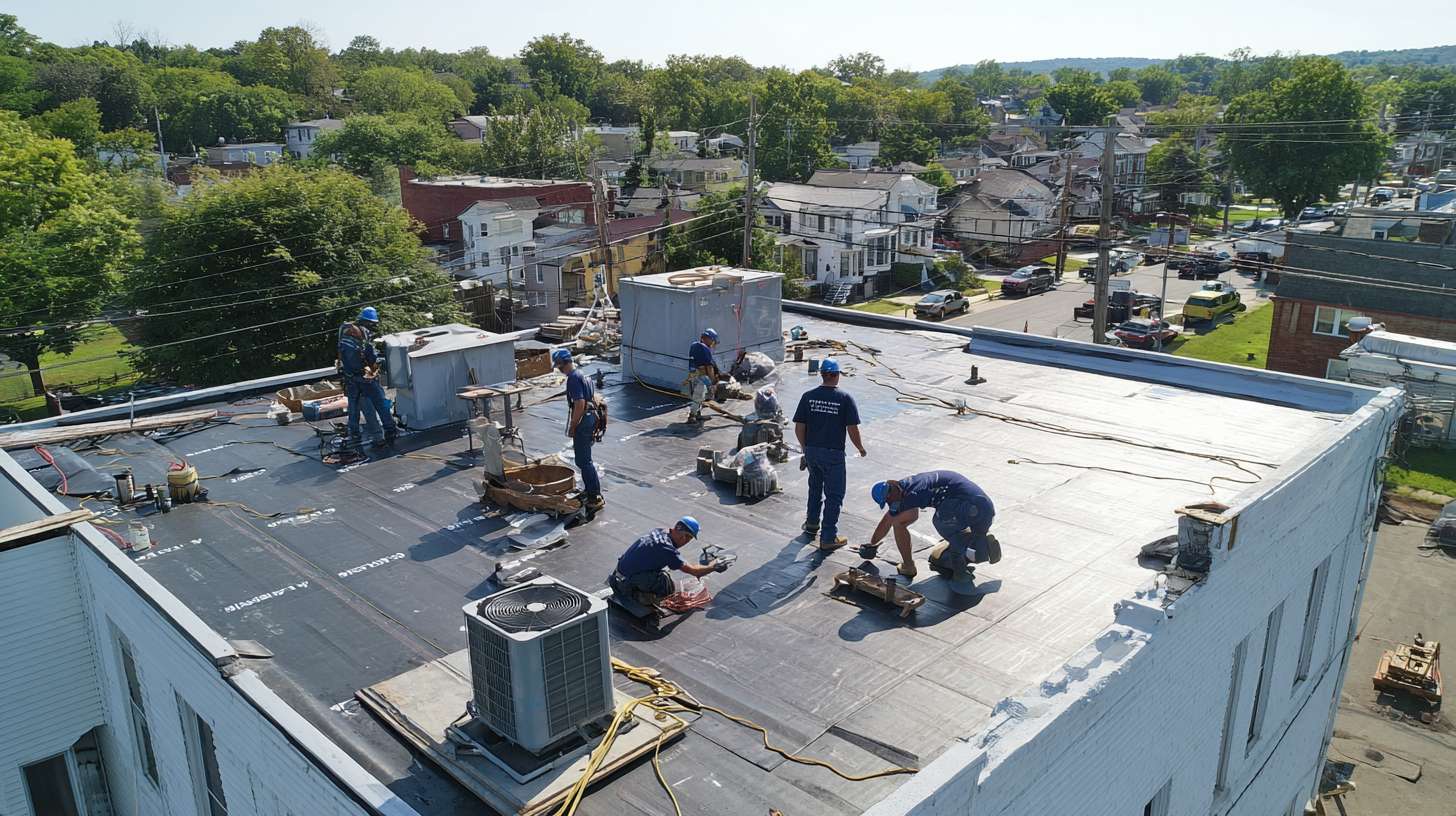
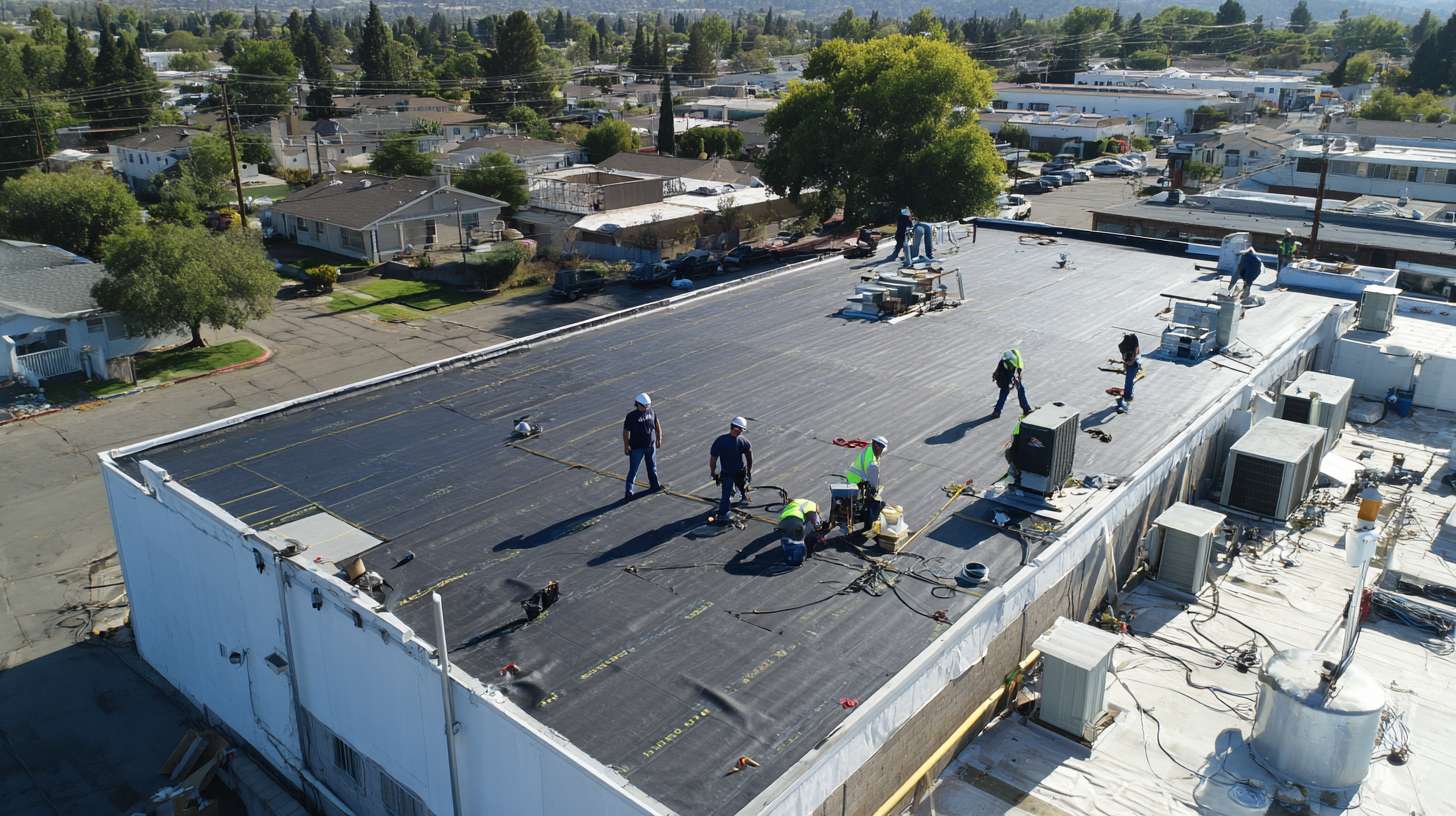
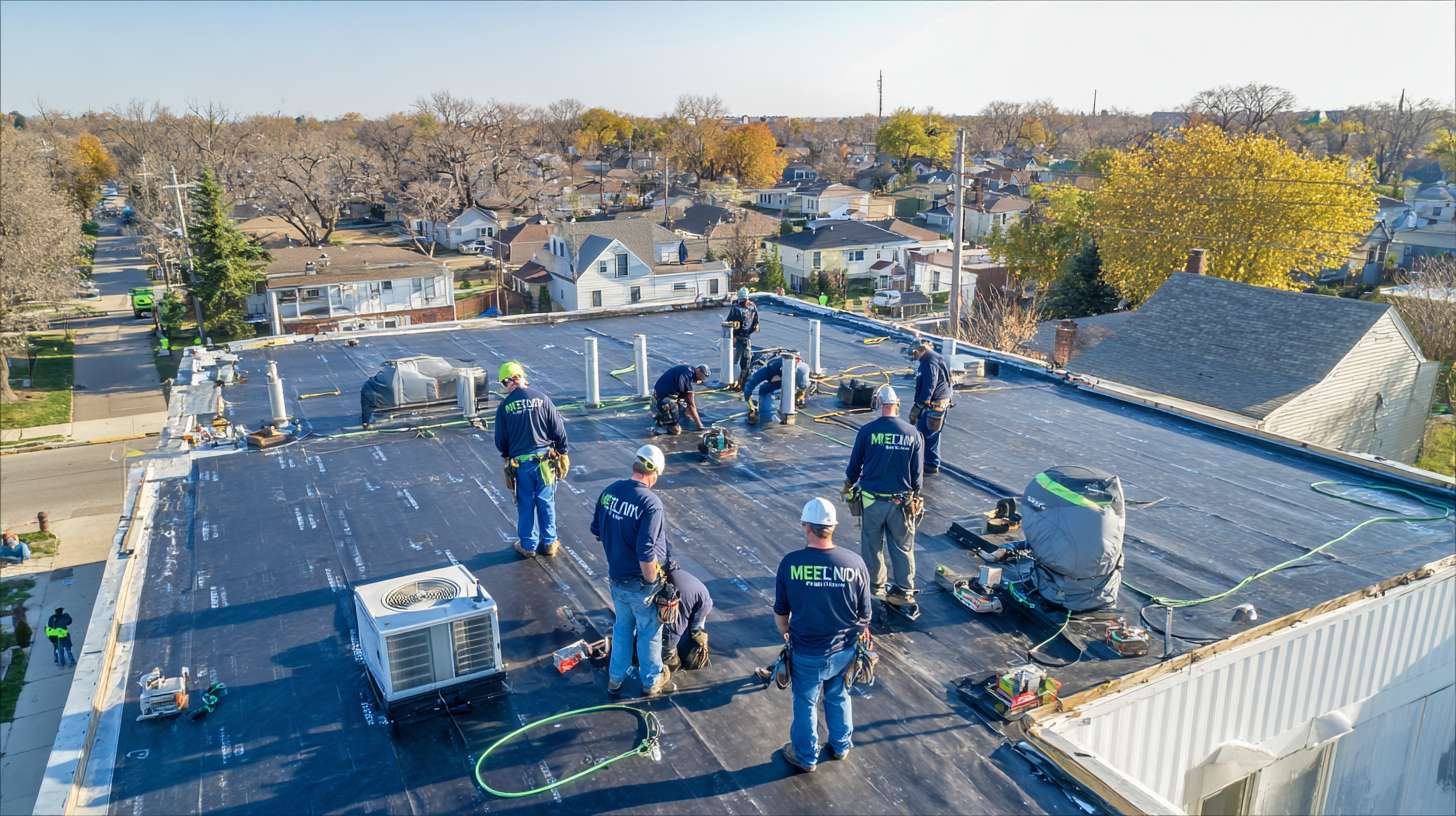
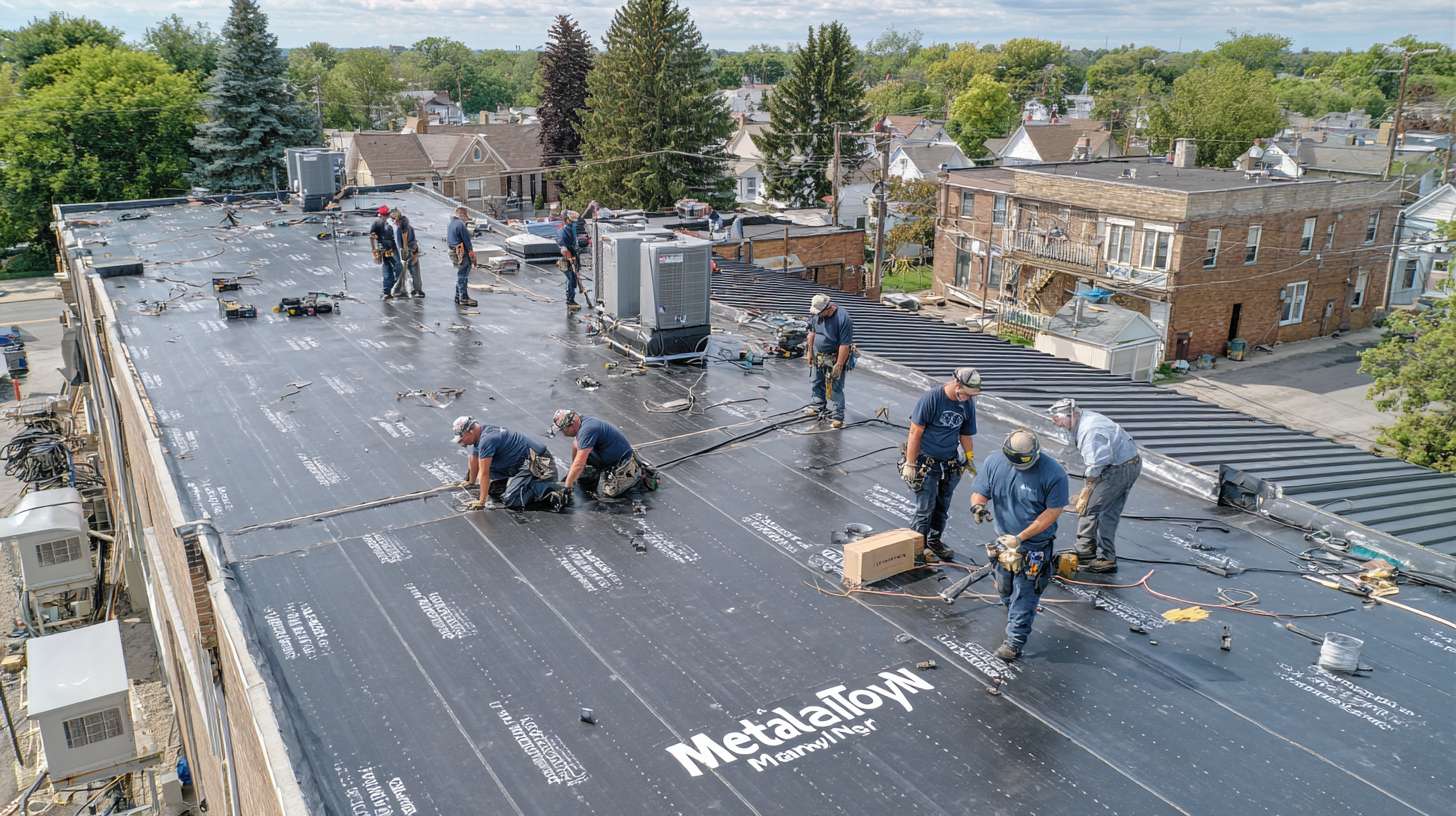
A real flat roof inspection isn’t someone glancing from a ladder. It’s a systematic walk-through covering every vulnerable point where water can enter or materials can fail. Here’s the checklist I use on every Nassau County property, with the reasoning behind each item.
Surface Condition and Membrane Integrity
I start by walking the entire roof surface in a grid pattern, looking at the membrane material itself. On a Massapequa retail building we inspect, the modified bitumen roof showed surface cracking in a 6×8-foot area near the HVAC unit-not from age but from technicians walking the same path to service equipment twice a month for three years. Caught early in our September 2021 inspection, we applied a reinforced coating for $680. Left alone, that traffic pattern would have worn through the membrane within 18 months.
During surface inspection, I document:
- Cracks, splits, or tears in the membrane-even small ones, measured and photographed with a ruler for scale
- Blistering or bubbling indicating trapped moisture or delamination between layers
- Punctures or impact damage from debris, hail, or foot traffic
- Surface erosion on built-up roofs where the top coating has weathered away
- Loose or wrinkled membrane areas that suggest adhesive failure
- Granule loss on modified bitumen or cap sheet materials
For TPO or EPDM single-ply roofs (common on Nassau County buildings from the 1990s forward), I check for UV degradation-the material becomes brittle and chalky when protection breaks down. This happens faster on south-facing sections that get full sun exposure.
Seams, Joints, and Adhesion Points
Seams are where 70% of flat roof leaks start. Every flat roof is assembled from multiple pieces of membrane material, and those connections are the weakest points in your waterproofing system.
I physically check every seam I can reach, looking for separation, edge lifting, or incomplete bonding. On heat-welded TPO roofs, I’m checking that the weld is uniform and hasn’t separated. On adhered EPDM, I’m looking for edge curl and testing adhesion at accessible corners. A properly bonded seam should resist a firm pull; if I can lift an edge with my fingers, that’s going into the report as a repair priority.
During a spring inspection on a Garden City office building, I found three seam separations totaling about 8 linear feet on a 20-year-old EPDM roof. The building manager had no idea-no interior leaks yet because the separations ran parallel to the slope and water was still flowing past them. We resealed those seams for $420. Six months later, they would have opened further, changed orientation with thermal movement, and started catching water.
Flashings and Penetrations
Any place something pokes through your flat roof-vents, pipes, HVAC equipment, exhaust fans-requires special waterproofing details called flashings. These are high-stress points where different materials meet and thermal expansion happens at different rates. In Nassau County’s temperature swings (we see 95°F summer days and 15°F winter nights), that movement is constant.
The flat roof inspection checklist for penetrations includes:
- Base flashing condition around pipes, vents, and equipment supports-checking for cracks, separations, or deteriorated sealant
- Counter-flashing tightness and overlap-ensuring water can’t get behind the waterproofing
- Caulking and sealant joints around penetrations (these dry out every 4-6 years in our climate)
- Pitch pans (if present) for liquid level and crack-free condition-these are maintenance headaches but common on older Nassau County buildings
- Equipment curbs and supports checking for wood rot, rusted fasteners, or separated mounting
Penetration failures are sneaky. Water enters at the roof level but travels along pipes or structural members before appearing as an interior leak somewhere completely different. I documented a Hicksville warehouse where water entered at a failed vent flashing on the south end but appeared as ceiling damage 30 feet away on the north side-took two visits to trace it because the owner initially thought they had two separate leaks.
Drainage System Functionality
Flat roofs aren’t actually flat-they’re designed with subtle slopes (typically ⅛ to ¼ inch per foot) to move water toward drains, scuppers, or gutters. When drainage fails, you get ponding water, and ponding water accelerates every type of roof deterioration.
During inspection, I check every drain and scupper for:
- Clogged strainers or drain bodies-leaves, debris, and biological growth are constant problems in Nassau County’s tree-heavy neighborhoods
- Proper water flow during or immediately after rain (ideal) or via water testing if dry
- Drain flange condition and seal to the roof membrane
- Interior drain line functionality where accessible-clogs often happen below roof level
- Overflow scupper placement and clearance (required by code on most commercial buildings)
I also map ponding areas-any spot where water stands more than 48 hours after rain. Some ponding is normal and not immediately dangerous, but I document location, depth (typically ½ to 2 inches), and size. If ponding areas are growing year over year, that indicates structural settlement or insulation compression that needs attention. On a Westbury townhouse complex, we tracked a ponding area that grew from 3×4 feet to 8×12 feet over four years-turned out to be deck deflection from undersized joists. The HOA addressed it during a planned roof replacement, but knowing about it years in advance allowed proper budgeting.
Edges, Parapets, and Perimeter Details
The roof perimeter is another high-stress zone. Edge flashing, coping caps, gravel stops, and parapet walls take wind stress, temperature extremes, and direct weather exposure.
I walk the entire perimeter checking:
- Edge flashing attachment and condition-looking for loose fasteners, wind damage, or separations
- Parapet wall caps for cracks, loose mortar, or failed sealant joints (common on Nassau County’s older brick buildings)
- Metal coping and counter-flashing for rust, separation, or failed lap joints
- Through-wall flashing at parapet bases-if water gets into the wall, it causes interior damage and structural problems
- Gravel stop or fascia condition on roofs with these edge details
Wind is the enemy here. On a Freeport medical building with a 2018 TPO roof (only five years old), we found edge flashing lifting at eight locations after a March 2023 storm with 50 mph gusts. The membrane itself was perfect, but wind had gotten under poorly fastened edge metal and started peeling it back. Repaired that day with additional fasteners and sealant-$340 versus letting it progress to membrane damage.
Interior Warning Signs
A thorough flat roof inspection includes checking the interior space below the roof (when accessible) for evidence of leaks or moisture that haven’t been noticed yet. I’m looking at ceilings, the underside of the roof deck, and around penetrations for:
- Water stains (even old, dry ones indicate historical problems)
- Sagging ceiling materials suggesting trapped water
- Mold or mildew growth indicating ongoing moisture
- Rust on metal deck or structural members
- Insulation damage or compression
Sometimes interior signs reveal problems not visible from above. On an Oceanside apartment building, ceiling stains led me to discover a failed drain collar joint that was leaking inside the wall cavity-completely invisible from the roof surface.
Documentation and What Happens After the Inspection
A professional flat roof inspection should produce a written report with photos, measurements, and prioritized recommendations. After 21 years, I’ve learned to think like both a roofer and an insurance adjuster-documentation protects you in multiple ways.
My inspection reports include:
- Date, weather conditions, and inspector credentials
- Roof system type, age (if known), and approximate area
- Photographic documentation of every issue found, with location markers
- Issue descriptions with measurements and severity ratings
- Maintenance recommendations with priority levels (immediate, short-term, monitor)
- Cost estimates for repairs (ballpark, not binding quotes)
- Timeline for next inspection
Issues get sorted into categories: immediate repair needed (active leaks, safety hazards, or problems that will worsen rapidly), repair within 6-12 months (deterioration that’s progressing but not yet critical), and monitor at next inspection (minor wear that’s normal for the roof age but worth tracking). This framework helps property owners budget and plan rather than feel overwhelmed by a long list of problems.
The report also serves as a maintenance history. When you go to sell a property or file an insurance claim, having 5-10 years of documented inspections shows you’ve been responsible. I’ve had clients whose claims were approved partly because inspection records proved they maintained the roof properly and the damage was from a specific event, not neglect.
Common Nassau County Flat Roof Issues Found During Inspections
After inspecting hundreds of flat roofs across Nassau County, certain problems appear repeatedly, often tied to local conditions.
| Issue Type | Common Cause | Typical Cost to Address | Risk If Ignored |
|---|---|---|---|
| Clogged drains and scuppers | Oak and maple leaves, debris accumulation | $125-$280 cleaning | Ponding water, accelerated membrane aging, structural load |
| Failed penetration flashing | Thermal movement, aged sealant (6-8 year lifespan) | $180-$450 per penetration | Interior water damage, mold, equipment damage |
| Edge flashing separation | Wind exposure, thermal cycling, fastener corrosion | $35-$65 per linear foot | Wind-driven rain entry, progressive membrane peeling |
| Parapet wall deterioration | Freeze-thaw damage to masonry, coping failure | $850-$2,200 per parapet wall | Water infiltration into walls, interior damage, structural problems |
| Seam separations (EPDM) | Adhesive failure, improper installation, age 15+ years | $25-$45 per linear foot | Direct water entry, expanding separation from thermal movement |
| Surface cracking (modified bitumen) | UV exposure, age 18+ years, thermal stress | $2.20-$4.80 per sq ft for coating; $8-$13 per sq ft for replacement | Water penetration, accelerated deterioration, full roof failure |
| HVAC equipment damage | Service technician foot traffic, vibration, improper support | $340-$920 depending on extent | Membrane puncture, compressed insulation, water pooling |
The salt air environment near Nassau County’s south shore accelerates metal corrosion-flashings, fasteners, and equipment supports fail faster in Freeport, Long Beach, or Oceanside than they do inland. If your building is within three miles of the coast, inspection frequency should lean toward three times per year rather than two, especially for metal components.
The Real Cost of Skipping Flat Roof Inspections
A typical biannual flat roof inspection in Nassau County costs $225-$385 depending on roof size and accessibility. That’s $450-$770 per year. Compare that to the actual repair costs I’ve documented when problems go undetected:
A Levittown single-family home skipped inspections for six years. A small flashing separation at an exhaust vent (would have been a $210 repair) allowed water to enter the wall cavity. By the time the owner noticed interior damage, the repair included roof flashing ($340), wall framing replacement ($1,850), insulation ($680), interior drywall and paint ($1,240), and mold remediation ($2,100)-total $6,210. That’s 13 years worth of inspection costs in one ignored problem.
The math isn’t complicated. Regular flat roof inspection services catch $200-$500 problems before they become $3,000-$8,000 emergencies. Over a 20-year roof lifespan, the difference between inspected and uninspected roofs is typically 4-7 additional years of service life, fewer emergency repairs, and maintained property value.
DIY vs. Professional Flat Roof Inspection
Homeowners often ask if they can inspect their own flat roof. You can do basic visual checks-clear debris from drains, look for obvious damage after storms-but a professional inspection catches problems you won’t see without experience and proper equipment.
What I bring that most property owners can’t:
Knowledge of what’s normal versus problematic. That small bubble in the membrane-is it trapped air that’s harmless or delamination that’s spreading? That ponding area-is it within acceptable limits or a sign of structural issues? Experience makes the difference. I’ve seen thousands of flat roofs at different ages and conditions; pattern recognition catches subtle deterioration.
Proper safety equipment and training. Flat roof edges are fall hazards. Working around HVAC equipment, skylights, and roof hatches requires safety awareness. Professionals carry liability insurance; homeowners who fall from their own roof face medical bills and possible homeowner’s insurance complications.
Testing tools. Infrared cameras detect trapped moisture. Specialized meters test membrane adhesion. Proper inspection equipment finds problems below the surface-literally. On a Mineola commercial building, infrared scanning revealed saturated insulation in a 15×20-foot area where the surface looked perfect. That detection prevented deck rot and allowed targeted repair instead of full replacement.
Documentation credibility. If you need to file an insurance claim or prove maintenance history during a property sale, professional inspection reports carry weight that smartphone photos and personal notes don’t. Adjusters and buyers trust third-party documentation from licensed contractors.
That said, property owners should do visual checks between professional inspections-especially after major weather. Walk the roof (if safe) or use binoculars from the ground to look for obvious damage, clear drain strainers of debris, and watch for interior signs of moisture. Think of it like the difference between brushing your teeth daily and getting professional dental cleanings twice a year: both matter, neither replaces the other.
Choosing the Right Flat Roof Inspection Service
Not all flat roof inspections are equal. Some companies offer free inspections but use them as high-pressure sales opportunities (“your roof is failing, we need to replace it immediately”). Others do quick walk-throughs without real documentation. Here’s what to look for in Nassau County:
Detailed written reports with photos. If the inspector doesn’t document what they found, the inspection has limited value. You should receive a report you can file with property records and reference year after year to track changes.
Experience with your specific roof type. TPO, EPDM, modified bitumen, and built-up roofs all age differently and have different vulnerable points. Your inspector should understand the specific system on your building.
No-pressure recommendations. A good inspector tells you what’s wrong, what priority each issue carries, and approximate costs-then lets you decide how to proceed. High-pressure tactics (“we can start the replacement tomorrow but this price expires at 5 PM”) are red flags.
Maintenance focus, not just replacement sales. Companies that only do full roof replacements tend to recommend replacement. Specialists in inspection and maintenance know how to extend roof life and prioritize cost-effective repairs. At Platinum Flat Roofing, we’ve helped clients get 5-8 additional years from roofs other contractors said needed immediate replacement-proper maintenance and strategic repairs often beat premature replacement.
Licensed and insured in New York. Verify contractor licensing and ask for proof of liability and workers’ compensation insurance. You don’t want liability if someone gets hurt on your property during an inspection.
When to Schedule Your Next Inspection
If you haven’t had your Nassau County flat roof inspected in the past year, schedule one now-don’t wait for the next seasonal window. If you’re due for spring or fall inspection based on the twice-yearly schedule, book 3-4 weeks in advance; inspection demand peaks in May and September when everyone thinks about roof maintenance simultaneously.
After major weather events-tropical storms, nor’easters with sustained winds over 40 mph, or heavy snow accumulation-inspect within two weeks even if you just had a regular inspection. Storm damage progresses quickly once water finds an entry point.
For buildings 20+ years old, or if you’ve purchased property without recent roof documentation, treat the first inspection as a baseline. Even if the roof looks fine, you need professional documentation of its current condition to track future changes and establish maintenance history.
Flat roof inspection isn’t exciting, but it’s one of the highest-return investments in property maintenance. Two hours and a few hundred dollars twice a year prevents the emergency calls, interior damage, and major expenses that come from neglect. After 21 years walking Nassau County flat roofs-from small residential properties to mid-size commercial buildings-I’ve never met a property owner who regretted maintaining inspection schedules. I’ve met dozens who regretted waiting until water was dripping from their ceiling to think about what was happening above their heads.
“`