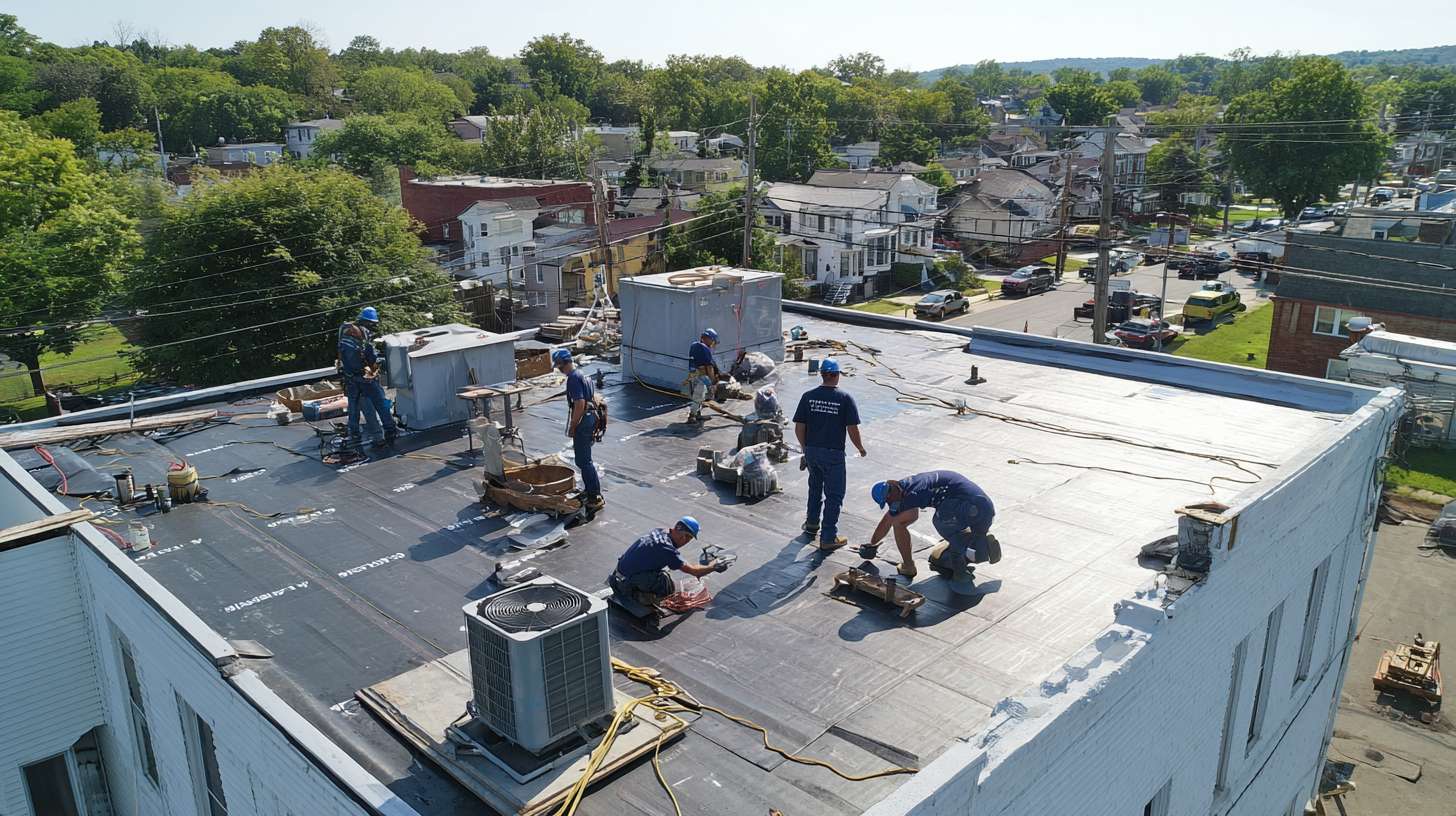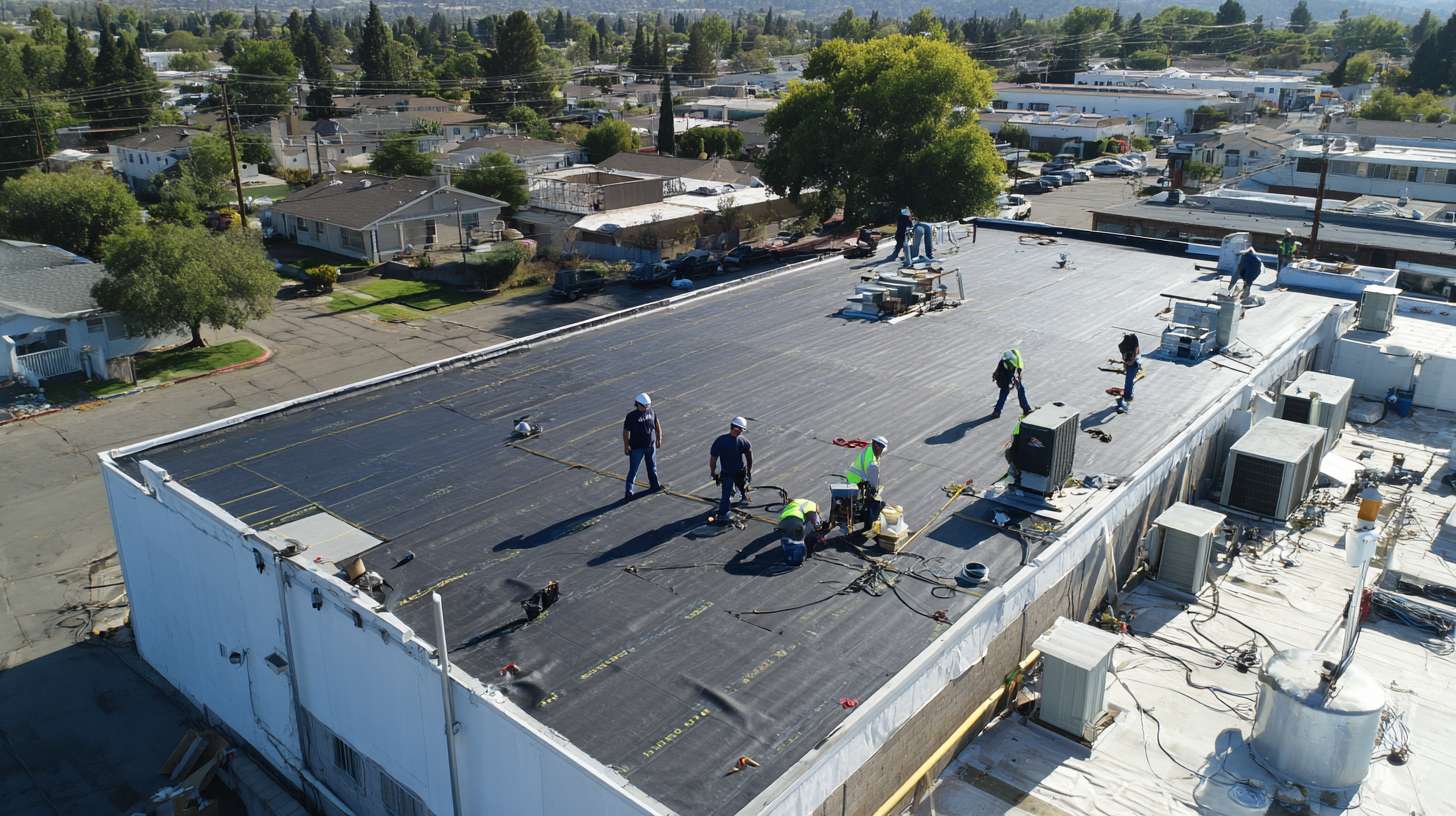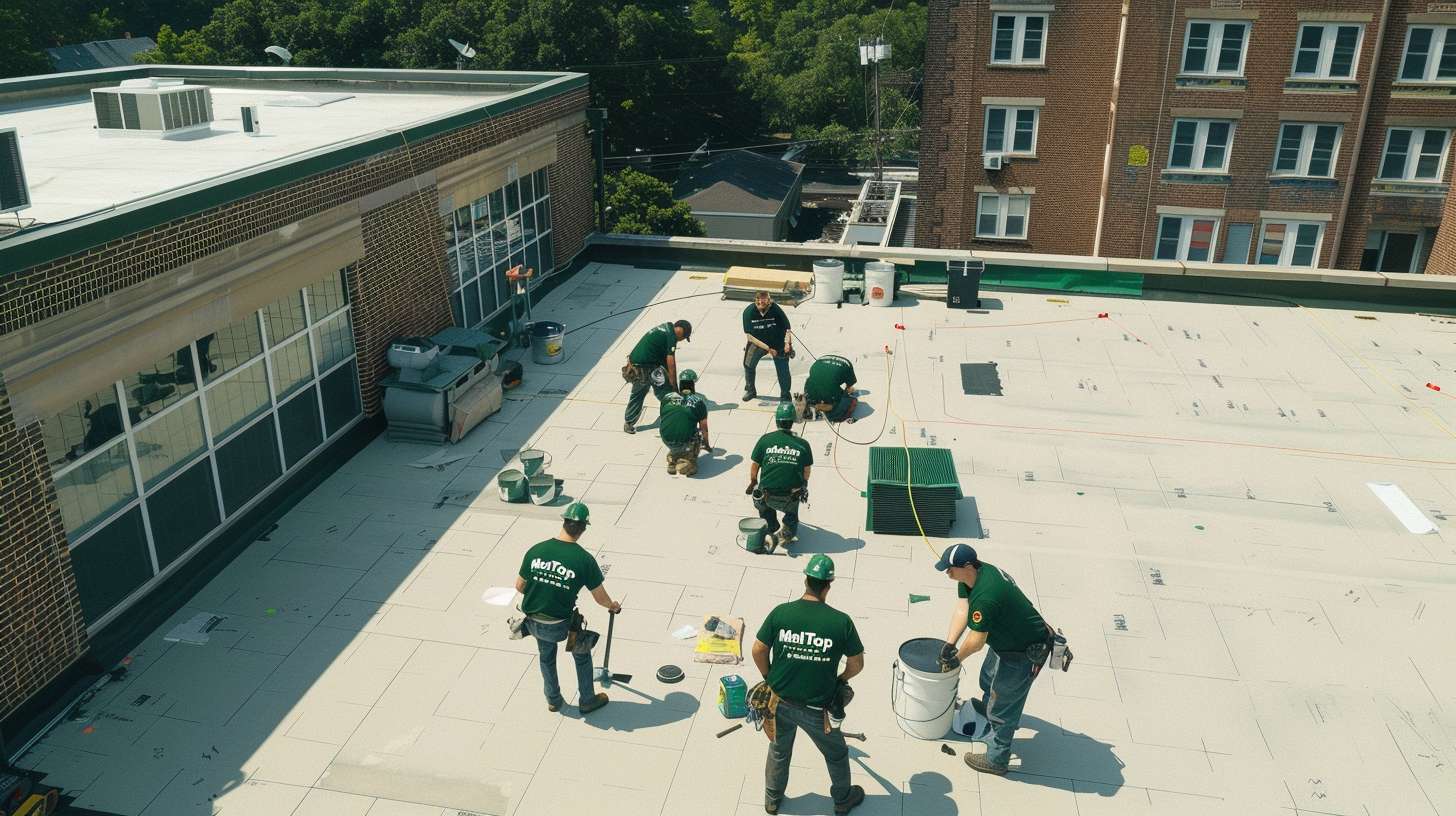
Expert Installing Shingles on Flat Roofs in Nassau County
Here’s what most Nassau County homeowners don’t know: standard asphalt shingles are not rated for truly flat roofs-manufacturers require a minimum 2:12 slope (2 inches of rise per 12 inches of horizontal run), and below that pitch, your warranty becomes void the moment water backs up under the shingle edge. I’ve torn off dozens of “shingled flat roofs” in Levittown and Garden City that leaked within two years because someone nailed three-tab shingles onto surfaces with 1:12 or even ½:12 slope, essentially creating a horizontal shingle field that trapped water instead of shedding it. The critical truth about how to install shingles on a flat roof is this: you cannot do it on a truly flat surface-you must first build enough slope to meet manufacturer specs (minimum 2:12, ideally 3:12 or 4:12), use low-slope underlayment methods, and accept that if you can’t achieve proper pitch, a membrane system is your only leak-free option.
In Nassau County, the confusion comes from terminology. When homeowners say “flat roof,” they usually mean low-slope-a porch roof, shed dormer, or garage extension with just a hint of pitch. Some of these surfaces can accept shingles if you prep them correctly; others cannot, no matter how carefully you install. Over 25 years working on both pitched shingle roofs and true flat membrane systems across Long Island, I’ve learned that the decision tree starts with one measurement: actual slope. Everything else-underlayment, starter course, shingle pattern, flashing-flows from whether you have enough pitch to keep water moving downhill faster than wind or capillary action can drive it backward under the shingles.
When Shingles Work on Low-Slope Roofs (and When They Don’t)
The first step in how to shingle a flat roof is confirming you’re not actually dealing with a flat roof. Pull out a 2-foot level and a tape measure. Set the level on the roof deck with one end touching the surface; lift the other end until the bubble centers. Measure the gap between the lifted end and the roof-if that gap is 4 inches or more over 24 inches of run, you have a 2:12 slope, the absolute minimum for standard asphalt shingles. Anything less-1:12, ½:12, or dead-flat-requires a membrane (EPDM, TPO, modified bitumen, or built-up) because shingles will leak, guaranteed.
On a low-slope porch addition in Lynbrook last spring, the original builder had created a ¾:12 slope-just enough to look like it drained, but far too shallow for shingles. The homeowner insisted on matching the main roof’s architectural shingles for curb appeal. I explained the options: either we built a cricket structure underneath to increase slope to 3:12 (adding $1,850 in framing and decking), or we installed a torch-down modified bitumen cap sheet in a gray granulated finish that mimicked shingle texture. He chose the membrane, and two hurricane seasons later, it’s still dry. That decision-making moment-measure slope, then pick the right material-saves more headaches than any installation technique.
Even when you do have 2:12 slope, you’re in a gray zone. Shingle manufacturers will honor warranties at 2:12 to 4:12 only if you follow low-slope installation procedures: double underlayment layers, sealed starter courses, and specific nailing patterns. Above 4:12, you’re in normal-slope territory and can use standard methods. Between 2:12 and 4:12, you’re laying shingles on a flat roof by the loosest definition, and every detail must account for slower water flow and higher risk of wind-driven rain working uphill under the shingle tabs.
Step One: Decking Inspection and Repair
Before you think about how to lay shingles on a flat roof, walk the entire deck. Low-slope roofs collect more standing water in any depression, so decking must be perfectly smooth, with no sags, waves, or soft spots. I use a straight 8-foot board dragged across the plywood; any gap bigger than ⅛ inch shows a dip that will pond water. Replace any sheets with even minor rot-on low-slope work, there’s no margin for “good enough.”
Check fastener pop-up, especially on older plywood decking. A single protruding nail head will telegraph through shingles and eventually puncture the underlayment as foot traffic compresses the layers. I scrape every nail flush or pull and replace it with a deck screw. Edges between plywood sheets should have H-clips or be supported by framing; unsupported edges will eventually sag and create a trough that holds water right where two sheets meet.
On commercial flat-to-low-slope tie-ins-connecting a shingled mansard face to a flat EPDM field, for example-I sister in tapered 2x framing to create drainage slope where none existed. A 12-foot run needs at least a 2-inch rise (2:12), so I’ll rip a 2×4 on a taper from zero at the high side to 2 inches at the low edge, screw it every 16 inches to the existing joists, then sheath over it with ½-inch plywood. This adds $38-$52 per linear foot of transition, but it’s the only way to make shingles work where they otherwise couldn’t.
Step Two: Low-Slope Underlayment System
Standard 15-pound felt won’t cut it on low-slope shingle installations. You need two layers of underlayment, and the first layer must be a self-adhering ice and water shield or equivalent sealed membrane. Start at the eaves and roll your ice barrier up the roof, covering the first 36 inches minimum (measured vertically up the slope). Overlap each course by 6 inches, peel-and-stick style, pressing out bubbles and wrinkles as you go. Nassau County sees nor’easters that drive rain horizontally; that first sealed layer stops water that works its way up under shingle edges during 50 mph gusts off the bay.
Over the ice barrier, install a second layer-either another full ice barrier run (expensive but bulletproof) or a high-quality synthetic underlayment rated for low-slope work. The key is overlap: 6 inches side-to-side, 6 inches end-to-end, and every seam should run parallel to water flow, never perpendicular. I’ve seen roofers lap underlayment like shingles, creating a dam at every seam; on a 3:12 slope, that’s asking for backup.
Cap all ridge lines and hips with a 36-inch-wide strip of ice barrier, centered so it drapes 18 inches down each side. This is especially critical where a low-slope section meets a wall or higher roof-that valley becomes a water superhighway, and a single pinhole in the underlayment will turn into an interior drip within one season.
| Roof Slope | Minimum Underlayment Requirement | Recommended for Nassau County | Shingle Warranty Valid? |
|---|---|---|---|
| Below 2:12 | Not applicable for shingles | Membrane system (EPDM, TPO, mod-bit) | No – manufacturer will void |
| 2:12 to 4:12 | Double layer: ice barrier + felt or synthetic | Full ice barrier base + synthetic cap, 6-inch overlaps | Yes, if low-slope install followed |
| 4:12 and above | Single layer felt or synthetic (per code) | Ice barrier at eaves/valleys, synthetic field | Yes, standard installation |
Step Three: Starter Course and Drip Edge
Drip edge goes on before underlayment at the eaves, but after underlayment at the rakes (gable ends)-this layering order ensures water flows over metal, not behind it. Use a continuous 10-foot drip edge piece whenever possible; every joint is a potential leak point. Fasten every 8 inches with roofing nails, driving through the underlayment into the decking, not just hanging on the fascia.
The starter course on low-slope work must be sealed. I use a full-width shingle strip with the tabs cut off, applied adhesive-side-down so the factory sealant strip bonds directly to the underlayment. Then I run a continuous bead of roofing cement along the bottom edge-about ¼ inch in from the drip edge-and press the starter into it. This belt-and-suspenders approach stops wind from ever lifting that first edge.
On a flat-looking porch roof in Massapequa, the existing starter had been face-nailed without sealant; every winter, wind came up through the soffit vents and popped tabs loose. We stripped it, re-laid with the sealed starter method, and added a second dab of cement under each tab joint. Three years later, zero lifts. That initial seal is everything on low-slope shingle work-once wind gets under one tab, it can unzip an entire course in a single storm.
How to Shingle a Flat Roof: Laying the Field Shingles
Start your first full course directly over the starter, with shingles positioned so the tabs cover the starter joint and the sealant strip sits about ½ inch above the starter’s top edge. On slopes between 2:12 and 4:12, reduce your exposure slightly-instead of the standard 5-inch exposure on architectural shingles, drop to 4½ inches. This increases overlap and gives wind-driven water less vertical distance to travel backward before it hits the next shingle layer.
Nailing pattern matters more on low slopes. Each shingle gets six nails minimum: one inch in from each end, then four more spaced evenly across, all driven just below the sealant strip so the next course covers the nail heads. Overdriven nails (where the hammer crushes the shingle surface) create puncture points; underdriven nails let shingles flex and eventually pull loose. I set my coil nailer to leave the nail head just flush with the shingle surface-no dimple, no proud head.
Stagger your courses using a 6-inch offset pattern. Start the second course with a full shingle, the third course with a shingle cut back 6 vertical inches from the top edge (this shifts the tab slots), then repeat the pattern. Never align tab slots vertically-these become channels that funnel water straight down to the underlayment. On low slopes, a single vertical channel can route enough water to overwhelm even a sealed underlayment seam.
Every third or fourth course, step back and sight down the roof. You’re looking for any waviness in the shingle lines or any place where exposure is drifting. On a low slope, inconsistent exposure shows as visible shadows because light rakes across the surface at a shallow angle. More important, it means water flow is uneven, and you’re creating accidental dams where exposure is too wide.
Valleys, Walls, and Transitions
If your low-slope shingle section ties into a valley (two roof planes meet in a depression), you have two options: open-cut valley with metal, or woven valley. For slopes under 4:12, I always use an open-cut metal valley-18-inch-wide aluminum or steel, pre-bent to match the valley angle, installed over a 36-inch-wide ice barrier base. The shingles stop 2 inches back from the valley centerline on each side, exposing a 4-inch metal trough. Woven valleys look cleaner, but they rely on perfect shingle overlap to keep water out; on a low slope, any imperfection becomes a leak path.
Where low-slope shingles meet a vertical wall (a dormer side, a chimney, a higher roof section), install step flashing as you lay each course. Each step flashing piece-typically 4 inches high by 4 inches wide, bent 90 degrees-slides up behind the wall siding and down over the shingle. Nail the flashing to the roof deck, not to the wall; walls move with temperature, and you don’t want that movement translated into a tear in your flashing. Run a bead of polyurethane caulk (not roofing cement, which stays tacky and collects dirt) along the top edge where flashing meets siding-just enough to seal, not so much that it prevents drainage.
On a particularly tricky tie-in in East Meadow-shingling a 3:12 porch roof that abutted a brick chimney on the low end-we used a two-part cricket (a mini peaked structure that diverts water around the chimney) built from 2×4 framing and plywood, then shingled over it to match the field. Without that cricket, every rainstorm would have pooled against the upslope side of the chimney and eventually found a way through the flashing. That detail added $340 to the job but saved the interior ceiling below.
Roof Penetrations and Edge Details
Vent pipes, skylights, and other penetrations need special care on low-slope shingle roofs. Standard pipe boots (the rubber gaskets that fit over vent stacks) are designed for 4:12 and steeper; on a 2:12 roof, they sit at an awkward angle and can allow water to backflow under the upslope edge. I use low-profile boots specifically rated for low slopes-they have a wider base flange that extends farther up the roof, and I embed the entire upslope edge in a thick bead of roofing cement before the next shingle course covers it.
For skylight curbs, build a cricket on the upslope side if the curb is wider than 24 inches. Water hitting the back of a wide curb will split and run along both sides, but a portion will pool; the cricket diverts it before pooling starts. Flash the skylight with a continuous metal pan that wraps all four sides, lapping over the shingles on the downslope edge and tucking under them on the upslope and side edges. Every joint gets sealed with polyurethane, and every nail gets a dab of cement over the head.
Ridge caps on low-slope roofs should be sealed, not just nailed. Cut standard shingles into 12-inch sections, fold them over the ridge, and nail on both sides-but before you nail, run a bead of cement under each cap where it contacts the ridge shingles. This stops wind from working under the cap edge during storms, and it prevents the capillary action that can wick water uphill along the ridge joint.
When to Stop and Use a Membrane Instead
I walk away from shingle-on-flat requests when three conditions show up: true flat or near-flat slope (under 2:12), budget too tight to build proper tapered framing, and expectation of a 20-year lifespan. A low-slope shingle roof done correctly over built-up tapered framing will last 15-18 years in Nassau County, assuming the slope stays true and the underlayment holds. A membrane system on the same roof will last 20-25 years with less maintenance, no lifted tabs, and no exposure to wind damage.
Modified bitumen with a granulated cap sheet looks surprisingly close to shingles from the ground-gray or brown granules cover the surface, and the roll pattern doesn’t show unless you’re standing on the roof. It costs $825-$1,150 per square installed (versus $485-$675 per square for low-slope shingle work including extra underlayment and labor), but it’s the right material for anything under 2:12 and often the smarter choice between 2:12 and 3:12.
The other time to use membrane: ponding. If you see standing water on the existing roof 48 hours after rain stops, the slope is inadequate no matter what the pitch gauge says. Shingles on ponding areas fail within 24-36 months, every time. No amount of sealant or extra underlayment compensates for water that sits still on the surface long enough to work through the shingle mat.
Maintenance and Realistic Expectations
Once you’ve figured out how to put shingles on a flat roof and completed the installation, understand that this roof needs more attention than a steep-slope system. Inspect twice a year-spring and fall-for lifted tabs, damaged sealant, and any debris (leaves, pine needles, shingle granules) that collects in the shallow valleys. Debris creates dams, dams create puddles, and puddles find leaks.
Clean your gutters obsessively. A clogged gutter on a 6:12 roof causes minor backup; on a 3:12 shingle roof, it forces water to sit against the bottom shingle edge until it migrates backward under the tabs. I’ve seen perfectly installed low-slope roofs leak simply because gutter maintenance was deferred for two seasons, and the resulting ice dams lifted the entire first three courses away from the sealant.
After major wind events (sustained over 40 mph), walk the roof or use binoculars from the ground to check for lifted corners or displaced ridge caps. Fix them within a week-once one tab lifts, wind gets leverage on the next tab upslope, and the damage cascades. A $45 tube of roofing cement and twenty minutes re-sealing six tabs is vastly cheaper than a $1,800 tear-off-and-replace caused by letting the lift propagate.
Expect to re-seal penetration flashings every 7-9 years. The polyurethane caulk I specify lasts longer than roofing cement, but UV and temperature cycling still break it down. This is a half-day job for a two-person crew and costs $320-$475 depending on how many pipes and curbs you have. Skip it, and your first leak will be at a vent pipe, not in the field shingles.
Why Platinum Flat Roofing Handles Low-Slope Shingle and Membrane Work
Over two and a half decades, we’ve shingled low-slope porches, garage dormers, and shed additions all over Nassau County-but we’ve also told dozens of homeowners “your slope is too shallow, and here’s the membrane option that will actually work.” That combination of shingle expertise and flat-roof knowledge is rare; most shingle crews won’t touch anything under 4:12, and most flat roofers won’t shingle at all. We design every low-slope transition around water flow first: if shingles can work with proper prep, we’ll detail a system that meets manufacturer specs and passes code. If they can’t, we’ll show you a membrane that looks good, lasts longer, and costs less in the long run than re-roofing a failed shingle job in five years.
The reality of how to shingle flat roof surfaces is that it’s more about recognizing limits than mastering technique. The installation steps-double underlayment, sealed starter, reduced exposure, careful flashing-are straightforward once you accept that the rules are non-negotiable. Cut corners on a low-slope shingle roof, and you won’t wait long for the leak. Follow the process exactly, and you’ll get a decade-plus of dry ceilings and curb appeal that matches your main roof. Just measure that slope first.