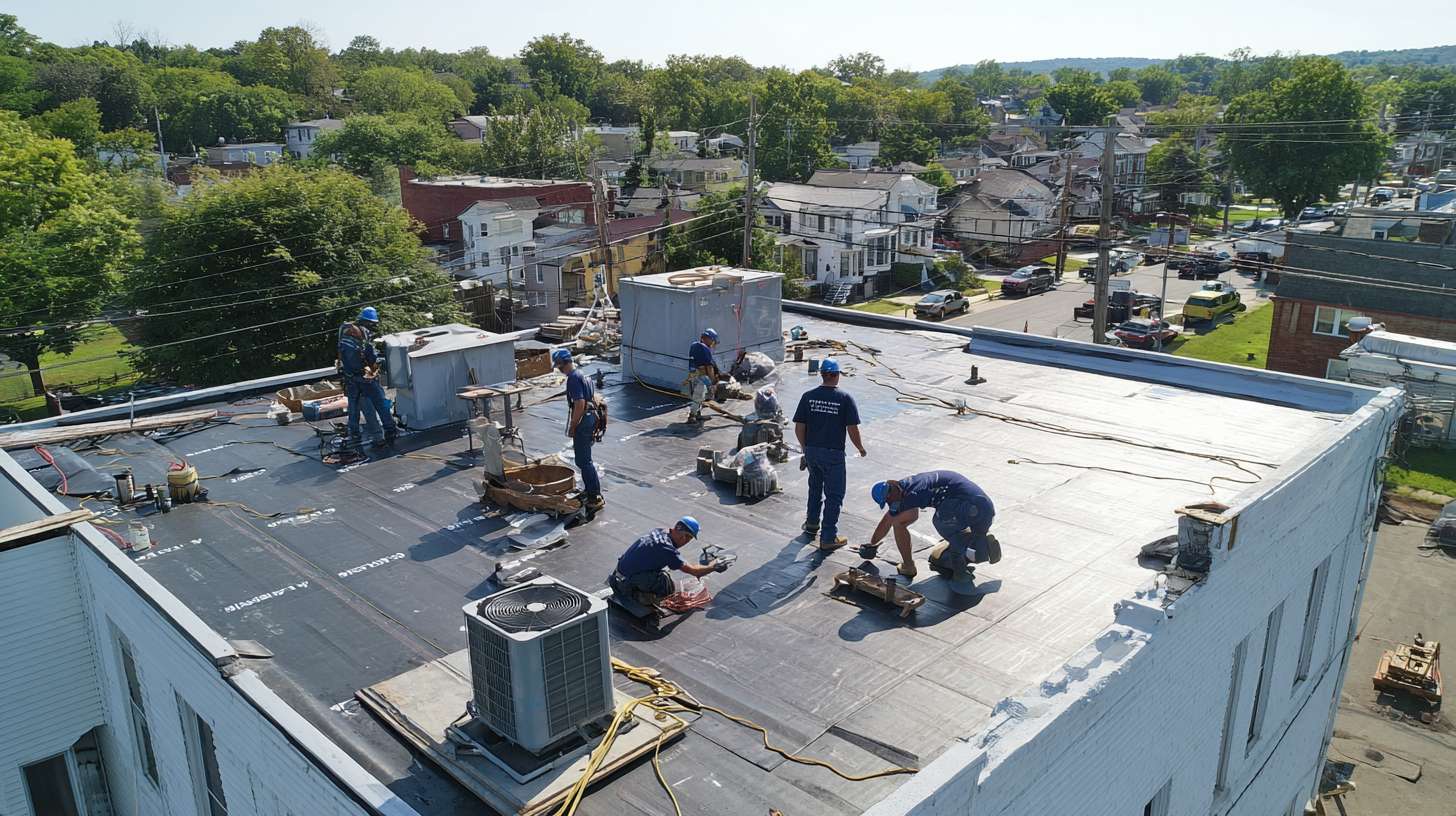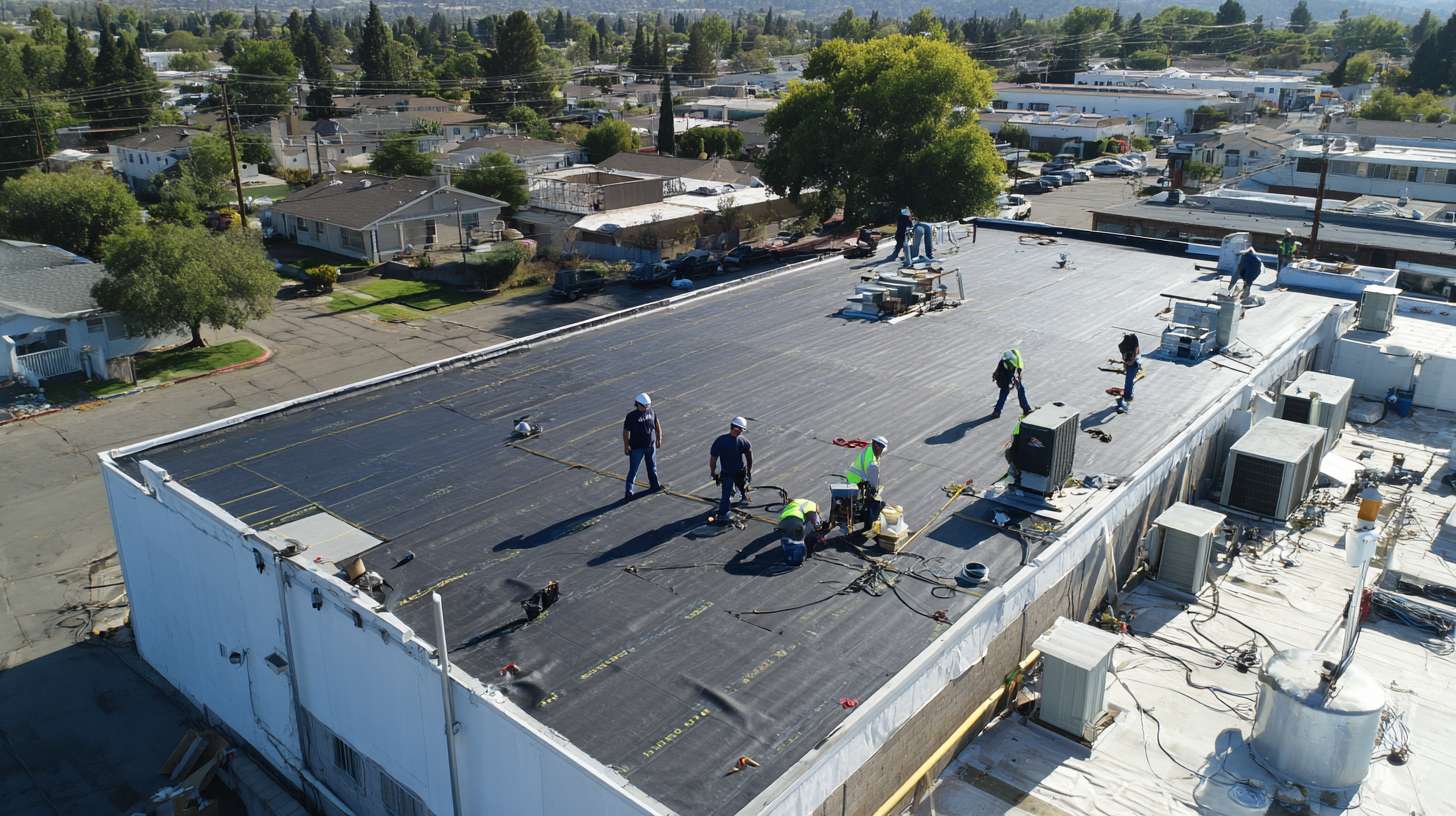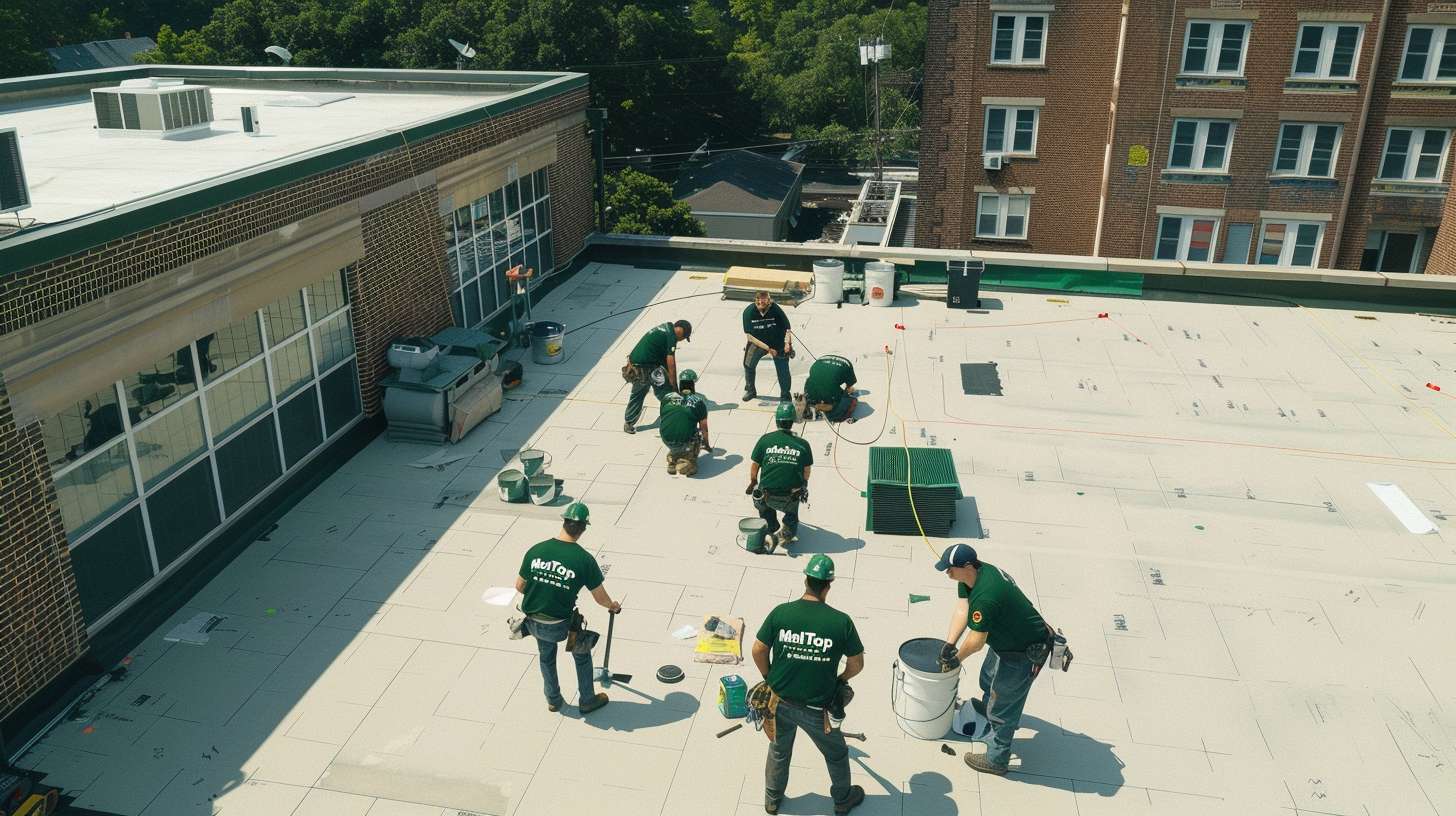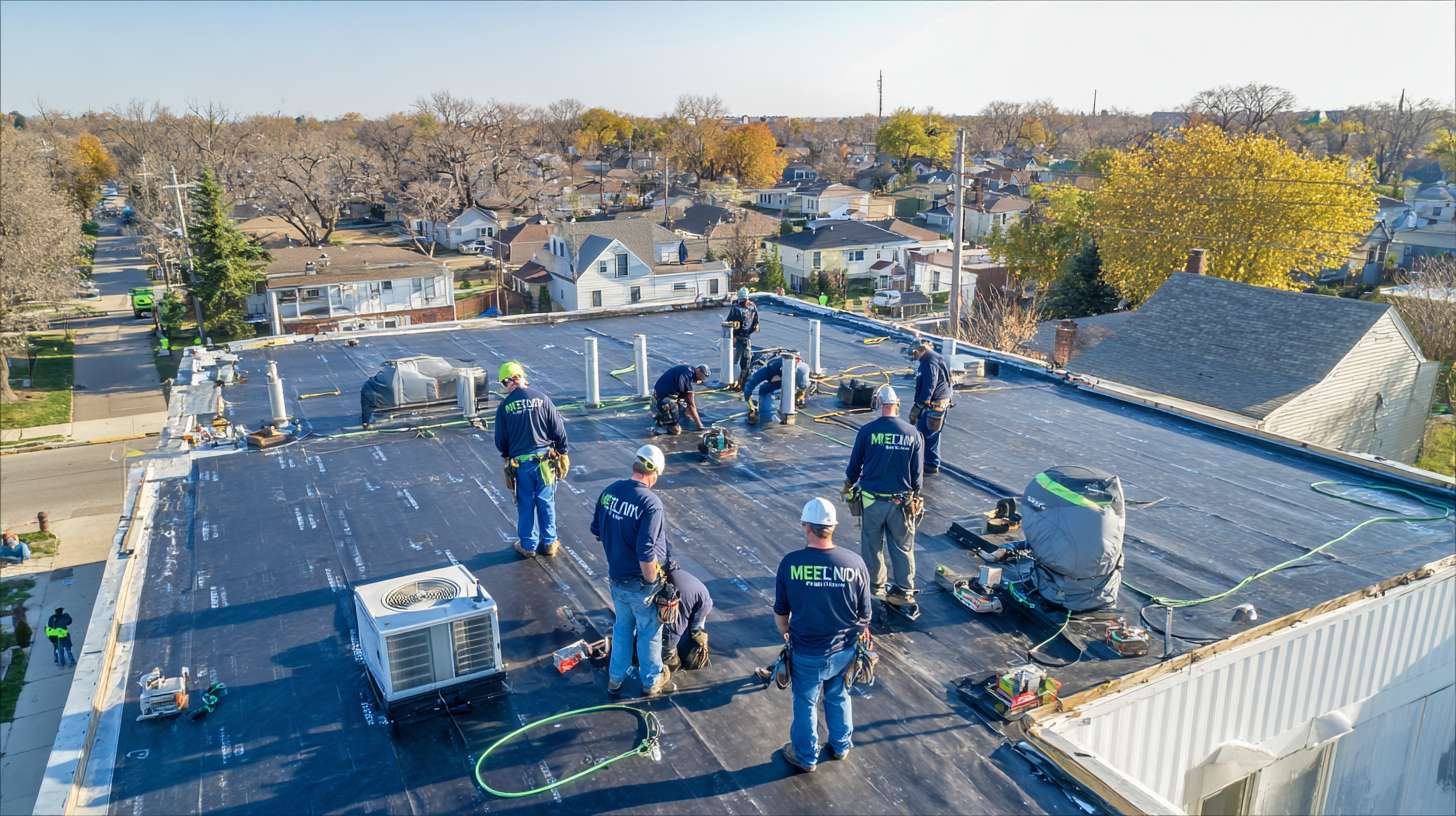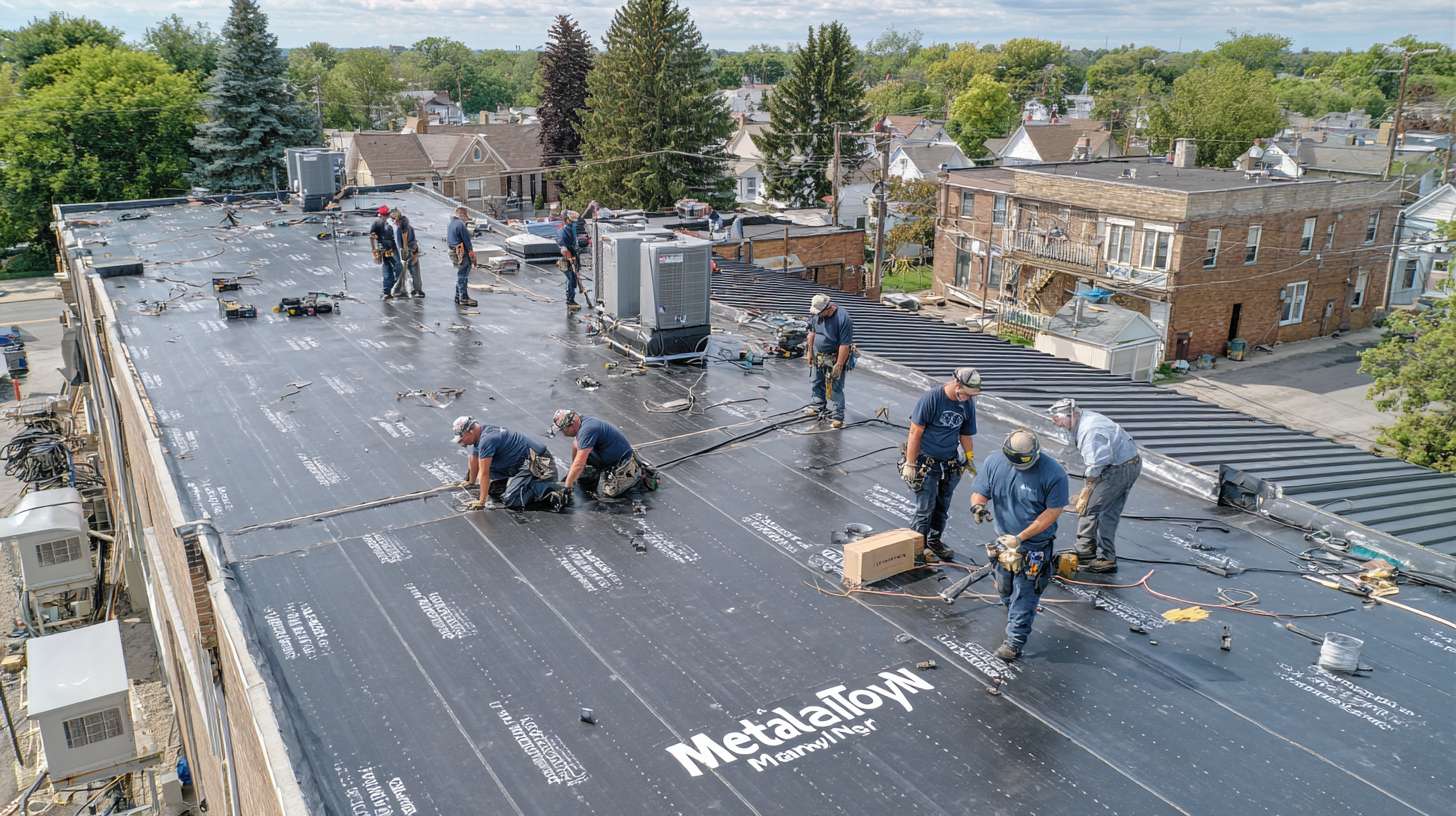
Professional Flat Roof Installers Serving Nassau County Homes
If you’re putting a new flat roof on your Nassau County home, how do you know you’re hiring actual flat roof installation experts-and not a shingle crew learning on your house? The difference matters more than most homeowners realize. A new flat or low-slope roof system on a Nassau County home runs $8,200-$18,500 for a typical 800-1,200 square‑foot surface, depending on membrane choice, insulation upgrades, and the complexity of drainage and flashing details. But price alone won’t tell you whether the crew understands tapered insulation design, how to flash a parapet correctly in coastal wind, or how to spec a system that handles freeze-thaw cycles without constant call‑backs. This guide gives you the checklist-the skills, details, and proof points any true professional flat roof installer should show you before you sign a contract.
Why Flat Roofs Demand More Than “We Also Do Flats”
A shingle roof sheds water by gravity, and the pitch does most of the work. A flat or low‑slope roof-anything under 3:12-asks the membrane, the slope design, and the drainage details to work as a system. If any piece is weak, water sits. And sitting water on a Nassau County roof means leaks, ice dams in winter, and membrane degradation from UV and temperature swings. I’ve seen well‑meaning crews treat a flat roof like a horizontal shingle job: roll out some modified bitumen, torch it down, seal the edges, and move on. Two winters later, the homeowner calls because water pools near the scupper, the seams are lifting, and ice is prying apart the flashing.
True flat roof installation experts start with questions most generalists never ask:
- What’s the existing slope? Even “flat” roofs need 1/4‑inch per foot minimum toward drains or scuppers; many older Nassau homes have zero slope or back‑slope from settling.
- Is this a warm roof or cold roof? If you’re building over conditioned space-a heated garage, a third‑floor addition, a home office-insulation goes above the deck to keep condensation outside the structure.
- How will drainage work in a three‑inch rain event? Nassau County sees heavy summer storms; your roof needs scuppers, overflow drains, or internal drains sized and positioned for real‑world flow, not guesswork.
- What wind uplift rating does the system need? Coastal Nassau properties a mile from the shore require higher fastener density and edge‑attachment details than inland jobs.
If a contractor doesn’t walk your roof with a level, doesn’t talk about R‑value or vapor barriers, and doesn’t sketch a drainage plan, they’re not flat roof installation experts-they’re roofers who happen to carry roll goods.
How Real Experts Evaluate Your Existing Roof
The first sign you’re working with professionals is the depth of their inspection. On a warm‑roof TPO job in Merrick last spring, the homeowner had three quotes. Two contractors spent fifteen minutes on the roof, measured square footage, and left. I spent forty‑five minutes because the existing EPDM was twenty‑two years old and the deck showed soft spots near the rear gutter. I pulled back a corner of membrane, found wet OSB, and traced the problem to a parapet flashing detail that had been leaking for years-hidden damage the other two quotes never mentioned.
A thorough flat roof evaluation in Nassau County covers:
- Deck condition: plywood or OSB deflection, rot, fastener pop‑up from expansion cycles
- Existing slope and ponding zones: measured with a level or laser to identify where water sits longer than 48 hours after rain
- Insulation condition and R‑value: especially critical if your town is enforcing updated energy codes on re‑roofs
- Flashing condition: parapets, skylights, HVAC curbs, and penetrations-most flat‑roof leaks start at flashings, not membrane
- Drainage capacity: scupper size, gutter flow, downspout routing, and whether overflow provisions exist
The expert writes findings into the estimate and explains which issues must be fixed now versus which can wait. A crew that skips the inspection is guessing at what your roof needs-and you’ll pay for that guesswork in callbacks.
Choosing the Right Membrane System for Nassau County Conditions
Flat roof installation experts don’t default to one membrane for every job. Each material-TPO, EPDM, modified bitumen, PVC-performs differently under Nassau’s weather: freeze-thaw cycles, summer heat that pushes surface temps past 160°F, coastal salt air, and wind‑driven rain. Here’s how the main systems stack up for residential work:
| Membrane Type | Best Use Case in Nassau County | Typical Cost per Sq Ft (Installed) | Life Expectancy |
|---|---|---|---|
| TPO (white, heat‑welded) | Occupied spaces needing high reflectivity; excellent for warm roofs over garages and additions | $7.50-$10.20 | 20-25 years |
| EPDM (rubber, seamed) | Budget‑conscious jobs over unheated spaces; very flexible in freeze-thaw | $6.00-$8.50 | 18-22 years |
| Modified Bitumen (torch or cold‑applied) | High‑traffic flat roofs (roof decks, mechanicals); very puncture resistant | $6.80-$9.00 | 15-20 years |
| PVC (heat‑welded) | Chemical resistance near shore (salt air); premium durability and warranties | $9.00-$12.50 | 25-30 years |
When a contractor says “we always use [X]” without asking about your roof’s use, exposure, or budget, walk away. On a three‑season porch conversion in Rockville Centre, the homeowner wanted EPDM to save money. I explained that because the space was now heated year‑round, a white TPO membrane over polyiso insulation would cut summer cooling costs and meet code R‑value with a thinner assembly-saving six inches of build‑up height at the door threshold. That kind of trade‑off discussion is what separates flat roof installation experts from order‑takers.
The Installation Process That Separates Pros from Pretenders
Professional flat roof installers follow a sequence designed to prevent the most common failure modes: water intrusion at seams, fastener pull‑out in wind events, and thermal bridging that causes condensation inside the assembly. Here’s what that process looks like on a Nassau County job:
1. Deck Repair and Prep. Any soft or damaged sheathing gets cut out and replaced with new plywood or OSB, fastened every six inches at edges and twelve inches in the field. If the existing deck has no slope, we install tapered polyiso insulation to create 1/4‑inch‑per‑foot drainage toward the designed low point-scupper, edge, or internal drain.
2. Air and Vapor Barrier Installation. For warm roofs (insulation above the deck), a peel‑and‑stick air barrier or mechanically fastened vapor retarder goes down first. This is non‑negotiable in Nassau County; without it, warm interior air migrates up through the deck, hits the cold membrane in winter, and condenses-rotting the deck from above.
3. Insulation and Cover Board. Rigid foam insulation-polyiso is most common for its R‑value per inch-goes down in staggered layers to eliminate thermal bridging. A thin cover board (1/4‑inch DensDeck or similar) protects the foam from foot traffic and gives the membrane a smooth, stable substrate. Some crews skip the cover board to save $1.20 per square foot; those roofs show punctures and membrane wrinkles within three years.
4. Membrane Installation. TPO and PVC membranes are mechanically fastened or fully adhered, then heat‑welded at every seam-no tape, no caulk. EPDM is fully adhered or mechanically fastened with seams sealed using manufacturer‑approved tape and primer. Modified bitumen is torched or cold‑applied in overlapping layers. All membranes extend up parapets, curbs, and walls at least eight inches, with metal counter‑flashing protecting the top edge.
5. Flashing and Penetration Details. This is where most leaks start, and where true flat roof installation experts earn their keep. Every pipe, vent, skylight, HVAC curb, and wall intersection gets custom flashing-either site‑fabricated metal or prefab boots and curbs-sealed and mechanically fastened independent of the membrane. On a garage roof in Garden City, the HVAC installer had set a condenser on a wood frame sitting directly on the membrane. I rebuilt the curb, flashed it properly, and added a walkway pad so future service techs wouldn’t puncture the TPO. That level of foresight doesn’t appear in a low bid.
6. Drainage and Edge Details. Scuppers are sized for the roof area (one square inch of opening per 150 square feet of roof is a good rule), positioned at true low points, and extended through the parapet with conductor heads or downspout connections that can’t back up. Metal edge flashing (drip edge or gravel stop) is continuous, sealed, and fastened every eight inches to resist wind uplift-critical within a mile of the Long Island coast.
7. Final Inspection and Testing. Before we leave, we flood‑test problem areas-pour water near seams, flashing, and drains, then watch for proper flow and check interior ceilings for moisture. Any membrane weld can be probe‑tested; any fastener pattern can be pull‑tested. Professionals welcome third‑party inspections; hacks avoid them.
Red Flags That Scream “Not an Expert”
Over two decades installing flat roofs in Nassau County, I’ve heard every shortcut justified as “good enough” or “how we’ve always done it.” Here are the phrases that should end the conversation:
- “We’ll just make it flat and let the water find its way.” Water doesn’t “find its way”-it sits, penetrates seams, and freezes. Slope must be designed, not hoped for.
- “No need to talk about insulation or R‑value-that’s inside stuff.” Insulation placement determines whether your roof assembly will last or rot from condensation.
- “We use the same membrane on every flat roof.” One‑size‑fits‑all thinking ignores occupancy, exposure, and performance trade‑offs.
- “Flashing? We just run the membrane up the wall and caulk it.” Caulk is not flashing. Caulk fails in two to five years; proper metal counter‑flashing lasts as long as the roof.
- “We’ll give you a warranty, but you have to use our maintenance plan.” Legitimate manufacturer warranties (10-30 years) are transferable and don’t require paid maintenance contracts-though regular inspections are smart.
If the contractor can’t sketch a drainage plan, explain the difference between mechanically attached and fully adhered systems, or tell you the required R‑value under current Nassau County code, keep looking.
What to Expect in a Written Proposal from True Professionals
A detailed, written estimate is the clearest proof you’re dealing with flat roof installation experts. It should break out every layer of the assembly, list materials by brand and specification, and describe the scope at each roof feature. On a recent job in Massapequa, my twelve‑page proposal included:
- Existing condition findings (deck deflection, insulation R‑value, flashing failures)
- Recommended membrane system with manufacturer spec sheet attached
- Insulation type, thickness, and fastening method
- Flashing details at parapets, skylights, and two HVAC curbs
- Scupper sizing and placement drawings
- Manufacturer warranty registration (20‑year NDL on the TPO)
- Permit and inspection schedule
- Payment schedule tied to milestones, not upfront lump sums
The homeowner told me two other quotes were one‑page PDFs with a total price and “install new flat roof” as the description. Those aren’t estimates-they’re guesses that leave you with no recourse when the scope changes or problems arise.
Warranties, Inspections, and Long‑Term Performance
Manufacturer warranties on TPO, PVC, and EPDM systems range from 10 to 30 years and cover membrane defects-splits, shrinkage, and seam failures-but not installation errors. That’s why workmanship warranties from the installer matter just as much. At Platinum Flat Roofing, we provide a ten‑year labor warranty covering flashing leaks, fastener problems, and seam failures caused by installation issues. If a weld fails in year three, we fix it at no charge-parts and labor.
Annual or biannual inspections extend roof life and catch small issues before they become emergency re‑roofs. On flat roofs in Nassau County, I recommend inspections every fall (clear drains and check flashing before winter) and every spring (assess winter damage, reseal any lifted seams). A professional inspection costs $250-$400 and includes:
- Membrane condition check (punctures, blisters, UV degradation)
- Seam integrity testing
- Flashing and counter‑flashing condition
- Drain and scupper flow testing
- Fastener and edge‑metal inspection
- Photographic documentation and written report
Inspections aren’t required to keep your warranty active, but they’re cheap insurance-and they’re proof, in writing, that your roof is being maintained if you ever need to file a claim or sell the house.
Why Nassau County Flat Roofs Need Local Expertise
Nassau County isn’t Kansas. We’re coastal, which means salt air accelerates metal corrosion and UV exposure is higher. We see nor’easters that dump three inches of rain in two hours, testing drainage design under real load. We swing from 95°F summer days to 10°F winter nights, cycling membranes through expansion and contraction that fatigues seams and fasteners. And our building departments-Hempstead, Oyster Bay, North Hempstead, Long Beach, Glen Cove-enforce energy codes (often R‑30 or better for roof assemblies) and require permits and inspections for re‑roofs over occupied spaces.
Flat roof installation experts who work regularly in Nassau County know these details by reflex. We know which towns require engineered drainage calcs for roofs over 1,000 square feet. We know that properties within a half‑mile of the shore need wind‑uplift ratings of 90 pounds per square foot or higher. We know that a white TPO roof will cut your summer cooling bill by 15-20% compared to black EPDM, and that polyiso insulation loses R‑value below 20°F unless you sandwich it with a layer of XPS on top. None of that knowledge comes from a weekend training class-it comes from doing the work, fixing the mistakes, and learning what holds up and what doesn’t.
What Platinum Flat Roofing Brings to Your Nassau County Project
We’ve installed flat and low‑slope roofing systems on Nassau County homes, garages, additions, and small commercial buildings for more than two decades. Our process starts with a detailed site evaluation-deck condition, slope measurement, drainage analysis, and code review-and moves into a collaborative design conversation. We walk you through membrane options, insulation trade‑offs, and long‑term cost‑of‑ownership so you can make an informed choice, not a pressured one.
Every installation is performed by our own crew-no subcontractors learning on your roof-and every project is permitted, inspected, and documented with photos and material certifications. We register manufacturer warranties on your behalf, provide a ten‑year workmanship warranty in writing, and offer annual inspection and maintenance services to keep your investment performing.
If you’re considering a new flat roof, an addition, or a garage conversion, contact Platinum Flat Roofing for a comprehensive evaluation and written proposal. We’ll show you exactly what separates true flat roof installation experts from everyone else-and we’ll give you the questions to ask if you’re interviewing other contractors. Your roof is too important to trust to a crew that “also does flats.” Work with professionals who do nothing else.