Expert Removing Old Flat Roofing Services in Nassau County
Here’s what most Nassau County homeowners don’t know: at least 40% of the flat roofs I tear off have two or three layers of old roofing already stacked on them, even though building code and every manufacturer spec allows only one recover at most. When you remove an old flat roof correctly, you’re not just peeling off worn-out materials-you’re uncovering decades of trapped moisture, hidden structural damage, and shortcuts that have been quietly compromising your home. After 21 years of flat roof removal in Nassau County, I’ve learned that the tear-off process is the most underrated phase of a new flat roof installation, because it’s when you discover what’s really going on with your structure and set the foundation for the next 20 or 30 years of weather protection.
How to remove an old flat roof comes down to five critical phases: 1) pre-removal inspection to determine layers, materials, and structural access, 2) setting up protection and containment around your property and neighbors, 3) systematically cutting and peeling off each layer down to the deck, 4) inspecting the exposed substrate for rot, sag, and code compliance, and 5) making structural repairs so the new roof system bonds to sound, dry, stable material. Skip any of those phases and you either end up with a new roof installed over hidden problems, or a messy job that damages your home, annoys neighbors, and leaves you with surprise costs halfway through.
Why Flat Roof Removal Is More Complex Than Homeowners Expect
The biggest problem we see: homeowners are told their flat roof is “too far gone” and needs full tear-off, but they receive zero information about what that actually entails-how much noise and debris, what risks exist, what structural surprises might appear, and how decisions made during removal determine whether the new roof lasts 15 years or 30.
On a 1960s Baldwin garage last spring, the homeowner thought he had “one layer of rubber and maybe some tar paper.” When we started cutting, we found three distinct systems: the original hot-mopped built-up roof from the ’60s, a torch-down modified bitumen layer added in the ’80s, and a mechanically fastened EPDM rubber roof from the early 2000s. Under all that, the plywood deck had trapped moisture between the layers, soft spots along the perimeter, and fasteners that had worked loose over decades of expansion and contraction. The actual removal took two full days instead of the four hours the homeowner expected, and the deck repairs added $1,840 to a project he thought was straightforward.
That’s the reality of flat roof removal in Nassau County: most structures built before 1985 have surprise layers, unknown fastening methods, and concealed damage that only becomes visible when you systematically strip down to bare wood or concrete. How you remove each layer-cutting depth, pry-bar technique, debris containment-determines whether you damage the good deck underneath and whether you discover structural problems while there’s still time to fix them properly.
Pre-Removal Assessment: What We’re Looking for Before the First Cut
A proper old flat roof removal starts with a detailed inspection before anyone brings a shovel onto your roof. I walk the entire surface with the homeowner, looking for four things: layer count and types, fastening methods, deck substrate condition, and access/protection requirements.
Layer count and identification: We cut small test squares in corners or along edges to see what’s underneath. If you’ve got EPDM rubber over a granulated cap sheet over built-up tar, that tells me the removal sequence, tool selection, and disposal strategy. Each layer type has different weight, adhesion strength, and hazards. Built-up roofs with coal tar pitch (common on pre-1970 Nassau County commercial buildings) require different handling and disposal than asphalt-based systems.
Fastening methods matter more than most contractors acknowledge. Mechanically fastened systems-screws and plates every 12 to 16 inches-mean we’re pulling hundreds of fasteners and checking every penetration for deck damage. Fully adhered torch-down or cold-applied systems mean we’re cutting and peeling against aggressive adhesives, which risks tearing or gouging the deck if you rush. And ballasted systems (stone or pavers holding down loose-laid membrane) mean we’re moving thousands of pounds of ballast before we even touch the roofing itself.
Substrate condition tells us how carefully we need to work. If I can feel soft spots, see sagging between joists, or hear deck movement when I walk, I know we’re likely finding rot and will need structural repairs. On a Levittown ranch with a low-slope section over the family room, the entire 14-by-20-foot deck was spongy, and when we removed the two layers of roofing, we found that 60% of the half-inch plywood had delaminated from decades of condensation. That became a full deck replacement before we could even start the new roof system.
Setting Up Protection, Access, and Debris Management
Before the first layer comes off, we’re setting up ground protection, dumpster placement, and equipment access that keeps your property-and your neighbors’ property-clean and safe. This is where a lot of fly-by-night contractors cut corners, and it’s where homeowners end up with damaged landscaping, upset neighbors, and tarps that blow away in the middle of the job.
Ground tarps and plywood walkways protect plantings, pavers, and AC condenser units around the perimeter. Flat roof debris-especially old tar and granulated cap sheets-sticks to everything, stains driveways, and clogs gutters if it falls uncontrolled. We lay heavy canvas tarps overlapped and weighted at edges, creating a catch zone around the entire roof perimeter.
Dumpster placement is a negotiation in Nassau County’s tight lot lines. On a Westbury two-car garage, the dumpster had to go in the front driveway because the side yard was only seven feet wide and the neighbor’s fence was right on the property line. We used a smaller 15-yard dumpster and made two hauls instead of one 30-yard drop, which cost an extra $340 but prevented a Code Enforcement issue with blocking the sidewalk.
Equipment access depends on roof height and pitch. Most flat roofs in Nassau County are either garage or porch roofs under 12 feet high (ladder access is fine) or single-story home sections with slopes under 2:12 that are walkable with proper footwear. Occasionally we’re working on a two-story flat roof or a commercial building where we need scaffolding or roof jacks for safety and material handling. That’s determined in the pre-job assessment and priced into the contract-there should never be a surprise “we need scaffolding” charge on day two of tear-off.
The Flat Roof Removal Process: Layer by Layer, Down to Sound Deck
This is the phase homeowners underestimate. Removing an old flat roof isn’t just “rip it off”-it’s a systematic process of cutting, peeling, inspecting, and controlling debris while preserving the structural deck underneath.
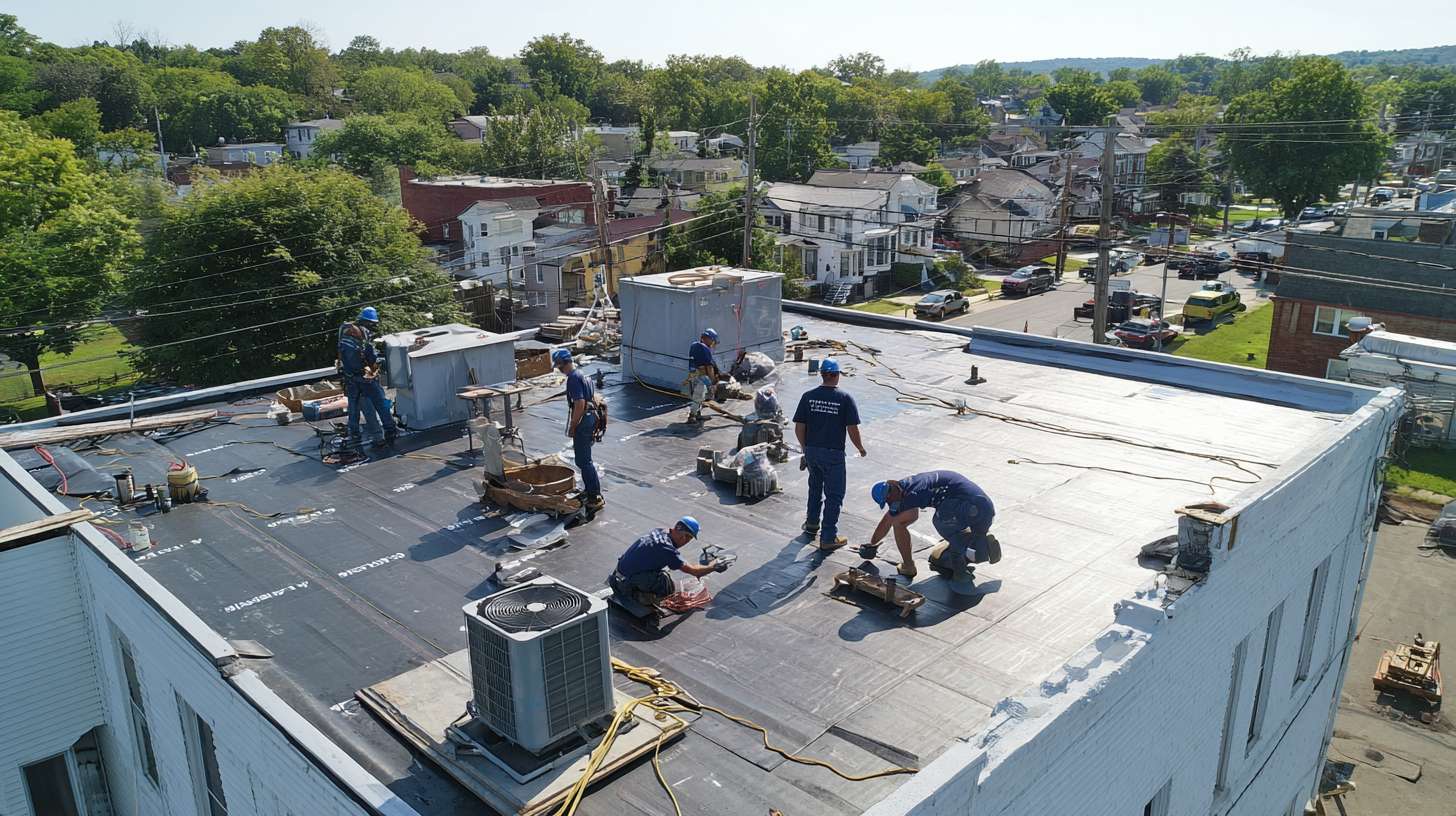
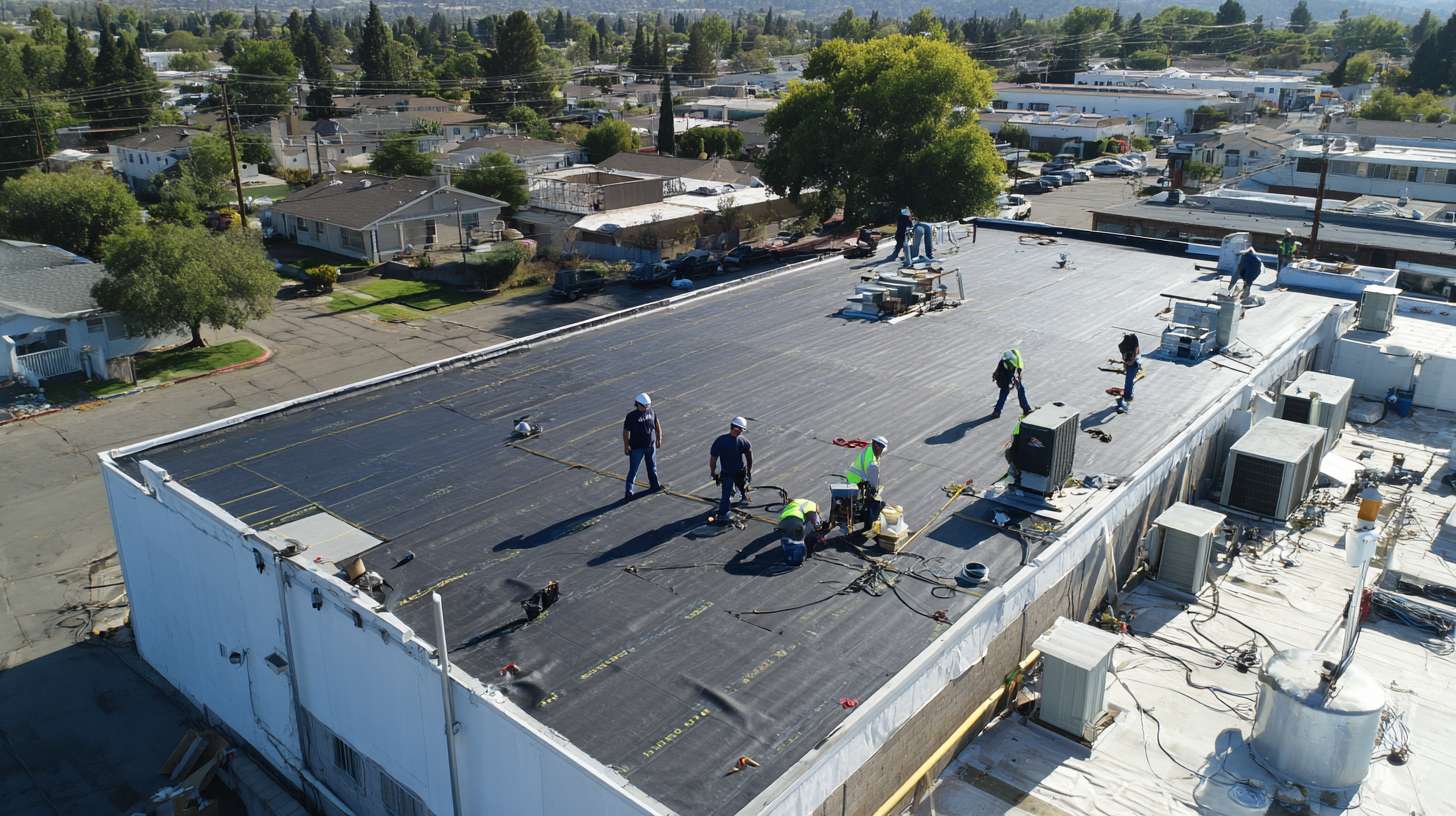
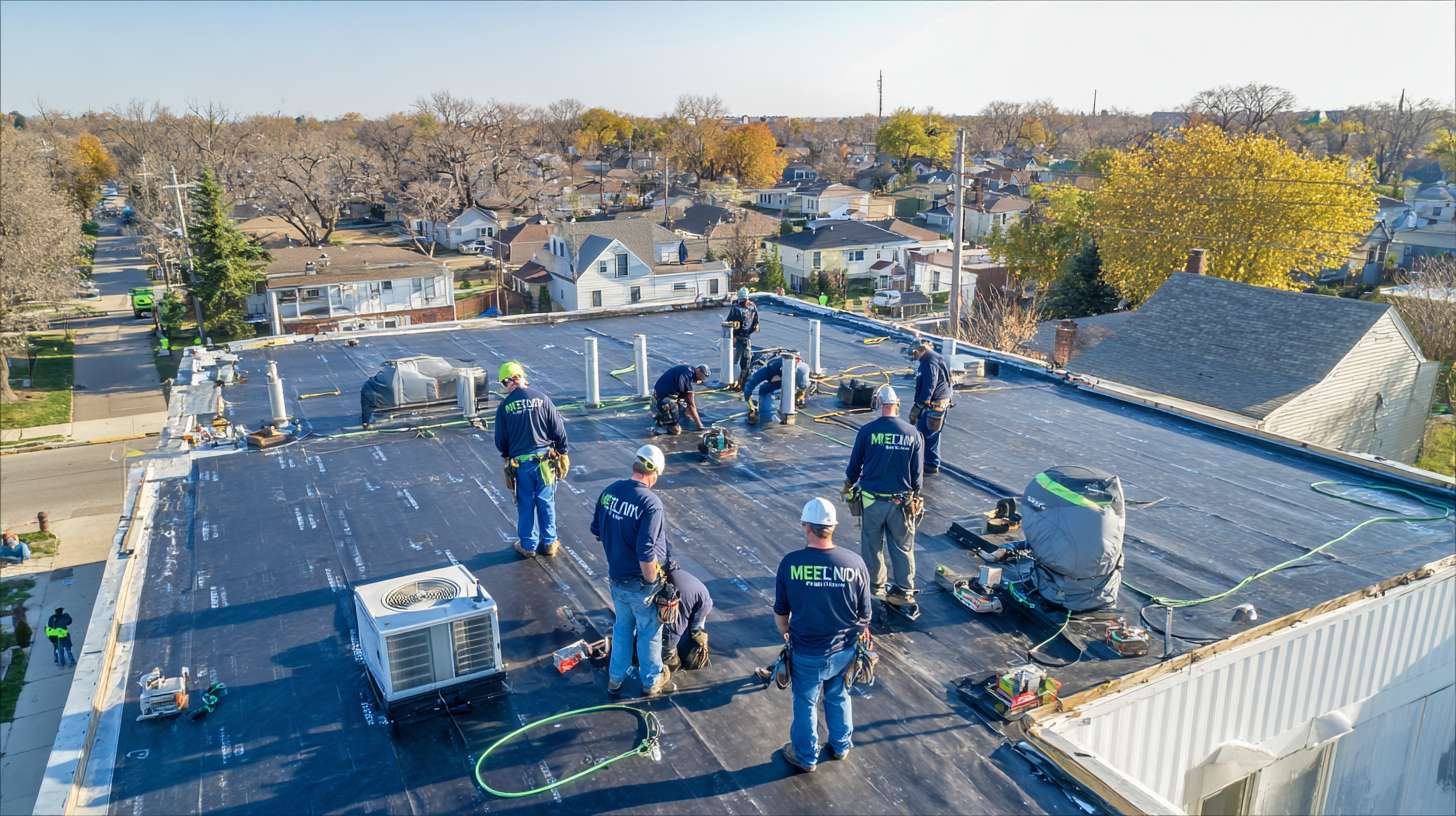
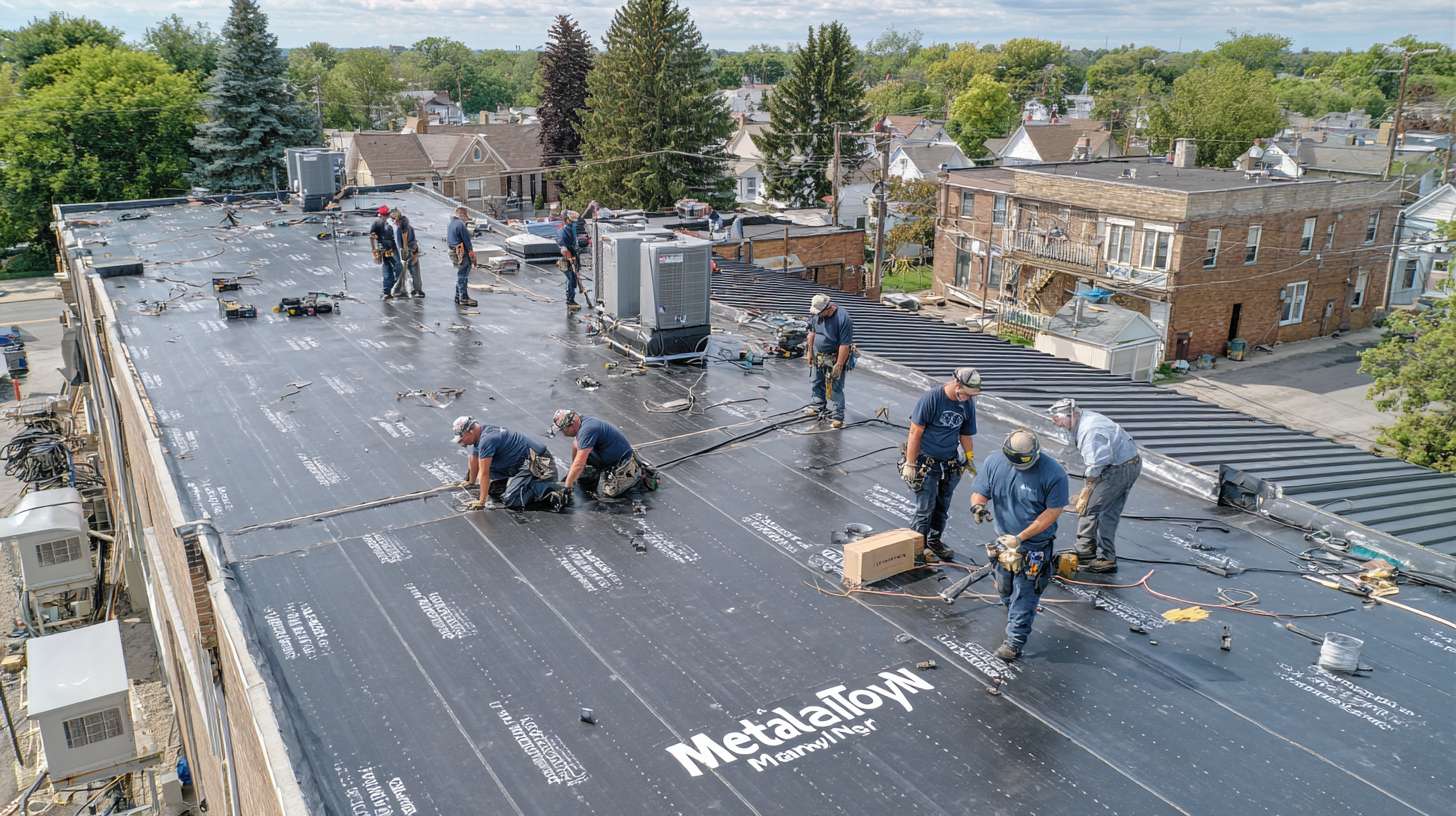
Starting with the top layer: If the existing roof is rubber (EPDM, TPO, or PVC), we’re typically cutting it into manageable strips-four to six feet wide-and rolling it as we peel. Rubber membranes are usually mechanically attached or adhered, so we’re working a flat shovel or pry bar underneath, releasing fasteners or breaking adhesive bonds as we go. The key is cutting only through the membrane, not into the deck or underlying layers. I’ve seen contractors gouge plywood decks badly because they set circular saw depth wrong or rushed with a hooked blade.
If there’s a second layer underneath-and there often is-we repeat the process. Modified bitumen and built-up roofs (BUR) are heavier, stickier, and harder to separate from the deck. Hot-applied tar and asphalt create bonds that have been baking and re-softening for decades. We use roofing scrapers, spade shovels, and sometimes a torch (carefully) to soften adhesive just enough to release the membrane without scorching the deck. This is slow, hot, physical work-on a 900-square-foot garage in Massapequa, removing two layers of torch-down and the original BUR took a two-man crew eight hours, produced 4.5 tons of debris, and left us filthy with tar and dust.
As each layer comes off, we’re inspecting between layers for trapped moisture. Dark staining, black mold, or damp insulation between the old roofs tells us water has been sitting there for years. That moisture has usually migrated down into the deck, so we’re marking problem areas and checking deck integrity before we move to the next section.
Fastener removal is tedious but essential. Every screw, nail, or fastening plate that held the old roof down has punctured the deck, and many have backed out, rusted, or created voids. We pull every fastener, check the hole for rot or weakness, and fill voids with roof-grade sealant if they’re sound. Loose or damaged deck around fastener holes gets marked for repair.
What We Find Underneath: The Inspection That Determines Your New Roof’s Future
Once the old roofing is completely off, we’re left with bare deck-and this is the moment of truth. Everything we find in the next two hours determines whether the new roof succeeds or fails over the next 20 years.
Deck condition assessment: We walk every square foot, looking and feeling for soft spots, cracks, delamination, rot, and movement. Plywood or OSB decks should be firm with no flex between joists (typically 16 or 24 inches on center). Any section that feels spongy, shows black staining, or has visible layer separation gets marked for replacement. On Nassau County homes built in the ’50s and ’60s, we often find the original deck is board sheathing-1×6 or 1×8 tongue-and-groove planks. If those boards are cupped, cracked, or have gaps wider than a quarter-inch, they need to be overlaid with plywood or replaced entirely.
We’re also checking deck attachment to the structure. Nails that have backed out, rafters or joists that show sag or twist, and perimeter ledgers that have separated from the wall are structural issues that must be corrected before any new roofing goes down. On a Hicksville split-level, we discovered that the entire flat roof section (200 square feet over the entryway) had only been nailed to a 2×6 ledger that was pulling away from the house framing-no joist hangers, no proper attachment. That became a structural carpentry job to sister new joists and install code-compliant connections.
Moisture testing with a pin-type or pinless meter tells us if the deck has trapped moisture even when it looks dry on the surface. Readings above 19% mean the wood is too wet to roof over-we need to let it dry for days (with tarps for rain protection) or replace the wet sections. I’ve had jobs delayed a week because the deck measured 24% moisture content after removal and needed time and airflow to drop below acceptable limits.
| What We Find During Tear-Off | What It Means | Typical Nassau County Cost to Repair |
|---|---|---|
| Soft or spongy deck sections | Water-damaged plywood or OSB; must be cut out and replaced | $380-$640 per 4×8 sheet including labor |
| Separated or delaminated board sheathing | Original 1x boards have deteriorated; overlay with new plywood or replace | $2.80-$4.20 per sq ft installed |
| Sagging or twisted joists | Structural framing problem; joists need sistering or replacement | $420-$780 per joist depending on access |
| Trapped moisture between layers (deck reads >19%) | Deck needs drying time or replacement before new roof installation | Delay of 3-7 days or $350-$620/sheet for wet deck replacement |
| Inadequate slope or ponding depressions | Roof doesn’t drain properly; needs tapered insulation or deck modification | $1.90-$3.60/sq ft for tapered ISO system |
Structural Repairs and Deck Preparation Before New Roofing
Every flat roof removal in Nassau County uncovers at least some repairs-that’s just the reality of tearing into structures that have been exposed to decades of freeze-thaw cycles, summer heat, and coastal moisture. The question isn’t whether you’ll need repairs; it’s how extensive they are and whether your contractor is transparent about them before starting.
Plywood or OSB replacement: When we find sections of damaged deck, we cut out the bad area back to the nearest joist on each side, creating a clean rectangle. New plywood (minimum half-inch CDX, preferably five-eighths for spans over 16 inches) gets fastened with ring-shank nails or screws every six inches along edges and every 12 inches in the field. Seams must fall on joists and be staggered from old seams if we’re doing partial replacement. On a Uniondale garage roof, we replaced seven sheets of plywood (224 square feet) that had soft spots and delamination around the perimeter and center drain area-total cost including material and labor was $2,470.
Framing repairs: If joists or rafters are sagging, twisted, or undersized for the span, we sister new lumber alongside the damaged member, through-bolting them together. Nassau County code requires joists to meet span tables in the residential code, and inspectors will call out undersized framing if you’re pulling a permit. On a Seaford ranch, the flat roof joists were 2x6s spanning nine feet, which is marginal-we sistered 2x8s along the entire run to bring the structure up to current standards, which added $1,680 but meant the roof will support snow loads and the new roofing system properly.
Flashing and edge metal: Part of the tear-off process is removing old, rusted, or improperly installed edge metal, drip edges, and flashing. These get replaced as part of the deck-prep phase, before the new roofing system goes down. Aluminum or steel edge metal runs $3.80-$6.20 per linear foot installed, and on a typical 20-by-30-foot flat roof, that’s about 100 linear feet of perimeter, or $380-$620 just for new edge details.
Proper cleaning and fastener sealing: After repairs, we sweep and blow off the entire deck, removing dust, debris, and loose fasteners. Any protruding nails or screws get pounded flush or removed. Old fastener holes that aren’t being reused get sealed with roof mastic or epoxy filler to prevent air and moisture pathways through the deck. This final cleaning and sealing phase is where we prepare a stable, clean substrate that’s ready to accept primer, adhesive, or the first layer of the new roofing system.
Debris Disposal and Site Cleanup: Handling 2 to 6 Tons of Old Roofing
Here’s what the contract should include and what you should ask about: old flat roofing is heavy and often contains materials that landfills charge premium rates for-especially built-up roofs with tar, modified bitumen, or any system installed before 1980 that might contain asbestos (rare on residential flat roofs, but it happens).
A typical 800- to 1,000-square-foot residential flat roof with two layers of old roofing generates between 2.5 and 5 tons of debris. That requires a 20- or 30-yard dumpster, and in Nassau County, dumpster rental with disposal runs $475-$720 for construction debris, higher if tar or hazardous materials are involved. Your contract should spell out who’s renting the dumpster, how many hauls are included, and what happens if debris exceeds the estimate (which it often does with multi-layer tear-offs).
We load debris in sections as we remove it, keeping the roof and ground clear so we’re not working around piles of old roofing. Rubber membrane gets rolled and cut into manageable bundles. Built-up roofing and torch-down get broken into chunks and loaded-it’s labor-intensive and there’s no shortcut. At the end of each day, tarps are shaken out, the dumpster is covered, and ground protection stays in place until the entire job is done and the new roof is weathertight.
Magnet sweeps of the ground, driveway, and lawn are standard after a flat roof tear-off-nails, screws, and metal fasteners fall or get tracked around, and a strong magnet on a roller picks up ferrous debris that would otherwise puncture tires or hurt pets and kids. It takes 15 minutes and should be non-negotiable in any professional removal contract.
What a Proper Flat Roof Removal Contract Should Include
After two decades of tearing off Nassau County flat roofs, I can tell you the number-one cause of homeowner frustration is contractors who lowball the removal and then hit clients with surprise charges when they find multiple layers, deck damage, or disposal overages. Here’s what should be in writing before any tear-off begins:
- Layer count and removal scope: “Remove existing EPDM membrane and underlying modified bitumen layer, down to existing plywood deck” is specific. “Remove old roof” is not.
- Deck inspection and repair allowance: Contract should include language like “Deck inspection upon removal; repairs priced at $X per sheet of plywood or $Y per linear foot of joist work, with homeowner approval required before proceeding.” If a contractor includes “all necessary repairs” with no dollar limit or approval step, you’re going to get surprised.
- Protection and cleanup plan: Who’s providing ground tarps, dumpster, and daily cleanup? When does magnet sweep happen?
- Disposal details: How many tons or dumpster loads are included? What’s the overage charge per ton?
- Timeline and weather delays: Flat roof removal leaves your structure exposed. Contract should state how quickly the new roof goes on after tear-off and what happens if rain or wind interrupts the job (tarping plan, schedule adjustments).
- Photo documentation: We take photos of what we find under the old roof-damaged deck, improper fastening, trapped moisture-and provide them to the homeowner. That documentation is your record of what was fixed and why.
Red flags to watch for: any contractor who says “we’ll just roof over what’s there” without inspecting for layer count or structural condition is setting you up for premature failure. Any bid that includes removal with no mention of deck condition, repairs, or a process for handling unknowns is a setup for conflict halfway through the job. And any contractor who wants to start tear-off without a dumpster on site or protection plan in place is going to leave you with a mess.
How Long Does Old Flat Roof Removal Take in Nassau County?
This depends on roof size, layer count, access, and what we find underneath. A straightforward single-layer EPDM tear-off on an accessible 600-square-foot garage takes a two-person crew four to six hours. A multi-layer removal on a 1,200-square-foot home section with deck repairs can stretch into two or three full days.
Realistic timeline for a typical Nassau County residential flat roof removal and replacement:
- Day 1: Tear-off old roofing, inspect deck, identify and mark repairs (4-8 hours depending on size and layers)
- Day 2: Structural and deck repairs, edge metal installation, final cleaning and prep (4-6 hours if moderate repairs)
- Day 3: Install new flat roofing system (EPDM, TPO, modified bitumen-depends on system complexity)
Weather delays are common in spring and fall. If rain is forecast within 48 hours of planned tear-off, we reschedule or tarp and pause-leaving a deck exposed to rain invites water damage and mold, and it’s not worth the risk. On a Garden City project last October, we tore off the old roof on a Thursday, found extensive deck repairs needed, and then got hit with two days of rain over the weekend. We tarped the entire roof with weighted poly sheeting, let it dry out Monday and Tuesday, completed repairs Wednesday, and installed the new TPO system Thursday and Friday. Total project stretched from the planned three days to seven working days over two weeks, but the deck stayed dry and the job was done right.
Why the Removal Phase Determines the Success of Your New Flat Roof
Here’s the bottom line: every flat roof failure I’ve been called to inspect in the past five years traces back to one of three problems-water that was trapped in the old system and never dried out, structural deck issues that weren’t identified or repaired during tear-off, or a new roof installed over unstable or damaged substrate because the contractor rushed or skipped the inspection phase.
When you remove an old flat roof correctly-layer by layer, with careful attention to what’s being uncovered, proper deck inspection, and honest communication about what repairs are needed-you’re not just getting rid of worn-out materials. You’re learning what your structure actually looks like under decades of patches and recovers, you’re correcting problems that have been silently damaging your home, and you’re creating a clean, sound, dry foundation that allows the new roofing system to perform the way the manufacturer designed it to.
That’s what Platinum Flat Roofing delivers on every removal in Nassau County: systematic tear-off, transparent inspection and communication, written repair estimates before we proceed, and a clean substrate ready for a long-lasting new roof. We don’t rush, we don’t hide problems, and we don’t leave homeowners surprised by what we found or what it costs to fix it properly. How you remove the old roof determines whether your new roof lasts 15 years or 30-and we treat every tear-off like the foundation of a decades-long investment.