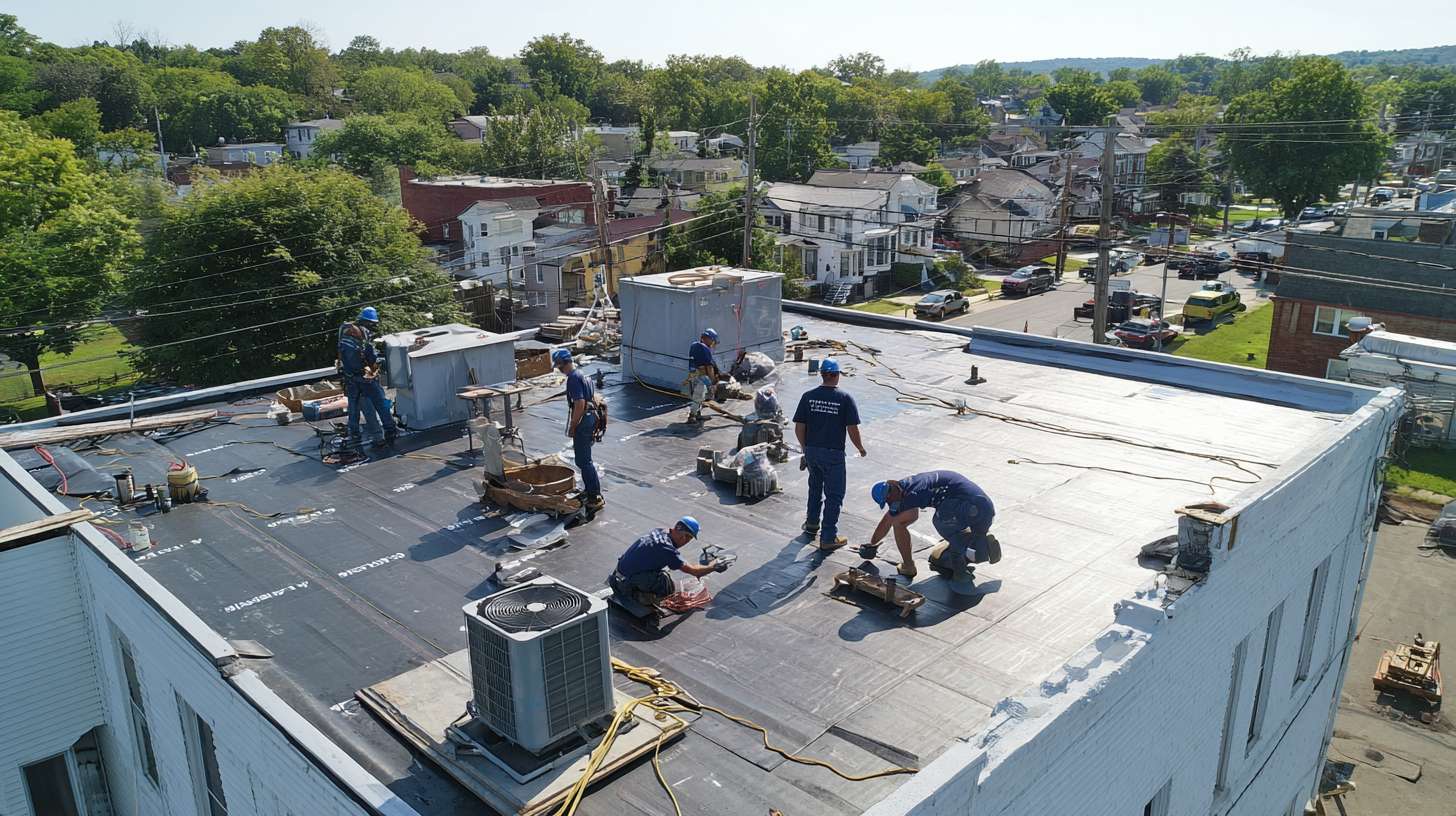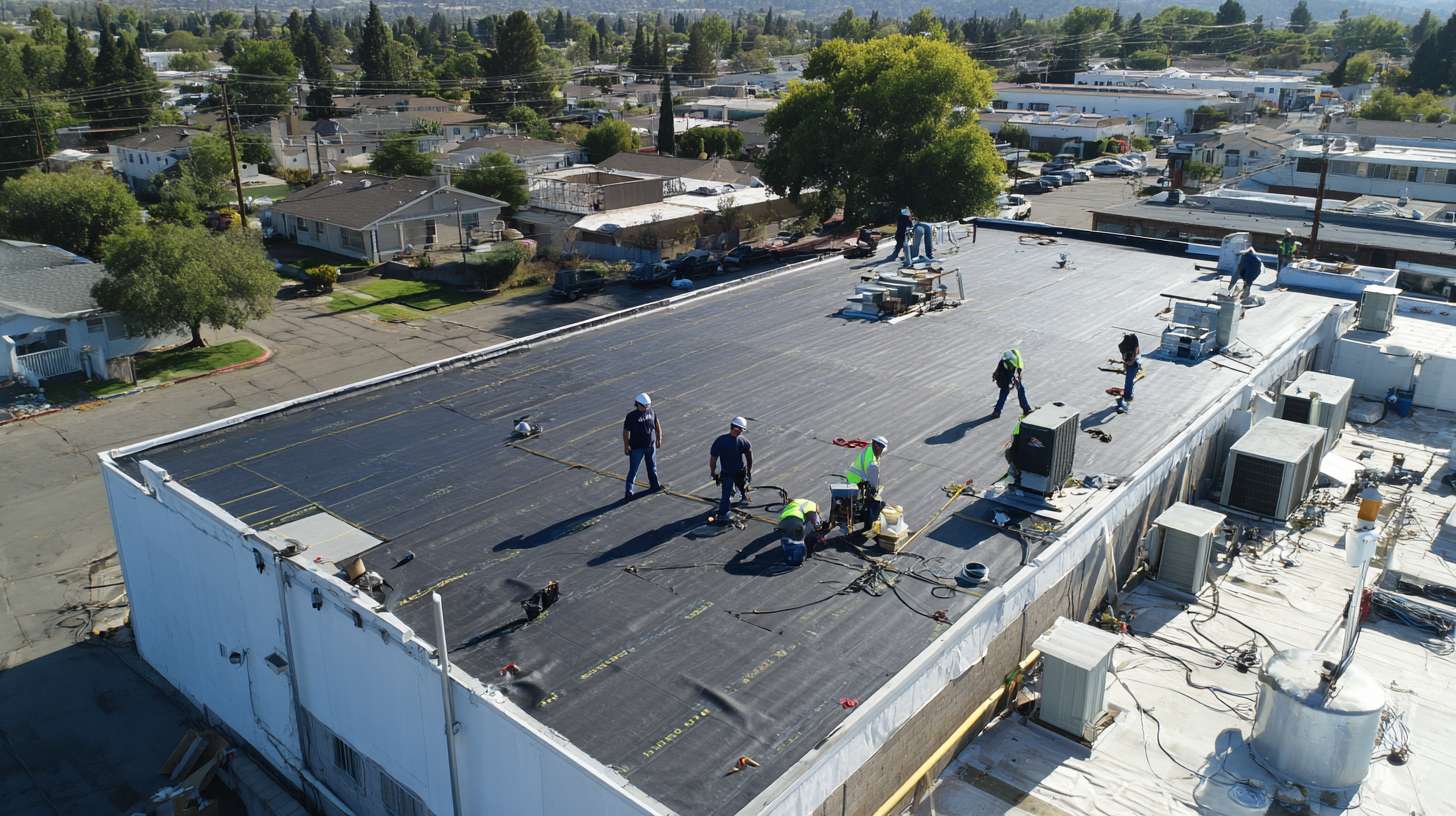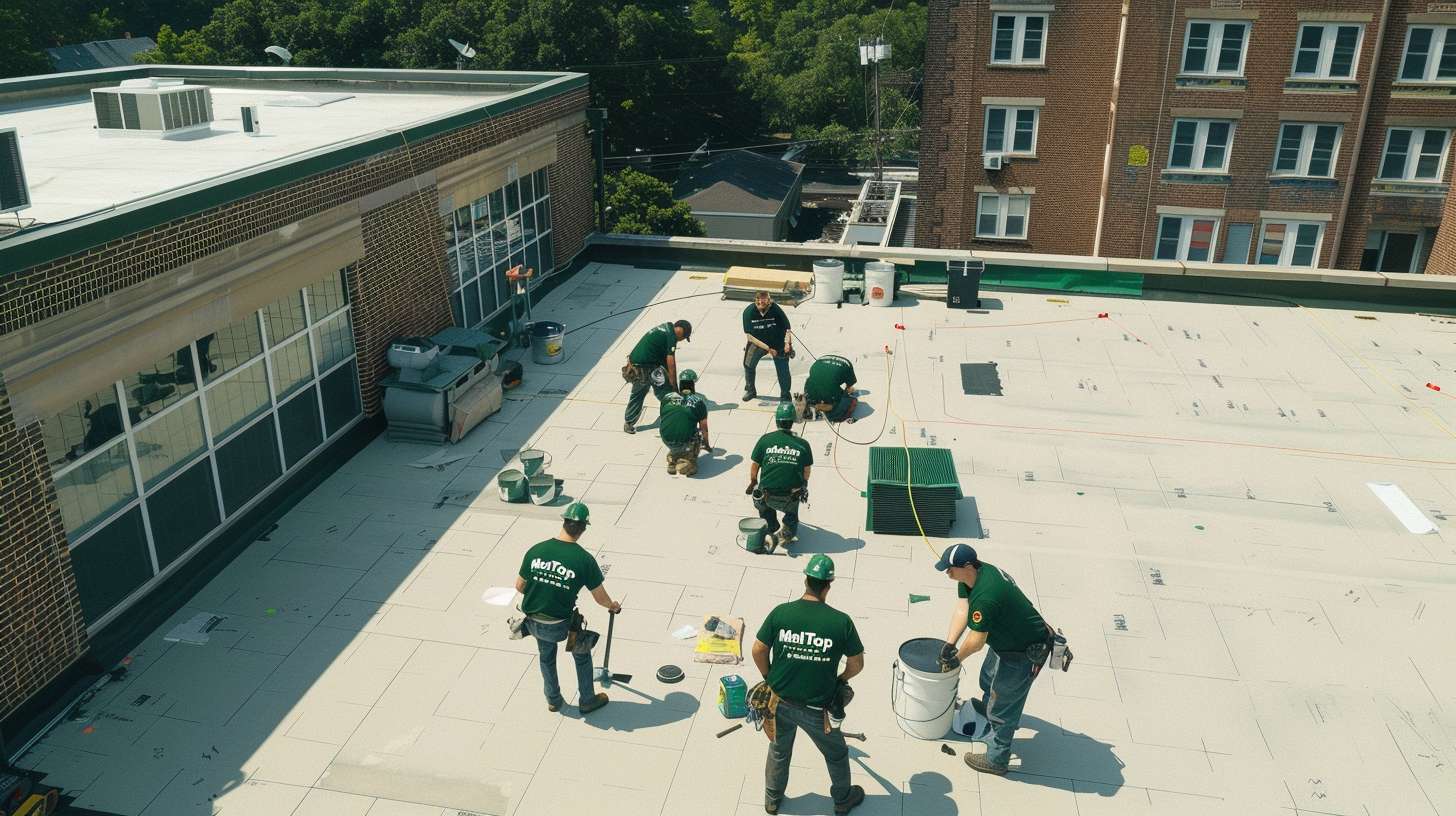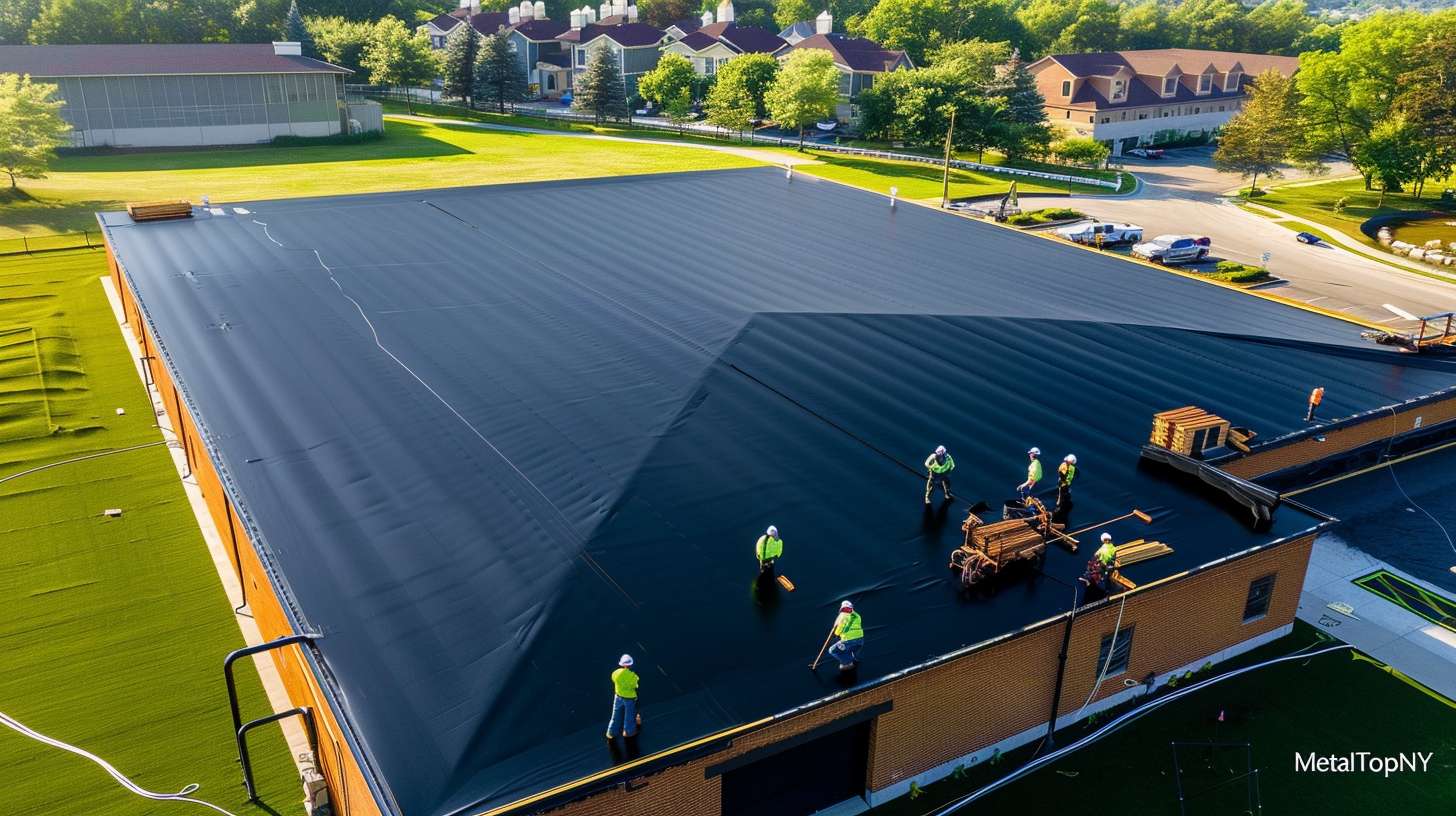
Expert Sealing Rubber Flat Roofs in Nassau County, NY
Sealing a rubber flat roof the right way in Nassau County costs between $2.20 and $4.85 per square foot for a professional reseal, depending on whether you need full seam replacement, flashing work, and an EPDM-compatible coating. Most residential flat roofs here run 400-900 square feet, putting a typical comprehensive reseal project in the $1,100-$4,400 range.
Here’s the problem: every summer I get calls from homeowners who grabbed a bucket of “rubberized roof sealer” from the big-box store, rolled it over their aging EPDM membrane, and within six months-usually after the first hard freeze-watched it peel off in sheets. They didn’t know that EPDM (ethylene propylene diene monomer, what we call rubber roofing) doesn’t bond with most generic sealers, silicone coatings, or asphalt products. Those materials sit on the surface, trap moisture underneath, and fail exactly when our Long Island freeze-thaw cycles hit hardest. Sealing a flat rubber roof isn’t about painting it with something waterproof. It’s about rejuvenating the seams, flashings, and penetrations with EPDM-compatible primers, tapes, and-only when the situation warrants it-a proper elastomeric coating designed to bond with rubber membranes.
I’ve spent nineteen years installing, repairing, and resealing EPDM roofs across Nassau County, and what separates a successful rubber roof reseal from a money-wasting disaster comes down to chemistry, surface preparation, and knowing when your membrane is still worth sealing versus needing replacement. Let me walk you through how this actually works.
Understanding When a Rubber Flat Roof Needs Sealing
On a 15-year-old EPDM roof in Massapequa that was chalky but still solid, the homeowner called me because she’d noticed water staining on her garage ceiling after heavy rains. The membrane itself was intact-no cracks, no punctures-but every seam along the perimeter had pulled loose by a quarter-inch, and the pipe boot flashing around the plumbing vent was completely separated. That’s the typical scenario for rubber roof sealing: the membrane has years left, but the attachment points are failing.
EPDM roofs typically last 20-30 years, but the seams, edges, and flashings often start showing problems around year 10-15. You’ll see white chalking on the surface (that’s oxidation, which is normal), small gaps opening along seam lines where the tape has lost adhesion, and flashing that’s pulled away from walls or penetrations. None of these mean your roof is done-they mean it needs resealing before water finds those gaps.
Walk your roof and look for these specific signs:
- Seam gaps: EPDM seams are joined with tape (or sometimes liquid adhesive). If you can slip a business card under the seam edge, it’s failing.
- Flashing separation: Check where the rubber meets walls, curbs, vents, or edges. Any visible gap or curling means water can get under.
- Ponding areas: If water sits for more than 48 hours after rain, those low spots accelerate seam failure and need drainage fixes during your reseal.
- Surface cracking: This is different from chalking. If you see actual cracks-especially spiderweb patterns-the membrane itself is degrading and may be past the point where sealing helps.
If your rubber membrane has widespread cracking, large tears, or feels brittle when you flex it, you’re looking at replacement, not resealing. But if the rubber is still flexible, the damage is confined to seams and edges, and the substrate beneath isn’t rotted, a proper reseal can buy you another 8-12 years.
The Right Way to Seal EPDM: It Starts With Cleaning
Here’s where most DIY attempts and cheap contractors fail: they skip the cleaning step or do it wrong. EPDM oxidizes over time-that chalky white or gray film you see on older rubber roofs. It’s a layer of degraded rubber particles, and nothing will bond to it. If you seal over chalk, you’re gluing to dust.
On that Massapequa garage roof, we spent the first two hours on cleaning alone. We used a specialized EPDM cleaner (not dish soap, not bleach-those can leave residues that block adhesion) and stiff-bristle brushes to scrub every seam area, flashing zone, and penetration. The goal is to get back to the original black or dark gray rubber surface. You rinse thoroughly, then wait for complete drying-in Nassau County’s humidity, that can mean 4-6 hours even on a sunny day if you don’t use blowers.
For ponding areas or roofs with heavy dirt buildup, we pressure-wash first at low PSI (under 1,200) to avoid damaging the membrane, then follow with the chemical cleaner. Some roofs need a second cleaning pass if the chalk is thick. This isn’t optional. EPDM primer and tape adhesives are formulated to bond with clean rubber, and they won’t grab onto oxidized surfaces.
Resealing Seams: Primer, Tape, and Cure Time
Once the surface is clean and dry, seam resealing follows a specific sequence. Most EPDM seams were originally installed with either peel-and-stick seam tape or liquid lap sealant. Over time, both can fail-the tape loses tack, or the sealant shrinks and pulls away. Resealing means removing the old material (if it’s loose), priming both surfaces, and applying new EPDM seam tape.
The key product here is EPDM primer. It’s a solvent-based liquid that chemically prepares the rubber surface to accept the tape adhesive. You brush it onto both sides of the seam-the base membrane and the overlapping piece-and let it flash off (dry to the touch but still tacky, usually 3-5 minutes in our summer weather, longer in cool or damp conditions). If you apply tape to wet primer or to rubber that wasn’t primed, the bond will fail within a year.
We use 3-inch or 4-inch EPDM seam tape for most joints. You peel the backing, press the tape onto the primed lower surface, then fold the top membrane down and roll it aggressively with a hand roller to eliminate air bubbles and ensure full contact. The rolling step is critical-I’ve seen contractors just press the seam down with their hands, and those seams leak within the first winter because trapped air leaves gaps.
For corners, pipe penetrations, and complex shapes, we cut and overlap tape pieces, always ensuring at least a 1-inch overlap and priming every bonding surface. At roof edges where the EPDM terminates into a metal drip edge or fascia, we use termination bar if it wasn’t originally installed, or reseal the existing bar with EPDM-compatible lap sealant (not silicone, not asphalt).
Flashing Work: Where Most Water Enters
I can’t overstate this: flashings fail before seams on most rubber roofs. Every wall where the EPDM runs up vertical surfaces, every vent pipe, every skylight curb-these are the first places water sneaks in when adhesion degrades.
On a Garden City flat roof over a sunroom, the homeowner had been patching the same corner leak for three years with various caulks and sealers. When we pulled back the rubber flashing at that wall, we found the original termination had never been properly secured-just folded up and held with a bead of caulk that had long since failed. We stripped it back, installed a proper termination bar with mechanical fasteners into the wall blocking, then sealed the top edge with EPDM-compatible flashing sealant and covered the entire run with a 6-inch-wide uncured EPDM flashing strip, primed and rolled. That’s how flashing is supposed to work: mechanical attachment plus chemical seal.
For pipe boots and vent penetrations, we remove old boots that have cracked (rubber pipe boots typically fail before the main membrane), install new EPDM or high-quality neoprene boots, then seal the base flange with primer and seam tape. If the penetration is square (like a curb or small vent), we fabricate custom flashing pieces from uncured EPDM, overlapping each side and sealing every joint.
One detail that separates professional work: we always extend flashing at least 4 inches beyond the repair area. If you’re fixing a 2-inch gap, your flashing patch should cover 10-12 inches to ensure you’re bonding to sound, clean rubber on all sides.
When to Apply an EPDM-Compatible Coating
After seams and flashings are resealed, some roofs benefit from a topcoat, and some don’t. This is where a lot of contractors oversell, because coatings are profitable and easy to apply. But here’s the truth: if your EPDM membrane is in good shape, freshly sealed, and you’re not dealing with severe ponding or UV exposure issues, you don’t need a coating. The sealed rubber will perform fine.
Coatings make sense in these situations:
- Severe surface oxidation: If the rubber is heavily chalked across large areas (not just seams), an acrylic or silicone coating formulated for EPDM can protect the degraded surface and extend life. But only after thorough cleaning and priming.
- Ponding water zones: Standing water accelerates rubber breakdown. A white reflective coating in chronic ponding areas can slow that process, though fixing the drainage is always better.
- Color change for energy savings: Black EPDM absorbs heat. A white elastomeric coating can drop surface temperatures by 30-40°F in summer, reducing cooling loads for the space below. This matters more for occupied spaces than detached garages.
The critical word is EPDM-compatible. You cannot use standard acrylic roof coatings, silicone designed for metal or TPO, or asphalt-based products. They won’t bond. Manufacturers like Coating Solutions, Karnak, and Henry make acrylic and silicone coatings specifically tested for EPDM adhesion. These products require an EPDM primer coat first (yes, even though they’re “compatible”) and usually two finish coats for proper mil thickness.
On a Valley Stream commercial garage with a 12-year-old EPDM roof that we resealed, the owner opted for a white acrylic coating because the building houses temperature-sensitive equipment. We cleaned, resealed every seam and flashing, applied EPDM primer to the entire surface, then rolled on two coats of acrylic at the manufacturer’s specified coverage rate (about 1 gallon per 50 square feet per coat). That roof has been leak-free and significantly cooler for four years now. But without the seam and flashing work first, the coating would have been a waste-pretty surface over failing attachment points.
DIY vs. Professional: What You Can and Can’t Do
I’ll be straight: cleaning and resealing small, accessible flat rubber roofs is within DIY reach if you follow the chemistry rules and buy the right products. A homeowner with basic skills can handle a 200-square-foot garage roof with simple geometry. You’ll need EPDM cleaner, EPDM primer, seam tape, a hand roller, and patience for each product’s cure time.
What makes it difficult:
- Product knowledge: Big-box stores don’t carry EPDM-specific primers and tapes. You’re ordering from roofing supply houses, and you need to know exactly what you’re asking for.
- Surface prep: Most DIYers underestimate how much scrubbing is required to remove oxidation. If you’re tired after 20 minutes and the roof still looks chalky, you’re not done.
- Weather windows: EPDM products have temperature and moisture limits. Most primers and tapes won’t cure properly below 40°F or in damp conditions. In Nassau County, that rules out late fall through early spring for DIY work.
- Scale: Resealing a 700-square-foot roof with multiple penetrations, walls, and curbs involves hundreds of linear feet of seam work and dozens of flashing details. Even experienced crews take 2-3 days on complex jobs.
Where you should absolutely hire a pro: any roof over 400 square feet, roofs with significant slope or parapet walls, jobs requiring flashing fabrication, and any situation where you’re not 100% confident about product compatibility. A bad DIY seal job doesn’t just fail-it can trap water under incompatible materials and accelerate membrane damage, turning a $2,500 reseal into a $12,000 replacement.
What Professional Rubber Roof Sealing Should Include
When you’re getting quotes for rubber flat roof sealing in Nassau County, here’s what a legitimate proposal should specify-not generic “seal the roof” language, but actual products and steps:
| Work Item | What to Look For | Red Flags |
|---|---|---|
| Cleaning | Named EPDM cleaner product, mention of oxidation removal, pressure washing if needed | “We’ll clean it with soap” or no cleaning mentioned |
| Seam Resealing | EPDM primer brand, seam tape width (3″ or 4″), mention of hand rolling | “Caulk all seams” or generic “seal seams” |
| Flashing Work | Specific penetrations identified (pipe boots, walls, edges), termination bar if needed, uncured EPDM patches | “Touch up flashings” or “apply sealant around edges” |
| Coating (if included) | EPDM-compatible coating brand, primer coat mentioned, two topcoats at specified mil thickness | “Universal roof coating” or “works on any roof type” |
| Warranty | Labor warranty (2-5 years), material warranty from manufacturer (varies by product) | “Lifetime warranty” on reseal work (unrealistic) |
Pricing should break out cleaning, seam/flashing work, and coating separately so you understand what you’re paying for. A contractor who quotes “$3,800 to seal your rubber roof” without itemization is either inexperienced or hoping you won’t ask questions.
Common Mistakes That Void Your Work
Over nineteen years, I’ve been called to fix more bad sealing jobs than I can count. The same errors appear over and over:
Using silicone or polyurethane caulk on EPDM seams. These products don’t bond to rubber. They sit on top, water gets under them, and they peel off. I’ve seen homeowners run bead after bead of silicone along seams, creating a ridge that actually channels water into the gaps beneath.
Applying products in wrong temperatures. A contractor resealed a Westbury flat roof in November when overnight temps were hitting 35°F. The primer never cured properly, the tape never achieved full bond, and by spring every seam was leaking. EPDM chemistry requires warmth-most products specify minimum 40-50°F and rising temperatures.
No primer, or wrong primer. Some contractors use generic contact cement or “universal” primers because they’re cheaper. EPDM primer is formulated with specific solvents that prepare the rubber surface. Substitutes don’t work. Period.
Coating over dirty rubber. This is the most common. A roof gets a coating applied over oxidized, uncleaned EPDM, and within months the entire coating is peeling off in sheets, taking more of the degraded rubber surface with it. Now you need more aggressive repairs than if you’d done nothing.
Ignoring drainage issues. Resealing a roof that ponds water without addressing the low spots is like bailing a boat without fixing the hole. The standing water will outlast your new seals. Proper reseal projects include minor slope corrections with tapered insulation or additional drain points if ponding is chronic.
Maintenance After Resealing
A properly resealed rubber flat roof in Nassau County needs minimal maintenance, but “minimal” isn’t “zero.” Twice a year-spring and fall-you should inspect seams and flashings for any new separation, clear debris from drains and edges (leaves and pine needles are the main culprits here), and check for new ponding areas after heavy rain.
If you had a coating applied, expect to recoat high-traffic or ponding zones every 4-6 years. The coating will wear first in those spots, but the resealed membrane underneath will still be intact. That recoat is a simple cleaning and one or two new coats of the same product-not a full reseal project.
Keep foot traffic to minimum. EPDM tolerates occasional walking for maintenance, but repeated traffic over the same paths will abrade the surface and stress seam areas. If you need regular roof access, consider walkway pads in those zones.
When Resealing Doesn’t Make Sense
Not every aging rubber roof is a candidate for resealing. If your EPDM shows widespread cracking (more than 15-20% of the surface area), has large tears or punctures, or the substrate underneath (plywood, insulation) is wet or degraded, you’re throwing money at a roof that needs replacement.
I turned down a reseal job in Hicksville last fall because the 22-year-old EPDM was brittle across 40% of its surface, with multiple spider-crack areas. The homeowner wanted to “just seal it” to save money, but I showed him how flexing those cracked sections caused more cracking-the rubber had lost its elasticity. We replaced that roof instead. He spent more upfront but avoided the cycle of failed patches and leak calls that would have eaten up the savings and still required replacement within two years.
Age alone isn’t disqualifying-I’ve successfully resealed 18-year-old EPDM roofs that were installed correctly and maintained decently. But if the membrane is failing globally rather than at attachment points, resealing is just expensive delay.
Why EPDM Resealing Works Long-Term
When done right, resealing a rubber flat roof essentially resets the clock on all the failure-prone attachment points while leaving the still-sound membrane intact. The base rubber-assuming it hasn’t cracked or degraded-can easily outlast the original seams, flashings, and edge terminations. By replacing those vulnerable elements with fresh, properly applied materials, you’re giving the roof system the most common causes of failure removed.
EPDM is a forgiving material in one key way: unlike modified bitumen or TPO, you can work on it repeatedly. Overlapping seals, adding flashing layers, and even coating it years later are all viable because the rubber itself doesn’t break down from those interventions. That’s why a professional reseal on a 12-year-old EPDM roof can deliver another decade of service for a third the cost of replacement.
At Platinum Flat Roofing, we approach every EPDM resealing project the way manufacturers train their certified installers: the right products, the right surface prep, and the right sequence of steps. We don’t cut corners on cleaning or primer, we don’t use “universal” anything, and we don’t coat over problems. If your rubber flat roof in Nassau County is showing age but isn’t shot, resealing it properly is one of the smartest investments you can make. Done wrong, it’s wasted money. Done right, it’s a roof system renewal that keeps you dry and leak-free while the neighbors are tearing off and replacing. That’s the difference chemistry and technique make.